Nandapur: The National Commission for Protection of Child Rights (NCPCR) has expressed serious concern over the lack of dining halls in 190 educational institutions and 63 student hostels in Nandapur block of Koraput district. NCPCR Registrar Rajesh Kumar Singh has directed the Koraput District Collector and the state Education Secretary to take urgent steps to address the issue.
The commission invoked provisions of the CPCR Act, 2005, the Right to Education Act, 2009, POCSO Act, 2012, and Juvenile Justice Act, 2015, emphasising the need for safe and hygienic dining spaces for students.


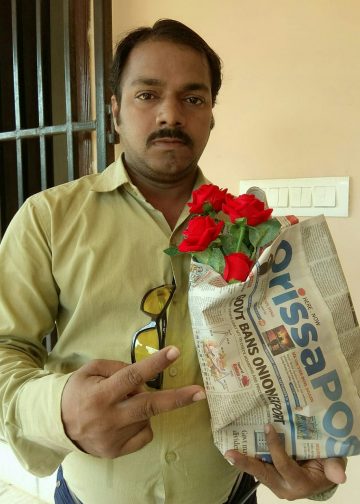
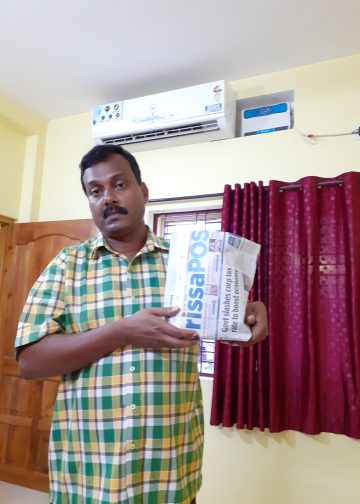
According to reports, students have been forced to eat midday meals and other nutritional supplements in corridors, verandas, and even in the open, holding umbrellas during rain due to the absence of proper dining facilities. The matter came to light following a report published in the Orissa POST daily July 8 this year.
Also Read: CBSE asks schools to set up ‘sugar boards’ to monitor students’ sugar intake
Local social worker and lawyer Anup Patra subsequently filed a formal complaint to the NCPCR, highlighting the unsafe and undignified conditions under which students consume their meals. Taking cognisance, the NCPCR issued directives under Section 13 and 14 of the CPCR Act, asking for immediate construction of dining halls in all affected institutions — including 190 schools under the Education department, 18 under the ST & SC Development department, and 45 student hostels in Nandapur block.
Following the notice, Nandapur block Welfare Extension Officer Nagen Tripathy confirmed that a dining hall has already been constructed with support from ITDA at Marada Sevashram School within seven days of the media report. Tripathy also stated that a resolution to build dining halls in all remaining institutions has been passed in the recent District PLC (Project Level Committee) meeting. Residents, parents, educationists, and activists have lauded the initiative and the timely intervention by both the NCPCR and Anup Patra, calling it a critical step towards improving student welfare and upholding children’s rights in tribal region.