Odisha News, Odisha Latest news, Odisha Daily - OrissaPOST
  • Home
  • Trending
  • State
  • Metro
  • National
  • International
  • Business
  • Feature
  • Entertainment
  • Sports
  • More..
    • Odisha Special
    • Editorial
    • Opinion
    • Careers
    • Sci-Tech
    • Timeout
    • Horoscope
    • Today’s Pic
  • Video
  • Epaper
  • News in Odia
  • Home
  • Trending
  • State
  • Metro
  • National
  • International
  • Business
  • Feature
  • Entertainment
  • Sports
  • More..
    • Odisha Special
    • Editorial
    • Opinion
    • Careers
    • Sci-Tech
    • Timeout
    • Horoscope
    • Today’s Pic
  • Video
  • Epaper
  • News in Odia
No Result
View All Result
OrissaPOST - Odisha Latest news, English Daily -
No Result
View All Result

How the Afghan war is taking a toll on kids

AFP
Updated: August 15th, 2019, 21:15 IST
in Feature
0
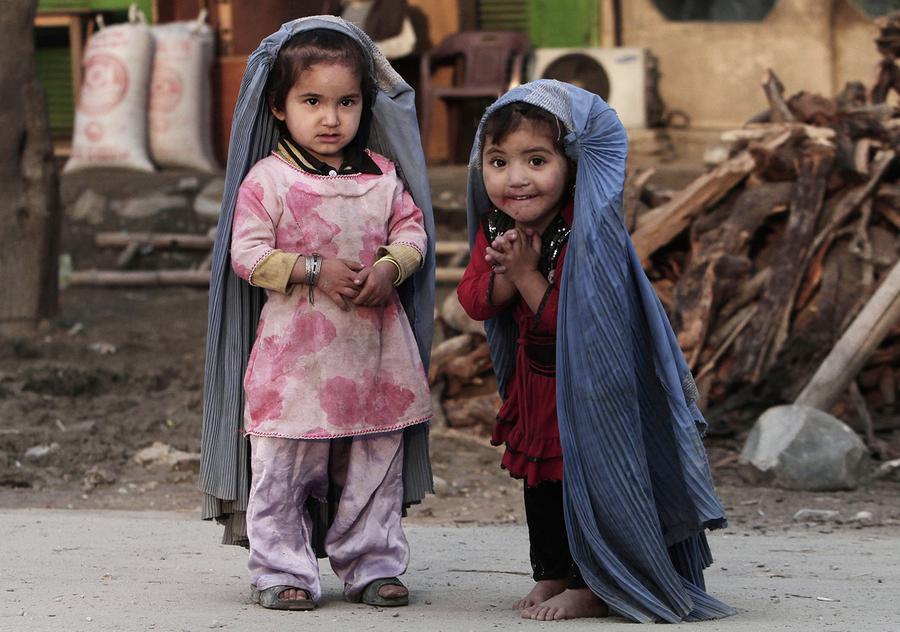
The US and Taliban claim progress in ongoing peace talks, but little has changed for Afghans, and recent attacks underscore how children remain as vulnerable as ever in the grinding conflict.

The US and Taliban claim progress in ongoing peace talks, but little has changed for Afghans, and recent attacks underscore how children remain as vulnerable as ever in the grinding conflict.

Share on FacebookShare on TwitterShare on WhatsAppShare on Linkedin

Kabul: Sixteen-year-old Madina still has nightmares about the day two huge blasts tore through her school in Kabul, showering shards of broken window glass on her and other students.

She survived, with lacerations to her arms and legs. The physical wounds are slowly healing, but she remains haunted by the stress of the attack.


Also Read

Viral video

Watch: Northeast IPS officer’s powerful reply to Americans goes viral

1 day ago
Viral video

Viral video: Child’s quiet sleep at father’s feet reveals life’s heartbreaking reality

1 day ago

Madina, like many of her generation in Afghanistan, has never known peace and experts warn the psychological impact of living in a country where schools are often on the front line, and counselling is in short supply, can be overwhelming.

“It was a scary day. I still have nightmares, I cannot focus, it was very hard to prepare for exams,” Madina recalled.

She had to take her maths exam in the corridor at her shattered school as many classrooms have been left unusable.

The US and Taliban claim progress in ongoing peace talks, but little has changed for Afghans, and recent attacks underscore how children remain as vulnerable as ever in the grinding conflict.

A UN tally found last year was the deadliest on record, with at least 3,804 civilian deaths caused by the war — including 927 children. And in the first six months of 2019, children accounted for nearly one-third of civilian casualties.

“In the first few days after the attack, you could see the trauma on students’ faces, they would cry every minute,” Madina’s school director Niamatullah Hamdard said.

According to the United Nations Children’s Fund (UNICEF), the number of attacks against Afghan schools tripled last year compared to 2017. By the end of 2018, more than 1,000 Afghan schools had been shut due to conflict, denying about 500,000 Afghan kids access to education.

In the arid Deh Bala district of Nangarhar province in eastern Afghanistan, the Papen high school has been reduced to rubble amid fighting between government forces and the Islamic State group.

Kids sit on a rug outside for a class, frowning as a reporter approaches. Some of them have witnessed IS fighters beheading locals.

“When the students go to sleep at night, they dream about Daesh and they are haunted by these atrocities,” school director Muhamad Wali said, using the local name for IS. “They scream in their sleep, and when they come here they are so stressed out.”

Omar Ghorzang, a school district official, said the stress takes a huge toll.

“When the teachers are talking to them, the kids talk among themselves and do bizarre things. They cannot pay attention”, Ghorzang said.

Amir Gul, aged about 15, said he and his Papen classmates are constantly anxious.

“We are always afraid a bomb might go off. Everyone is scared and no one can study,” he said.

Psychotherapist Bethan McEvoy, who works as an education advisor for the Norwegian Refugee Council in Kabul, said it can be tough to assess the prevalence of mental illness and emotional trauma resulting from school attacks.

That’s because symptoms of psychological trauma often manifest only after the shock has subsided — and in Afghanistan, people can spend years living through one stressful event after another.

“When we experience a high-stress event, there’s a natural response in our body that turns into a survival response,” she said. “When people are in a state of constant fear … then it’s very difficult to turn that response off.”

How people are impacted in the long term depends on many factors including their background, family relations and support networks.

“If a school has something in place to provide that kind of support to the child then it can actually be very helpful,” McEvoy said, noting that more can be done to provide services in Afghanistan.

At the Kabul school, much of the debris had been cleared, but twisted metal poked through a collapsed roof and the crunch of broken glass could still be felt underfoot in areas away from where the kids play.

Days after the Kabul attack, a Taliban car bomb targeted a government intelligence centre in the eastern city of Ghazni. The blast also hit a nearby school, wounding dozens of children.

Barely a day goes by without reports of children or families being killed or wounded.

It is not just insurgent groups responsible for the killing.

A recent Pentagon report found US forces in Afghanistan caused 134 civilian casualties in 2018. Of the 76 among them who died, 31 were children.

The UN Assistance Mission in Afghanistan said war explosives account for 84 percent of all child casualties in Afghanistan.

“Physical injuries can pale in comparison to the emotional scars many children may carry with them for years,” Save the Children’s Afghanistan director Onno van Manen said after the Ghazni attack.

Wali, the school director in Nangarghar, said security risks made it hard for aid groups to offer counselling for his students.

But after the attack in Kabul, the ministry of health stepped in for a few days. Madina said the therapy has helped.

She added: “It was useful, but it was too short.”

AFP

Tags: AfghanistanchildrentalibanTerrorism
ShareTweetSendShare
Suggest A Correction

Enter your email to get our daily news in your inbox.

Advertisement


OrissaPOST epaper Sunday POST OrissaPOST epaper

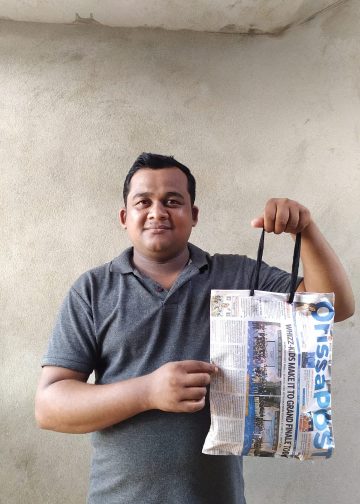
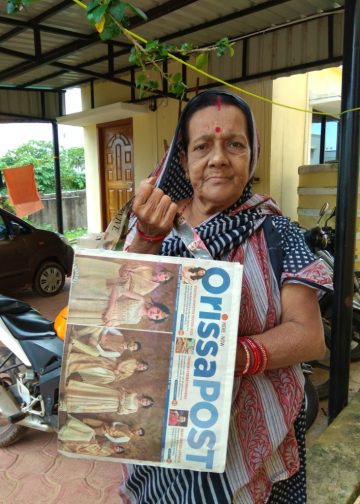
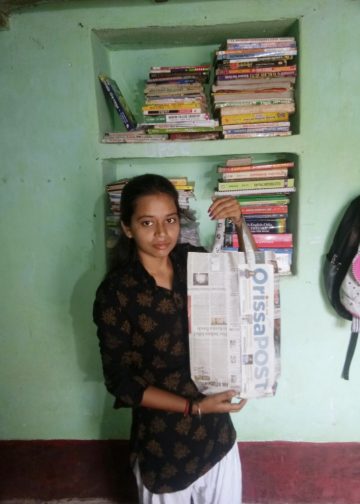
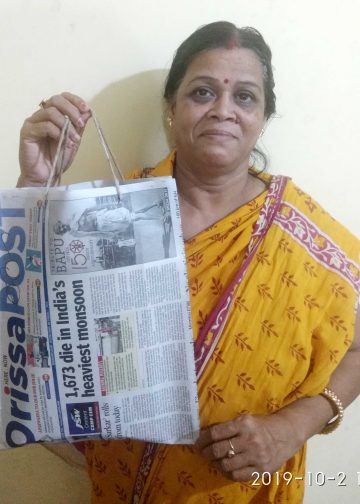
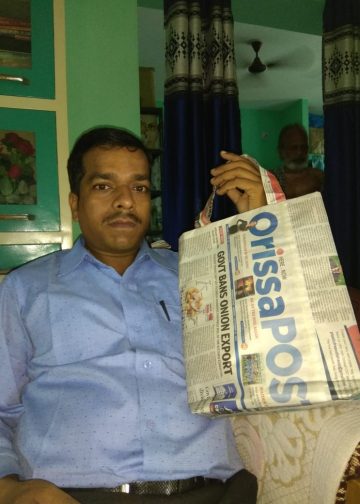
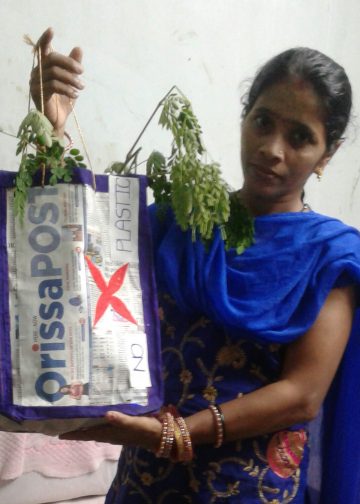
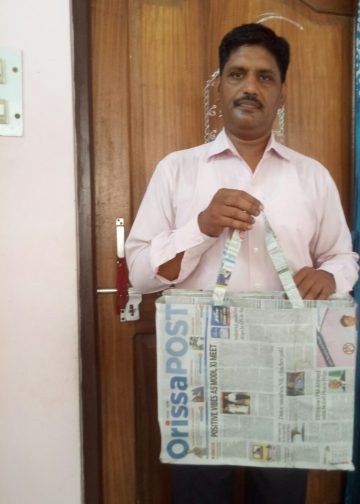
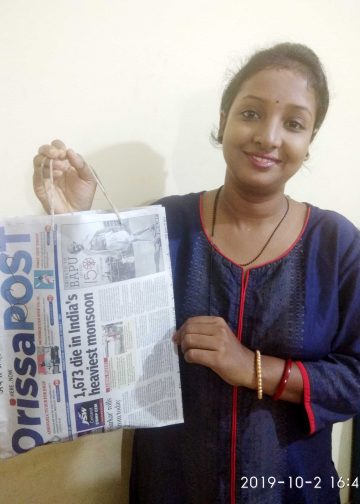
Click Here: Plastic Free Odisha

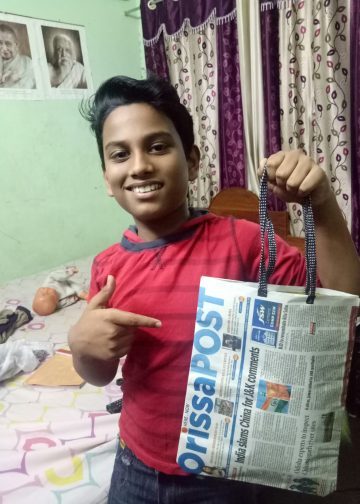
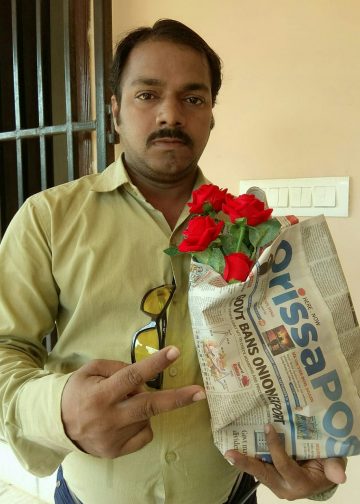
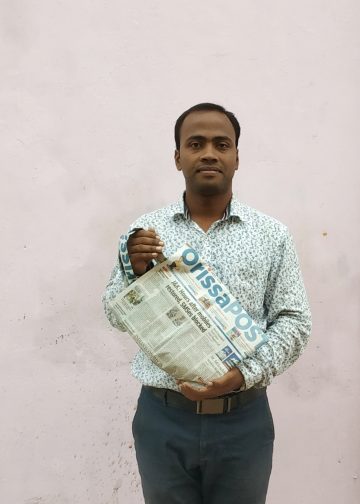
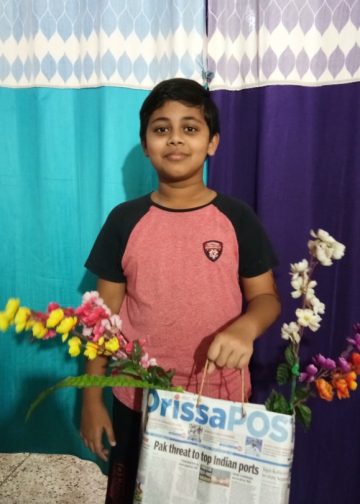
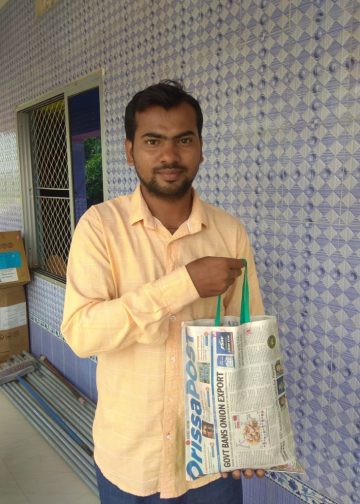
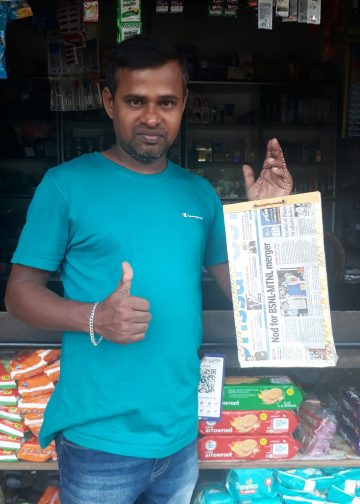
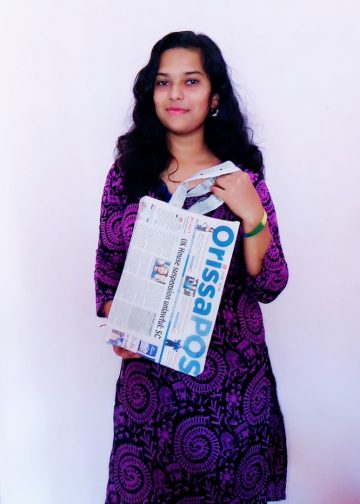
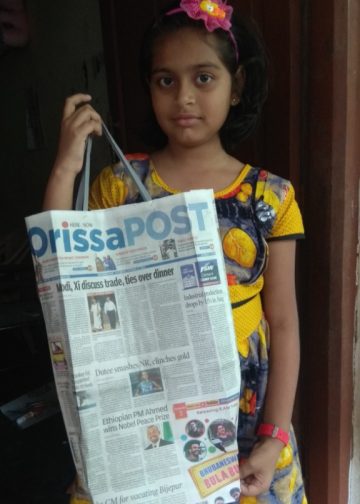
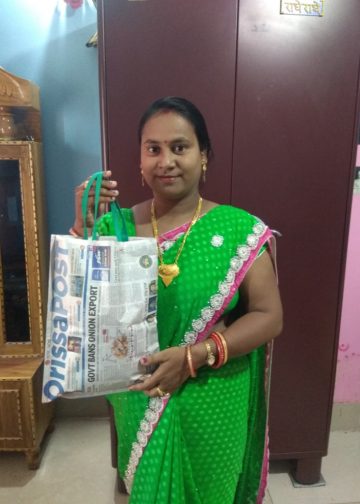
#MyPaperBagChallenge

Priyasha Pradhan

December 12, 2019
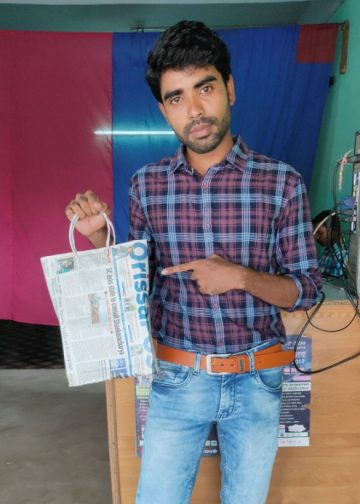
#MyPaperBagChallenge

Vandana Singh

December 12, 2019
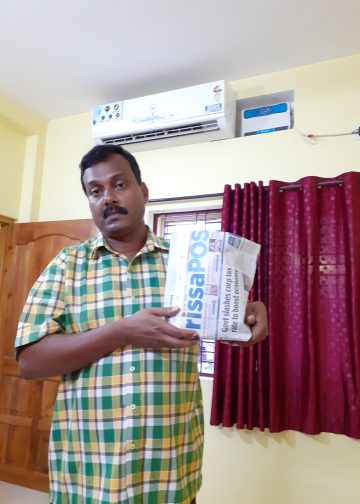
#MyPaperBagChallenge

Ramakanta Sahoo

December 12, 2019
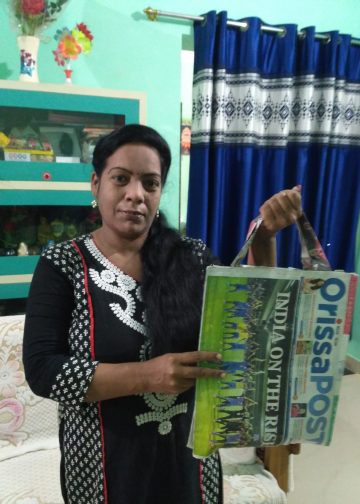
#MyPaperBagChallenge

Ipsita

December 12, 2019
#MyPaperBagChallenge

Pratyasharani Ghibela

December 12, 2019
#MyPaperBagChallenge

Debasis Mohanty

December 12, 2019
#MyPaperBagChallenge

Adrita Bhattacharya

December 12, 2019
#MyPaperBagChallenge

Praptimayee Biswal

December 12, 2019
#MyPaperBagChallenge

Kamana Singh

December 12, 2019
#MyPaperBagChallenge

Anshuman Sahoo

December 12, 2019
#MyPaperBagChallenge

Tapaswini Mallick

December 12, 2019
#MyPaperBagChallenge

Sarfraz Ahmad

December 12, 2019
#MyPaperBagChallenge

Ankita Balabantray

December 12, 2019
#MyPaperBagChallenge

Parbati Mohanty

December 12, 2019
#MyPaperBagChallenge

Anup Mahapatra

December 12, 2019
#MyPaperBagChallenge

Pratik Kumar Ghibela

December 12, 2019
#MyPaperBagChallenge

Narendra Kumar

December 12, 2019
#MyPaperBagChallenge

Mrutyunjaya Behera

December 12, 2019
#MyPaperBagChallenge

Adyasha Priyadarsani Sendha

December 12, 2019
#MyPaperBagChallenge

Swarit Praharaj

December 12, 2019
#MyPaperBagChallenge

Matrumangal Jena

December 12, 2019
#MyPaperBagChallenge

Shreyanshu Bal

December 12, 2019
#MyPaperBagChallenge

Bijswajit Pradhan

December 12, 2019
#MyPaperBagChallenge

Archit Mohapatra

December 12, 2019
#MyPaperBagChallenge

Pitabas Tripathy

December 12, 2019
#MyPaperBagChallenge

Aman Kumar Barisal

December 12, 2019
#MyPaperBagChallenge

Spinoj Pattnaik

December 12, 2019
#MyPaperBagChallenge

Akriti Negi

December 12, 2019
#MyPaperBagChallenge

Manas Samanta

December 12, 2019
#MyPaperBagChallenge

Smitarani Sahoo

December 12, 2019

Archives

Editorial

New Axis Powers

January 7, 2026

Appeasement or tacit approval of invasion and capture of foreign land helped the rise of Adolf Hitler and the formation...

Read moreDetails

New Divide

Rajnath Singh
January 6, 2026

Union Defence Minister Rajnath Singh recently, at a gathering at Udaipur’s Bhupal Nobles’ University, sought to brand the ‘educated’ citizens...

Read moreDetails

Only Energy

Venezuela
January 5, 2026

It was a moment of geopolitical déjà vu. On the same calendar day, separated by thirty-six years, United States forces...

Read moreDetails

Dragon Dominance

Aakar Patel
January 4, 2026

By Aakar Patel One of the more interesting things to look forward to in 2026 is the rivalry between the...

Read moreDetails
  • Home
  • State
  • Metro
  • National
  • International
  • Business
  • Editorial
  • Opinion
  • Sports
  • About Us
  • Advertise
  • Contact Us
  • Jobs
Developed By Ratna Technology

© 2025 All rights Reserved by OrissaPOST

  • News in Odia
  • Orissa POST Epaper
  • Video
  • Home
  • Trending
  • Metro
  • State
  • Odisha Special
  • National
  • International
  • Sports
  • Business
  • Editorial
  • Entertainment
  • Horoscope
  • Careers
  • Feature
  • Today’s Pic
  • Opinion
  • Sci-Tech
  • About Us
  • Contact Us
  • Jobs

© 2025 All rights Reserved by OrissaPOST

    • News in Odia
    • Orissa POST Epaper
    • Video
    • Home
    • Trending
    • Metro
    • State
    • Odisha Special
    • National
    • International
    • Sports
    • Business
    • Editorial
    • Entertainment
    • Horoscope
    • Careers
    • Feature
    • Today’s Pic
    • Opinion
    • Sci-Tech
    • About Us
    • Contact Us
    • Jobs

    © 2025 All rights Reserved by OrissaPOST