US President Donald Trump has pressed the war button again. Tehran too has responded with the same tactic it used till the Memorandum of Understanding (MoU) was signed for a peaceful settlement of the conflict between US-Israel and Iran. The world appears to be fast going back to square one after witnessing a faint light at the end of the tunnel promising return of peace in the Middle East and repair of the global economy ravaged by US-Israel war with Iran.
Bad news is once again pouring in from the Middle East with the US military launching a fresh wave of attacks against Iran amid the escalating standoff over the Strait of Hormuz. Tehran has reasons to complain that the latest strikes “rendered futile” all the diplomatic efforts of the past few months.


The US military resumed its strikes against Iran at night 12 July to what the US Central Command (Centcom) said “continue degrading their (Iran’s) ability to attack civilian mariners and commercial ships freely transiting the Strait of Hormuz.”
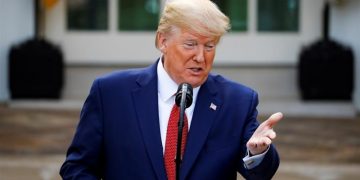
Trump is also back with his rhetoric against Iran which retaliated by attacking nations in the region hosting US military forces. The strikes were the latest in a cycle of attacks and counterattacks as Iran seeks to assert control over shipping through the vital energy route, but the barrage marked an escalation in pace and range.
The renewed violence has cast further doubts over the future of an interim US-Iran truce agreement signed last month. Though the resumed conflict follows the nauseating pattern set by the warring countries, it should not lessen the gravity of the consequences.
Tehran said it had closed the Strait of Hormuz again. It means sufferings due to global disruption in the supply of petroleum, gas and fertilizers would not be eased. The full impact on food production has yet to be felt. The Strait plays a key role in global fertilizer exports. Soaring prices are already forcing farmers to cut back on use of those inputs.
On the other hand, the drying up of remittances from migrant workers in the Gulf is hitting Asian and African countries hard.
Question is why Trump is pushing the Middle East into the vicious cycle of war again after the peace talks. It seems the new turn of events has been influenced by compulsions of the approaching US midterms. The possible impact on Trump’s domestic constituency forced him towards agreeing to the signing of the MoU, even though humming the peace tune may be construed as weakness by die-hard Trump supporters.
All the same, the US had no answer to Iran’s resilience and attacks on its Arab allies. Under present circumstances, President Trump is believed to be adopting a blow hot and blow cold stance vis-à-vis Iran till the midterm polls are over so as to keep Republican supporters in good humour and blunt the Democrat’s charge that he had reneged on his electoral promise of not going to war.
If his party wins, he may revert to his hawkish position, while in case of defeat he could pursue peace overtures with seriousness. This might be the reason for his apparent doublespeak and actions on both war and peace with Iran.
The current resumption of hostilities after a half-hearted attempt at peaceful resolution of the conflict tends to confirm such a policy. The US under Trump has already shown it is not bothered about leading the rest of the world and wants only to ‘Make America Great Again.’
However, he has also shown how weak the US can be as Iran continues to humble the US and Israel combine. For most current political heads of states across the globe, winning elections has become the primary objective. Following that path, most of them are doing unimaginable and irreparable harm to humanity and the world.