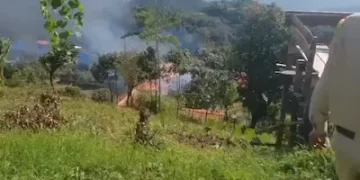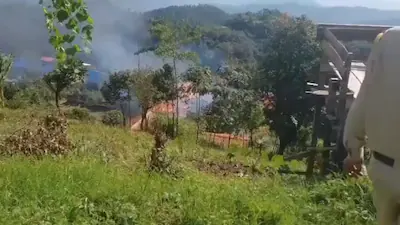
More than three years after ethnic violence erupted in Manipur, there is no let-up in the spiral of killings, displacement, retaliatory attacks and the deepening mistrust between communities with both the state government and the Centre having failed miserably in bringing normalcy to the restive state. In the latest spate of violence, five people belonging to the Kuki tribal community were killed in two separate incidents in 24 hours. The Kukis, a tribal group that lives in the hills, have blamed the latest killings on the Naga tribes. The predominantly Christian Kuki and Naga communities have been engaged in a longstanding dispute over territorial and ethnic claims in Manipur. The recent escalation of violence began in February, following an alleged assault on a Naga man by members of the Kuki community. In May, three Kuki pastors were reportedly killed by Naga armed groups.
The incident sparked a cycle of retaliatory abductions and killings between the two communities. These renewed hostilities have further aggravated the security situation in Manipur, which has already been grappling with an ongoing ethnic conflict between the Kuki and predominantly Hindoo Meitei communities. That conflict, which erupted in May 2023 over disparities in economic opportunities, political representation and access to employment quotas has so far claimed more than 300 lives and displaced over 60,000 people. The BJP-led government in the state must bear responsibility for its inability to rebuild confidence among the warring communities. The growing demand for the removal of Deputy Chief Minister Nemcha Kipgen along with calls for the government to resign reflects the discontent in the larger Manipuri society.
Also Read


Interestingly, former CM Biren Singh who oversaw the Kuki-Meitie ethnic violence since May 2023 and had to resign in February 2025 for his failure to control the violence, in a recent interview has called on the BJP to make efforts to regain the people’s trust. This was the only way to bring normalcy back to the state, the former CM said. The Manipur crisis has also exposed the limitations of the Centre’s security-centric approach to ethnic conflict. The Suspension of Operations (SoO) agreement with Kuki-Zo armed groups, which has now expired and awaits renewal, has become another flashpoint. Tens of thousands of people belonging to the Meitei and Naga communities held a rally in the state capital Imphal 31 October, demanding the SoO’spermanent discontinuation, alleging that the arrangement has failed to prevent violence. In addition, the growing demand for the withdrawal of the Assam Rifles from conflict areas also raises serious questions about the credibility of security arrangements. When communities lose faith in the impartiality of security forces, addressing the underlying grievances becomes all the more important for the government.
The coming together of Naga and Meitei groups in the protests against the SoO has added another dimension to the state’s already fractured society. This development suggests that Manipur’s ethnic fault lines are shifting and creating new alliances that could potentially lead to new conflicts. A conflict that involves multiple communities cannot be resolved through negotiations with one group alone. A comprehensive political dialogue involving Meitei, Kuki, Naga and other communities is the least the governments, both Centre and state, need to do in this hour. The latest killings and mass protests indicate that the situation is only aggravating and the existing approach of both governments is simply not working. In the absence of a peace process that involves all the communities, credible security guarantees and justice for the victims, Manipur is mostly likely to enter another devastating cycle of violence.