Odisha News, Odisha Latest news, Odisha Daily - OrissaPOST
  • Home
  • Trending
  • State
  • Metro
  • National
  • International
  • Business
  • Feature
  • Entertainment
  • Sports
  • More..
    • Odisha Special
    • Editorial
    • Opinion
    • Careers
    • Sci-Tech
    • Timeout
    • Horoscope
    • Today’s Pic
  • Video
  • Epaper
  • News in Odia
  • Home
  • Trending
  • State
  • Metro
  • National
  • International
  • Business
  • Feature
  • Entertainment
  • Sports
  • More..
    • Odisha Special
    • Editorial
    • Opinion
    • Careers
    • Sci-Tech
    • Timeout
    • Horoscope
    • Today’s Pic
  • Video
  • Epaper
  • News in Odia
No Result
View All Result
OrissaPOST - Odisha Latest news, English Daily -
No Result
View All Result

All you need to know about the deadly poison that sickened Navalny, killed many

AP
Updated: September 3rd, 2020, 21:56 IST
in Feature, International
0
Man allegedly poisons rice; wife, brother, son, two daughters hospitalised

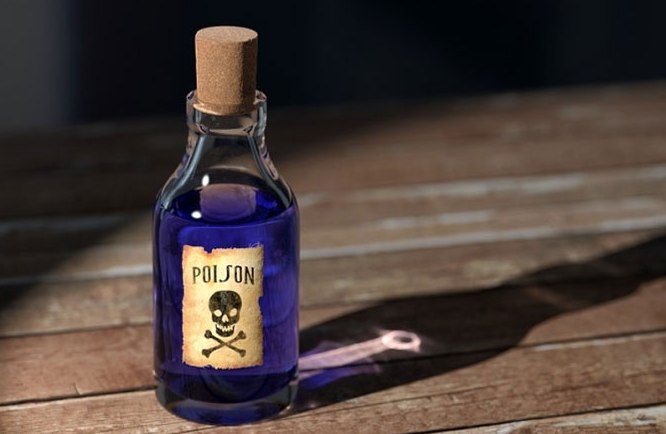
Photo courtesy: pixabay.com

Share on FacebookShare on TwitterShare on WhatsAppShare on Linkedin

Novichok, a deadly nerve agent that has left Russian opposition politician Alexei Navalny in a coma and nearly killed a former Russian spy and his daughter in 2018, was the product of a highly secretive Soviet chemical weapons program. Here is a look at the program and the agent.

Novichok, the nerve agent used in the attack that nearly killed former spy Sergei Skripal and his daughter, Yulia, in the English city of Salisbury March 4, 2018, has been described as much deadlier than any U.S. equivalents.


Also Read

Indian Embassy in Iran

India urges nationals in Iran not to approach land borders without embassy coordination

6 hours ago
Representational Photo

Indonesia inks pact to buy BrahMos missile from India

6 hours ago

Just a few milligrams of the odorless liquid — the weight of a snowflake — are enough to kill a person within minutes. The agent could be diluted to the desired concentration and added to food or drink, or applied to surfaces or clothes.

Scientists say the nerve agent could remain deadly for a long time — even if a few tiny drops are left in a syringe or impregnated into wood or fabric.

In the Salisbury attack, it was sprayed on the front door of Skripal’s house after being smuggled into Britain in a counterfeit Nina Ricci perfume bottle. The Skripals spent weeks in critical condition before recovering, and a local woman died after being exposed to the bottle, which was found by her boyfriend.

Russia fiercely denied British accusations over the Skripals’ poisoning, accusing London and other Western nations of using the incident to fan an anti-Russian campaign. It has followed the same path of denial in this summer’s Navalny poisoning.

German Chancellor Angela Merkel Wednesday called Navalny’s poisoning an attempted murder that aimed to silence one of Putin’s fiercest critics and called for a full investigation, saying “there are very serious questions now that only the Russian government can answer, and must answer.”

Russia, however, has demanded that Germany share its data backing up its conclusion that Navalny was poisoned and has called for a joint investigation effort.

President Vladimir Putin’s spokesman, Dmitry Peskov, insisted Thursday that “there is no reason to accuse the Russian state” over the poisoning.

He said Moscow expects Berlin to provide information that would help a Russian probe into the cause of Navalny’s illness, and that Russia doctors in Siberia, where Navalny was taken after he fell ill on Aug. 20, found no evidence of poisoning.

Sergei Naryshkin, the head of the Russian Foreign Intelligence Service, even claimed it can’t be excluded that Navalny’s poisoning was a provocation of Western intelligence agencies.

The Soviet program to design a new generation of chemical weapons began in the 1970s to counter the latest U.S. chemical weapons.

Soviet leaders wanted the equivalent of U.S. binary weapons — agents made up of relatively harmless components that turn deadly when mixed, making them easier to operate than regular chemical weapons. While Novichok class poisons were highly lethal, the program was only partly successful, as some of the components were as toxic as the military-grade nerve agents.

The Soviet leadership eventually lost interest in chemical weapons. Novichok-class agents only were manufactured in lab quantities. Vladimir Uglev, a top scientist in the program, has estimated about 100 kilograms (220 pounds) were made.

Russian experts who have worked on the Novichok class of agents have warned it may never be possible to determine the nerve agent’s origin.

To determine what specific lab produced a given sample of Novichok, it’s necessary to find an identical specimen from the same batch — an impossible task.

Facing accusations for the Skripals’s poisoning, Russia has charged that the U.S., Britain and other Western countries had acquired the expertise to make the nerve agent and that the Novichok used in that attack could have come from them.

The main Soviet research center that designed the Novichok-class agents was in Shikhany, a town in southwestern Russia. It was one of the “closed cities” isolated by the KGB. The sprawling facility also housed chemical depots and a military firing range, where nerve agents were tested throughout the Cold War.

Some Novichok-related research also was conducted at a main Moscow research center, which shared samples with other labs across the Soviet Union.

Despite the U.S. oversight to dismantle Russia’s chemical arsenals after the Soviet collapse, scientists involved in the program said they couldn’t exclude that some lab workers might have been tempted to sell toxic substances amid the economic and political turmoil in the 1990s.

Moscow said in 2017 it completed the destruction of 40,000 metric tons of chemical weapons left over from the Soviet era, an effort that spanned two decades under close international oversight.

The Novichok-class agents weren’t originally mentioned in the Chemical Weapons Convention, an international document that outlawed chemical weapons.

Last year, however, they were added to the list of chemicals that require special verification.

(AP) 

Tags: Alexei NavalnyChemical weaponPoisonRussia
ShareTweetSendShare
Suggest A Correction

Enter your email to get our daily news in your inbox.


OrissaPOST epaper Sunday POST OrissaPOST epaper

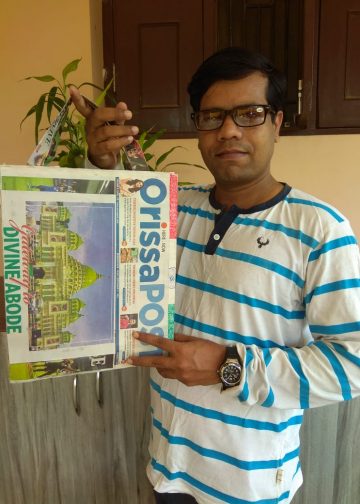
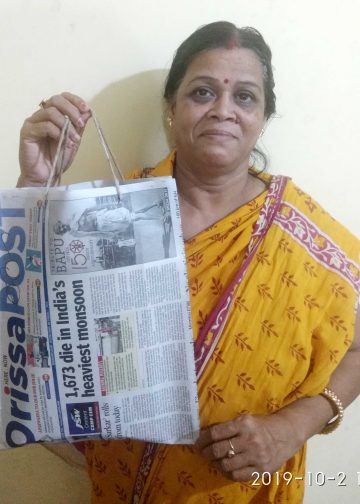
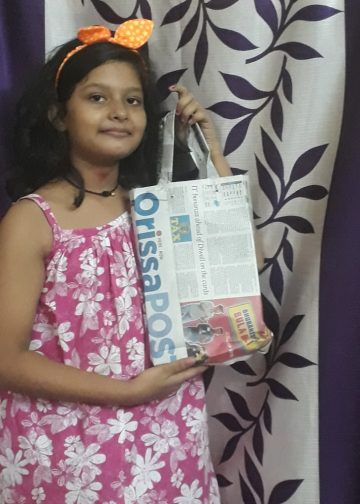
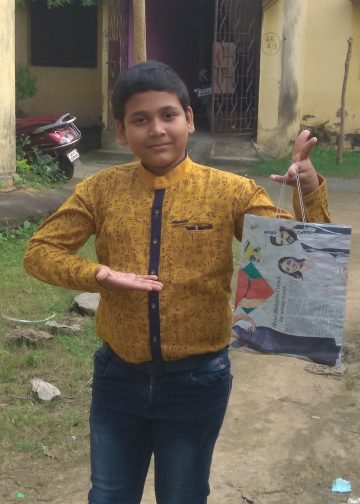
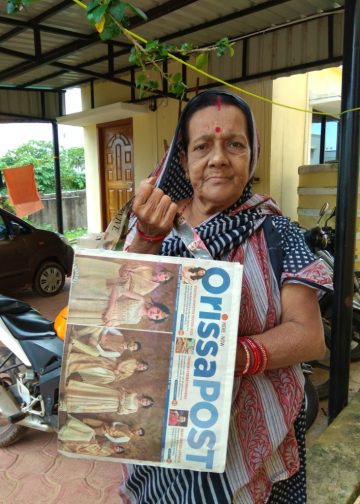
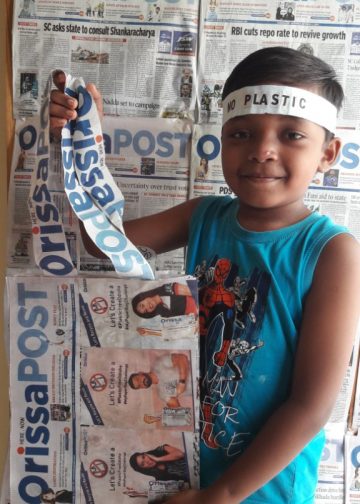
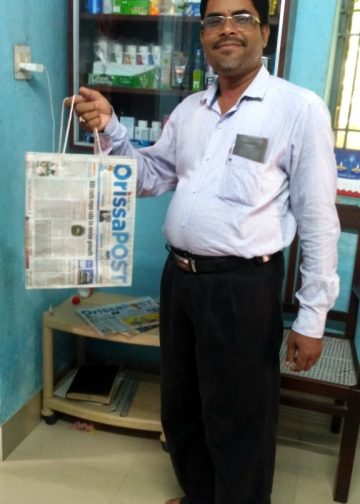
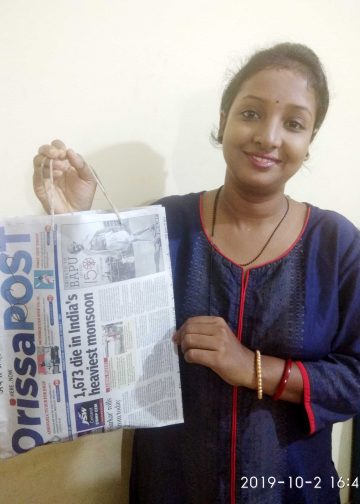
Click Here: Plastic Free Odisha

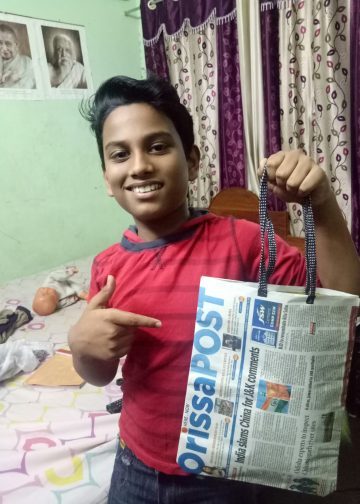
#MyPaperBagChallenge

Jhili Jena

December 12, 2019
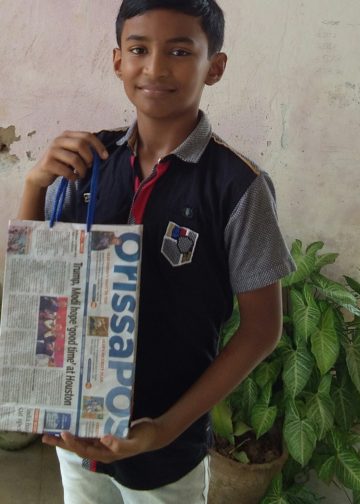
#MyPaperBagChallenge

Chinmay Kumar Routray

December 12, 2019
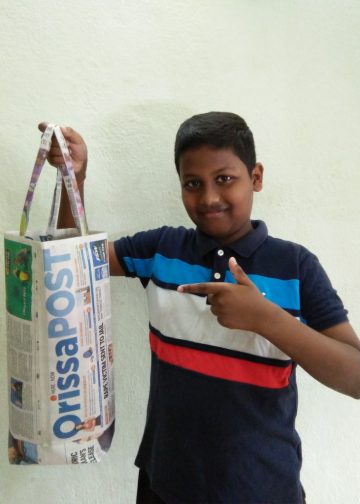
#MyPaperBagChallenge

Tapaswini Mallick

December 12, 2019
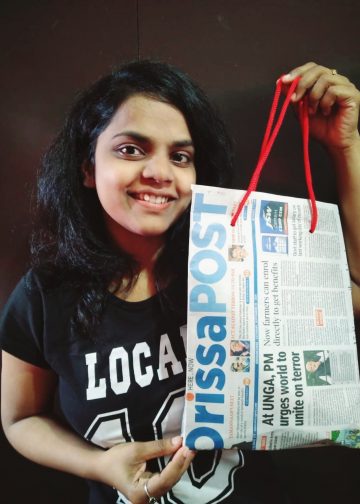
#MyPaperBagChallenge

Debasis Mohanty

December 12, 2019
#MyPaperBagChallenge

Jyotshna Mayee Pattnaik

December 12, 2019
#MyPaperBagChallenge

Sarmistha Nayak

December 12, 2019
#MyPaperBagChallenge

Mrutyunjaya Behera

December 12, 2019
#MyPaperBagChallenge

Pragyan Priyambada

December 12, 2019
#MyPaperBagChallenge

Ipsita

December 12, 2019
#MyPaperBagChallenge

Nishikant Rout

December 12, 2019
#MyPaperBagChallenge

Parbati Mohanty

December 12, 2019
#MyPaperBagChallenge

Saishree Satyarupa

December 12, 2019
#MyPaperBagChallenge

Pratik Kumar Ghibela

December 12, 2019
#MyPaperBagChallenge

Diptiranjan Biswal

December 12, 2019
#MyPaperBagChallenge

Keshab Chandra Rout

December 12, 2019
#MyPaperBagChallenge

Archana Parida

December 12, 2019
#MyPaperBagChallenge

Lopali Pattnaik

December 12, 2019
#MyPaperBagChallenge

Shreyanshu Bal

December 12, 2019
#MyPaperBagChallenge

Adyasha Priyadarsani Sendha

December 12, 2019
#MyPaperBagChallenge

Pratik Kumar

December 12, 2019
#MyPaperBagChallenge

Arya Ayushman

December 12, 2019
#MyPaperBagChallenge

Kamana Singh

December 12, 2019
#MyPaperBagChallenge

Spinoj Pattnaik

December 12, 2019
#MyPaperBagChallenge

Aishwarya Ranjan Mohanty

December 12, 2019
#MyPaperBagChallenge

Surya Sidhant Rath

December 12, 2019
#MyPaperBagChallenge

Praptimayee Biswal

December 12, 2019
#MyPaperBagChallenge

Sisirkumar Maharana

December 12, 2019
#MyPaperBagChallenge

Swarit Praharaj

December 12, 2019
#MyPaperBagChallenge

Adweeti Bhattacharya

December 12, 2019
#MyPaperBagChallenge

Archit Mohapatra

December 12, 2019

Archives

Editorial

Global Permit Raj

Permits
March 9, 2026

The insults heaped on India by senior officials of the Trump administration, including the PoTUS himself, that have become all...

Read moreDetails

Quiet Submission

March 8, 2026

By Aakar Patel I have no problem with the reality that as a nation we cannot always or even mostly...

Read moreDetails

Succession Signals

DILIP CHERIAN
March 7, 2026

By Dilip Cherian Delhi loves a vacancy, especially when it comes with a corner office and access to the Prime...

Read moreDetails

US & Drug Cartels

March 3, 2026

US President Donald Trump has made drug trafficked into his country a major reason for his policy of forcing illegal...

Read moreDetails
  • Home
  • State
  • Metro
  • National
  • International
  • Business
  • Editorial
  • Opinion
  • Sports
  • About Us
  • Advertise
  • Contact Us
  • Jobs
Developed By Ratna Technology

© 2025 All rights Reserved by OrissaPOST

  • News in Odia
  • Orissa POST Epaper
  • Video
  • Home
  • Trending
  • Metro
  • State
  • Odisha Special
  • National
  • International
  • Sports
  • Business
  • Editorial
  • Entertainment
  • Horoscope
  • Careers
  • Feature
  • Today’s Pic
  • Opinion
  • Sci-Tech
  • About Us
  • Contact Us
  • Jobs

© 2025 All rights Reserved by OrissaPOST

    • News in Odia
    • Orissa POST Epaper
    • Video
    • Home
    • Trending
    • Metro
    • State
    • Odisha Special
    • National
    • International
    • Sports
    • Business
    • Editorial
    • Entertainment
    • Horoscope
    • Careers
    • Feature
    • Today’s Pic
    • Opinion
    • Sci-Tech
    • About Us
    • Contact Us
    • Jobs

    © 2025 All rights Reserved by OrissaPOST