
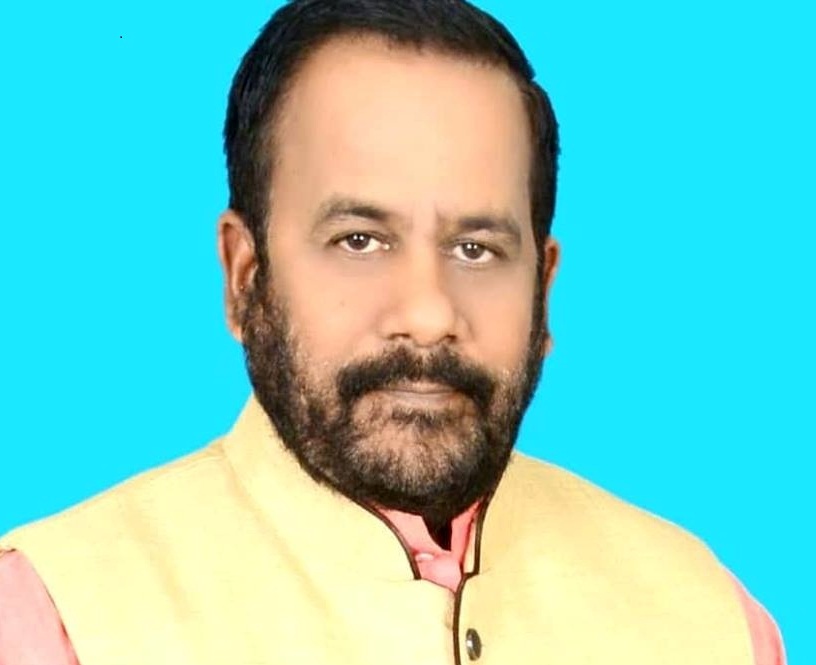
By Nabin Nanda
The recent unanimous passage of a financial bill in the Odisha Assembly to increase salaries and allowances of sitting MLAs, along with the pension of former MLAs, has generated widespread debate and criticism across the state. Much of the outrage, particularly on social media, portrayed legislators as self-interested and insensitive to public hardship. While public scrutiny is a vital part of democracy, this issue deserves a more reasoned and factual discussion. Members from both the ruling and Opposition parties supported the bill, though CPI(M) MLA Laxman Munda opposed it in keeping with his party’s ideology.
The controversy escalated when former CM and Leader of the Opposition, Naveen Patnaik, stated that he would donate his increased salary to the poor. While this was a personal decision, it raises an important question: if the bill was objectionable, why was it not opposed during the Assembly proceedings or through party legislators at the time of voting? It is true that many MLAs and ministers, particularly those from affluent or industrial backgrounds, may not depend on their salaries. However, a significant number of MLAs come from poor, tribal, and remote regions, where the salary is a genuine necessity rather than a privilege. Some MLAs struggle to meet basic expenses through their official remuneration alone. In such circumstances, financial pressure can create vulnerability, though this does not imply that all MLAs resort to unethical practices. Ignoring this reality would be unfair. It is also important to note that this bill was not passed hastily.
A Standing Committee comprising members from all political parties examined the matter in detail and recommended that MLA salaries and allowances be limited to Rs 2.75 lakh. This recommendation was approved by the State Cabinet and then unanimously passed by the Assembly. However, during the final stage, the amount was amended to Rs 3.5 lakh. This increase later became the main focus of public anger. The Opposition had sufficient opportunity to object during the legislative process. When criticism erupted later, especially on social media, the government acknowledged that a mistake may have been made. Respecting public sentiment, the ruling party requested the CM to reconsider the decision. If the bill is revised or withdrawn, it would be an unprecedented development in the history of the Odisha Assembly.
Criticism of certain allowances, such as those for newspapers, books, electricity, and similar expenses, is not entirely unjustified. MLAs are already provided official accommodation, and communication costs have reduced significantly in recent years. However, other unavoidable expenses remain substantial. These include constituency visits, maintaining a personal assistant, a driver, and continuous engagement with the public.
Any reconsideration should therefore distinguish between excessive claims and genuine operational needs. The issue of pensions for former MLAs requires special sensitivity. The pension has been increased from Rs 30,000 to Rs 80,000, while the medical allowance remains only Rs 2,000. In today’s economic reality, even basic medical expenses often exceed this amount. Former MLAs, even after leaving office, continue to live among the people. They are expected to attend social events, religious functions, and community programmes, often at personal expense. In many constituencies, former MLAs are still regarded as public representatives and are approached regularly for assistance. Not all former MLAs are wealthy. Many come from lower or middle-class backgrounds and have no independent source of income.
Over the years, while affluent individuals have increasingly entered politics, nearly 500 former MLAs from modest backgrounds still depend on pension to meet basic needs. Our committee has repeatedly met the CM seeking a reasonable revision of former MLAs’ pensions, and assurances were given that the matter would be considered. If the government revisits this decision in upcoming Assembly session, whatever outcome is reached in the broader interest of the state should be accepted collectively. Public representatives must remain accountable to people. At the same time, dignity in public life and reasonable financial security are essential for healthy functioning of democracy. The debate should move beyond outrage and focus on fairness, realism, and long-term institutional integrity.
The writer is a former MLA, Gondia & Dhenkanal.