
By Arindam Ganguly, OP
Bhubaneswar: Chilika, Asia’s largest brackish-water lagoon with estuarine characteristics and one of the world’s crucial coastal lagoons, is spread across Puri, Khordha and Ganjam districts.
It lies along the Bay of Bengal and receives fresh water from rivers and remains connected to the sea through its channels and mouths. For generations, the lagoon has sustained fishing communities around its shores.
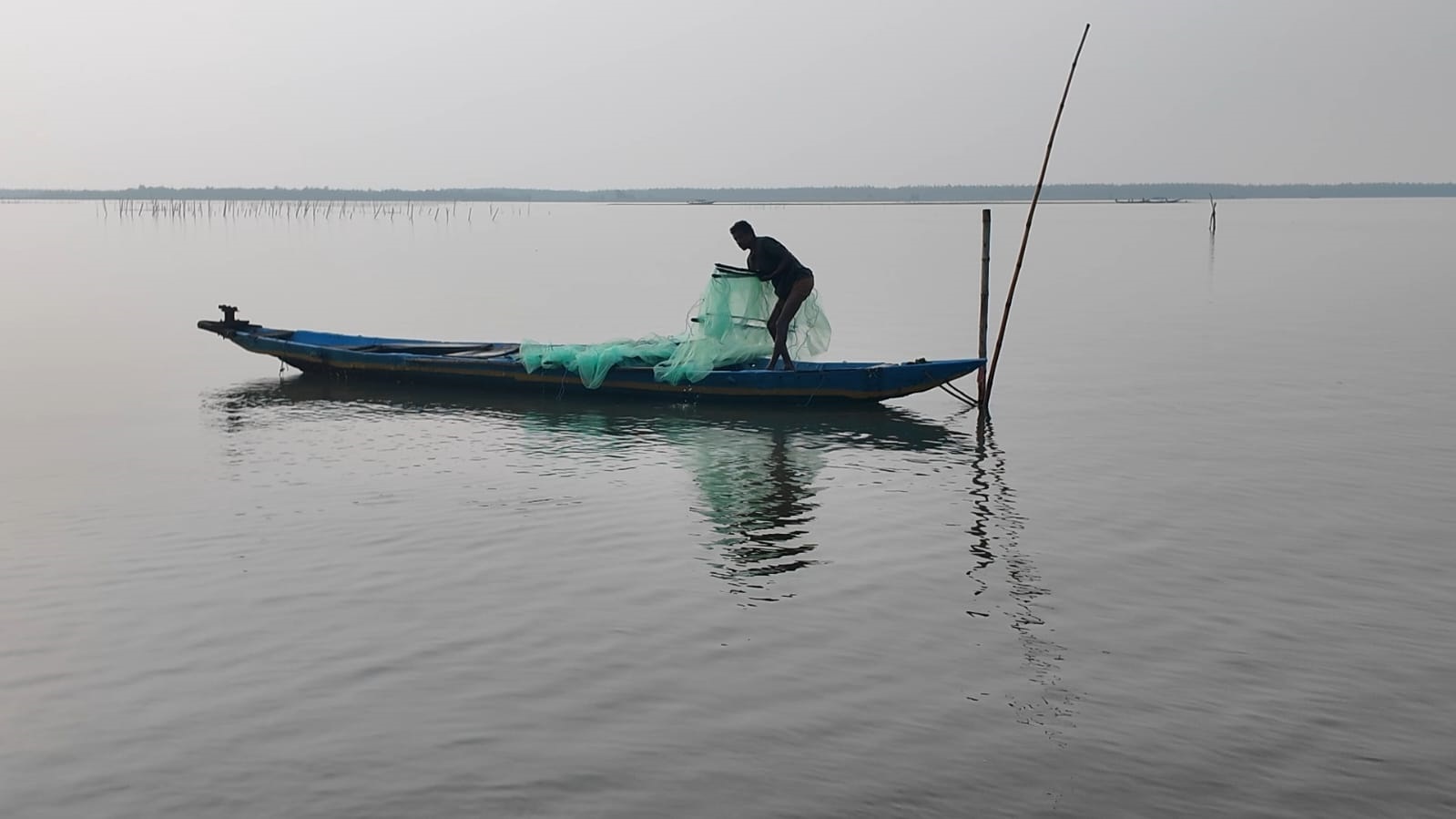

However, fishermen and locals now say the waters are becoming increasingly difficult to depend on. During the visit by this correspondent, it was observed that increased human intervention, rampant fishing, pollution, tourism pressure, plastic waste, aquaculture and repeated cyclones have taken a heavy toll on the lake’s ecosystem.


For Kirti Padma Sourav, a resident of Arakhakuda, a coastal village in Brahmagiri tehsil of Puri district and the last village along Magarmukh Channel, the changes are being felt directly through tourism, pollution and repeated cyclones.
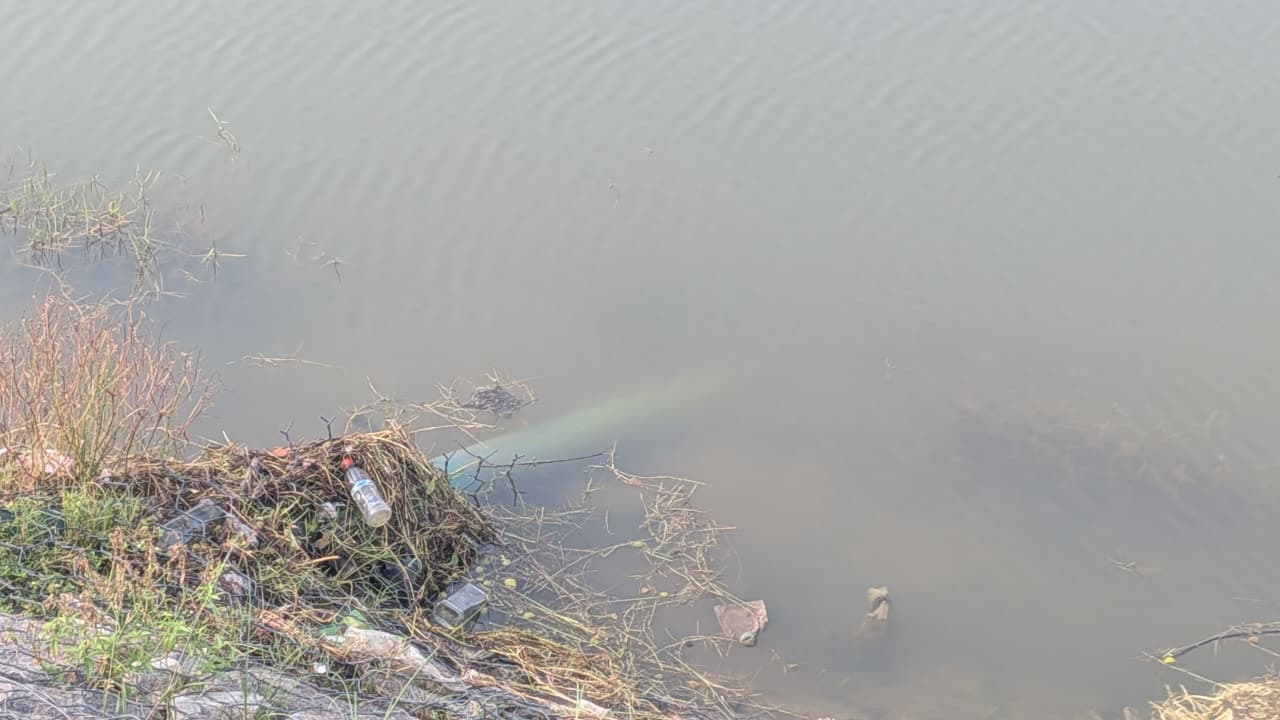
He said the growing number of tourists had contributed to noise and water pollution from the increasing use of motorboats. Plastic bottles, food packets and other waste materials discarded by visitors have added to the problem.
But repeated cyclones, he said, have placed an even heavier burden on local families. “Every time a cyclone hits, the authorities spend money managing its effects by putting up stone and sand barriers to prevent seawater from entering the villages. However, these measures are temporary and have to be repeated after every cyclone.
They don’t provide people with a sense of security or assurance. We still live in constant fear of another cyclone hitting,” he said. The short intervals between cyclones of ten leave villagers with little time to recover from earlier damage.
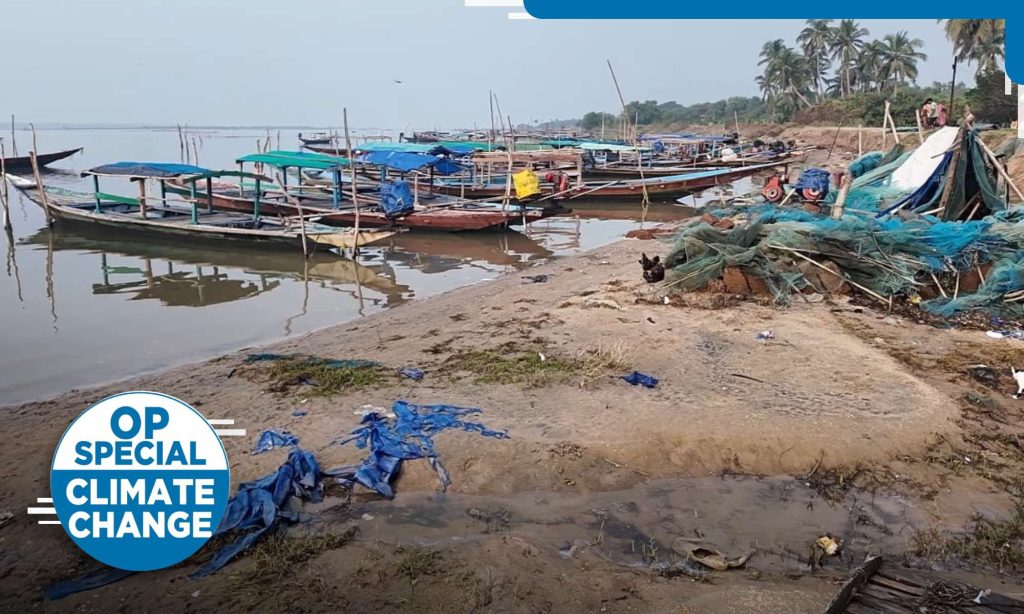
Several boat owners, he said, are unable to repair or replace vessels damaged during previous cyclones, including Cyclone Fani.
Another concern raised by locals is the spread of illegal prawn gherries (enclosures).

He also claimed that chemicals, feed and untreated waste from shrimp farming af fect water quality and aquatic life. Jena questioned the timing and effectiveness of enforcement drives, alleging that eviction action is sometimes taken after the main fishing or shrimp-production season.
The allegations require case-by-case verification, while authorities maintain that illegal gherries are being monitored and action is being taken against violators.
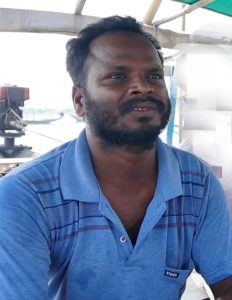

The movement of boats and engine noise, he said, could disturb fish habitats and breeding grounds and affect wildlife, including the lagoon’s Irrawaddy dolphins.
Another fisherman, Narsingh Dalei, said several fish varieties once found in abundance have now become scarce. He mentioned species locally known as ‘Ilishi Mahama, Paniakhia, Khainga and Sahala’ that are found very rarely now.
Basant Kumar, secretary of a local boatmen’s association, said tourism is contributing to Chilika’s plastic problem. “Tourists throw large amounts of plastic into the lake. The plastic ban is not being implemented properly,” he said. Boatmen say discarded plastic cans interfere with fi shing and boating and add further pressure to an already stressed aquatic ecosystem.


“Chilika has been under sustained ecological pressure for years, and the changing fish, crab and prawn catch is the result of multiple, interconnected stressors rather than a single factor,” Panda said.
He said Chilika depends on a delicate balance between freshwater flowing from rivers such as Daya and Bhargavi and saline water entering from the Bay of Bengal. Changes in river flows, siltation, erratic monsoons and cyclones can alter salinity, affecting fish breeding and movement.
Illegal prawn gherries, intensive aquaculture, increasing fishing pressure and the use of fine-mesh or zero-mesh nets add further stress on the lagoon. Such nets can capture juvenile and very small fish before they mature and reproduce, putting additional pressure on fish populations and the aquatic food web.
Panda said climate variability is adding another layer of uncertainty. “Earlier, seasonal changes in rainfall, temperature and water levels followed a relatively predictable rhythm. Today, that rhythm is becoming increasingly uncertain,” he said.

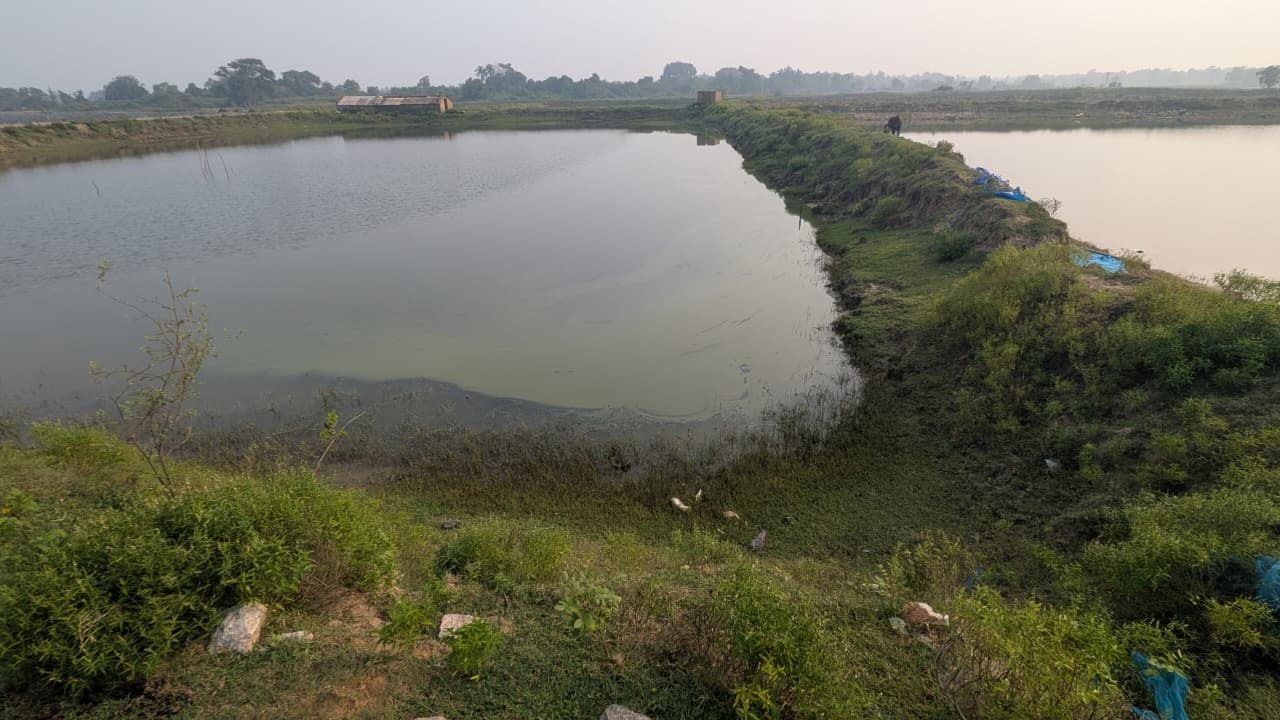
According to him, changing rainfall, longer periods of intense heat and episodes of heavy rainfall can alter freshwater inflows and salinity, influencing fish availability and the livelihoods of fishing communities.
“Climate change is not acting in iso lation. It is interacting with these existing ecological pressures,” Panda said. He also said declining fish availability should not be treated merely as a fisheries issue.
“Fish are not only a source of livelihood; they are also an essential part of the aquatic food web,” he said. “When one part of the food web is weakened, the effects can spread through the system, affecting biodiversity, water quality and ultimately the communities whose lives are connected to the lagoon.”
He called for stronger regulation of aquaculture and fishing, effective waste management, scientific monitoring and greater participation of traditional fishing communities in Chilika’s conservation and management.


Nayak, however, acknowledged plastic pollution as a major concern and said, “We are conducting awareness programmes for tourists and boatmen, urging them not to throw plastic into the lake. However, given the vast area of Chilika, it can sometimes be difficult to monitor and control such activities.”
On allegations concerning chemical discharge and illegal aquaculture, Nayak said authorities were monitoring the lake in coordination with local administrations. “We are also monitoring the lake for illegal gherries in coordination with local authorities.
We are taking strict action against those who release chemical feeds or discharge untreated waste into the lake,” he said.