
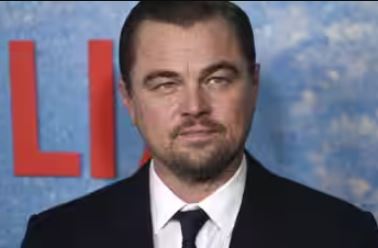
A landmark debt-swap deal backed by Leonardo DiCaprio’s foundation helped Seychelles convert foreign debt into funding for long-term ocean conservation.
The arrangement helped the island nation expand its protected ocean area from just 0.04% of its Exclusive Economic Zone to 30% by 2020.
Under the deal, $21.6 million in foreign debt was restructured in exchange for funding conservation efforts in Seychelles, according to The Nature Conservancy.
The country also committed to developing a marine spatial plan to guide how its ocean would be protected and used.
The initiative dramatically expanded Seychelles’ marine protections.
By 2020, the country had established Marine Protection Areas covering 410,000 square kilometres of ocean—an area larger than Germany, according to The Nature Conservancy.
Seychelles depends heav ily on the sea, with fishing and tourism providing jobs for more than one-third of its workforce.
The island nation, located about 1,600 kilometres off the coast of East Africa, has an economy and local livelihoods closely tied to marine resources.
To balance conservation with economic needs, Seychelles divided its protected waters into different zones.
Some allow activities to continue, while areas with high biodiversity receive stronger protection.
Protecting these marine resources is particularly important as Seychelles faces the growing impacts of climate change.
The Nature Conservancy has identified Seychelles and other ocean-dependent nations as among those especially vulnerable to climate-related threats.
Seychelles faces rising temperatures, sea levels and ocean acidification, while its economy continues to depend on fishing and tourism.
The challenge is to protect marine ecosystems without disrupting the activities that support local communities and businesses.
The debt conversion offered a way to address both priorities. It provided financing for conservation while allowing Seychelles to plan where marine resources should receive stronger protection and where sustainable economic activities could continue.
The government and The Nature Conservancy co-designed the deal, which the organisation described as the world’s first ocean debt conversion.
The arrangement also established a long-term funding mechanism to support conservation projects.
The new Marine Protection Areas were divided into two zones, with the first—the High Biodiversity Protection Area, or Zone I—placing strict limits on human activity.
Almost all activities are restricted in Zone I, except for non-extractive uses such as tourism.
The zone covers 201,235 square kilometres of waters around the remote islands of the Aldabra Group.
The group is home to the world’s second-largest raised coral atoll, a UNESCO World Heritage Site, and supports some of Seychelles’ most distinctive wildlife.
This includes the dugong, which The Nature Conservancy describes as the most endangered animal in the western Indian Ocean, as well as around 100,000 rare giant tortoises.
Protecting these waters was therefore a key part of Seychelles’ broader effort to conserve its marine biodiversity.
The second zone, known as the Medium Biodiversity Protection and Sustainable Use Area, or Zone II, takes a more flexible approach.
It allows certain economic activities while maintaining protections for important marine ecosystems.