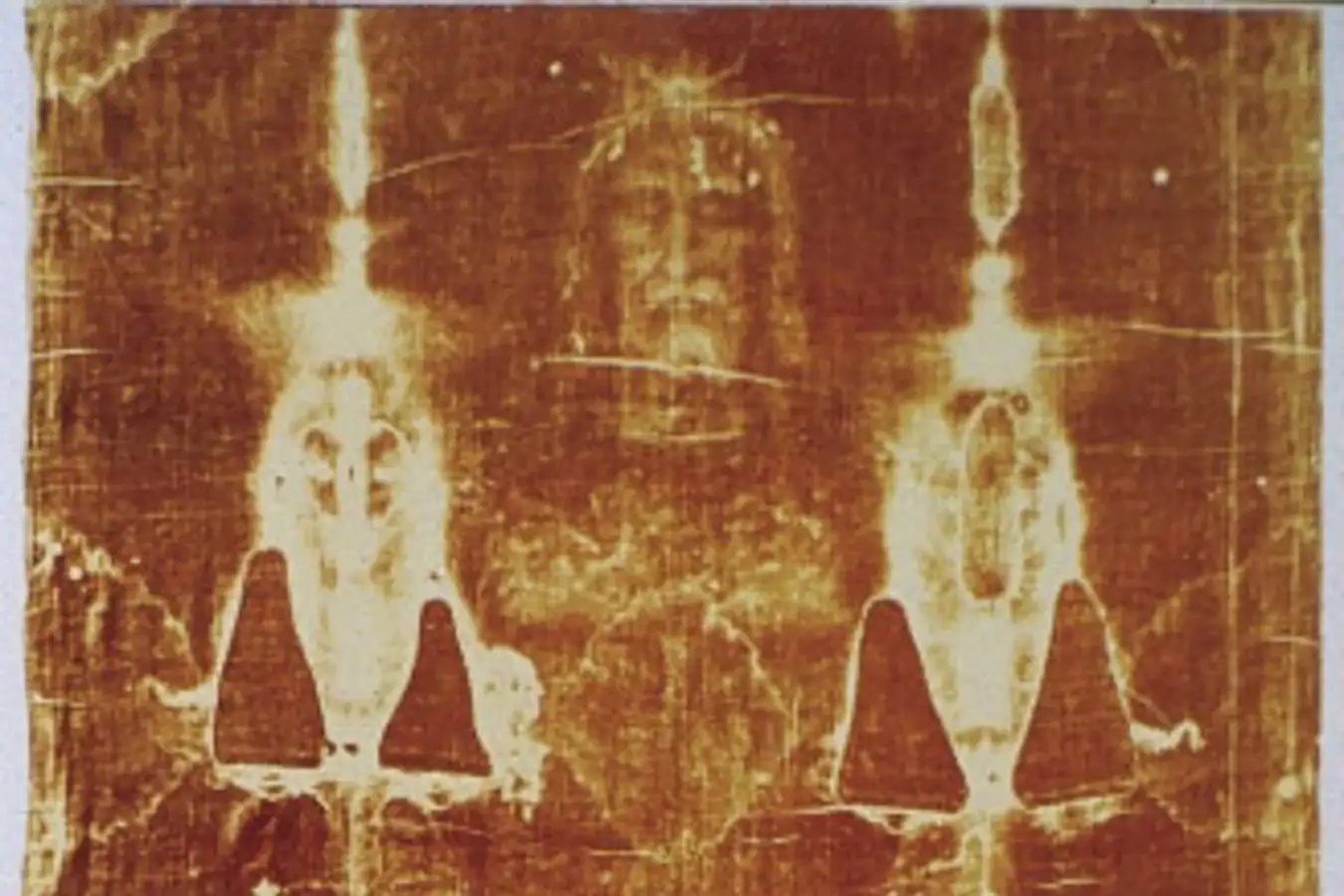
A new DNA analysis is adding a surprising dimension to the enduring mystery of the Shroud of Turin, with researchers reporting that a significant share of genetic material found on the cloth may trace back to India. The linen shroud, measuring about 4.4 metres long and 1.1 metres wide, is one of Christianity’s most debated relics. First documented in France in 1354 and now housed in the Cathedral of Saint John the Baptist in Turin, Italy, it is believed by some to have wrapped the body of Jesus after his crucifixion.
In a study posted on the preprint server BioRxiv and not yet peer-reviewed, researchers led by Gianni Barcaccia of the University of Padova analysed DNA extracted from dust particles collected from the shroud in 1978. Their findings reveal a complex biological record shaped by centuries of human contact and environmental exposure. “Analysis of the DNA traces found on the Shroud of Turin suggests the potentially extensive exposure of the cloth in the Mediterranean region and the possibility that the yarn was produced in India,” the researchers wrote. The study found that about 38.7 per cent of the human genomic data identified on the cloth corresponds to Indian lineages. “The presence of 38.7 per cent of the overall human genomic data from Indian lineages is unexpected,” the team noted, adding that it may be “linked to historical interactions associated with importing linen or yarn from regions near the Indus Valley.”


Scientists also detected DNA from a wide range of animals, including dogs, cats, chickens, cattle, goats, sheep, pigs and horses, as well as wild species such as deer and rabbits. Plant DNA traces included wheat, potatoes, tomatoes, peppers and carrots, pointing to extensive environmental exposure. The researchers cautioned that the diversity of genetic material reflects repeated handling and contamination over time, making it difficult to isolate any “original DNA” from the cloth. “Genetic and microbial evidence discloses a complex history of the Turin Shroud, reflecting interactions with a diverse array of individuals,” the team wrote.
They also identified skin-associated bacteria, including Cutibacterium and Staphylococcus, further supporting evidence of intense human handling. While the findings offer new clues about the shroud’s journey across regions and cultures, they do not resolve the question of its age. “Nevertheless, our findings constitute a novel and significant contribution to the field,” the researchers concluded, “thoroughly elucidating the biological traces left by centuries of social, cultural and ecological engagement.” The study underscores the shroud’s global connections, while leaving its origins and authenticity an open question.
Orissa POST – Odisha’s No.1 English Daily