Odisha News, Odisha Latest news, Odisha Daily - OrissaPOST
  • Home
  • Trending
  • State
  • Metro
  • National
  • International
  • Business
  • Feature
  • Entertainment
  • Sports
  • More..
    • Odisha Special
    • Editorial
    • Opinion
    • Careers
    • Sci-Tech
    • Timeout
    • Horoscope
    • Today’s Pic
  • Video
  • Epaper
  • News in Odia
No Result
View All Result
OrissaPOST - Odisha Latest news, English Daily -
No Result
View All Result

Do you know what happens in our brain and body when we’re in love?

Theresa Larkin
Updated: February 14th, 2023, 13:00 IST
in Feature
0
Pic Credit: dating.lovetoknow.com

Pic Credit: dating.lovetoknow.com

Share on FacebookShare on TwitterShare on WhatsAppShare on Linkedin

Wollongong: Love dominates our popular culture and is the subject of countless songs, movies, and works of literature and art. But what’s happening in our body when we feel love?

Love is difficult to define, but can be described as an intense feeling of deep affection. At the most basic level, science sees love as a cocktail of chemicals released by the brain.


Also Read

What we know after Jensen Huang resigns as Nvidia CEO

7 days ago

74-year-old American becomes world’s oldest wingsuit flyer

1 week ago

From an evolutionary perspective, romantic love evolved from the primitive animal drive to find and keep preferred mates. Love keeps people bonded and committed to one another, to raise children through infancy. This ensures our species will continue to reproduce, survive and thrive.

However, romantic love is not just about reproduction. Some argue we should consider loving a motivation, like hunger, thirst, sleep, or sex.

There are many benefits of loving others and being loved. These include better mental health, well-being and immune function, and reduced chronic stress and disease.

What happens when someone initially falls in love?

Falling in love typically begins when someone starts to see another person as special and unique.

The initial phase of falling in love is an extreme neurobiological state, characterised by heightened responses and high passion. Lust and attraction are driven by the sex hormones, estrogen, and testosterone, as motivations for sex.

Specific areas of the brain are activated when you fall in love, in particular the limbic system and the reward centres. The limbic system has key roles in emotion and memory. This causes a positive mood and explains why the memories associated with new love are so strong.

There is also an increase in dopamine and noradrenaline. Dopamine stimulates the reward pathways and increases motivation and obsessive thoughts and behaviors to pursue the love interest. Noradrenaline causes feelings of euphoria, and the physiological responses of a faster heart rate, butterflies in the stomach and increased energy.

At the same time, other brain areas are deactivated. Reduced activity in the frontal cortex reduces negative emotions and judgments. This explains why initially people may be blind to faults in the person they are in love with.

But while you might be feeling less judgment, there is also increased cortisol, stress, and feelings of insecurity in the early phase of falling in love.

How does romantic love change over time?

The initial phase of falling in love and intense infatuation lasts for several months.

During the next phase, there is increased intimacy, commitment and attachment. This is driven by the hormones oxytocin and vasopressin. Oxytocin helps us feel safe and secure after the initial high cortisol and stress of the uncertainty and risk of falling in love. Vasopressin promotes behaviours of vigilance and being territorial and self-protective.

Between oxytocin and vasopressin there is a balance of connecting with others while also protecting the person you are in love with and yourself.

Oxytocin is often called the “hormone of love” because it facilitates the formation of social bonds and connections. However, new research in animal models suggests oxytocin is not essential for lifelong pair bonding as previously thought.

Sexual activity is distinct from love, but it does reinforce attachment. When we touch, kiss or have sex, oxytocin and vasopressin are released, which promotes love and commitment between a couple.

Years into a romantic relationship, there is often a period of transition from passionate love to companion love. High intimacy and commitment help to sustain this love. Some relationships end at this time because of the reduced passion, while other couples remain in the passionate love phase for decades.

What about non-romantic love?

Beyond its role in romantic love, oxytocin is important in all forms of love, including with family, friends, and even pets. Positive social relationships and oxytocin have many benefits on human health, well-being, and longevity.

In our research, we have shown oxytocin is associated with better quality of life and healthier social connections, among people with and without depression.

So, for the love of your favourite person, people or pet(s), whoever they are, however long you love them for, and however many times you fall in love, relish loving and being loved.

Love might just be nature’s best chemical cocktail. But all the intricacies of the complex behaviour and emotion of love continue to elude science.

PTI

Tags: love
ShareTweetSendShare
Suggest A Correction

Enter your email to get our daily news in your inbox.


OrissaPOST epaper Sunday POST OrissaPOST epaper

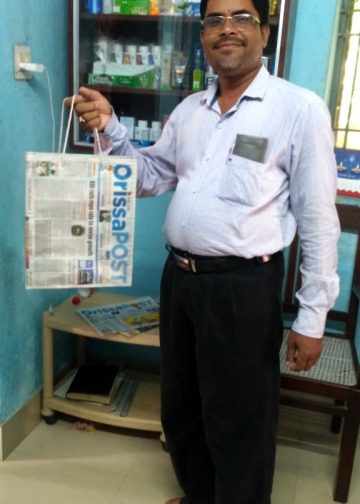
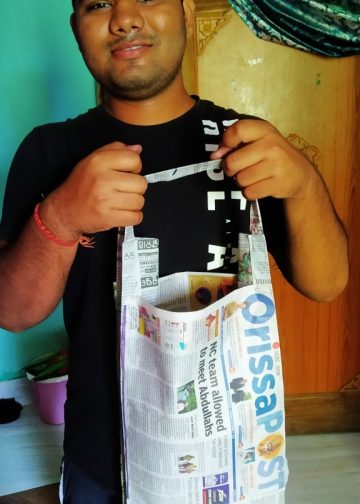
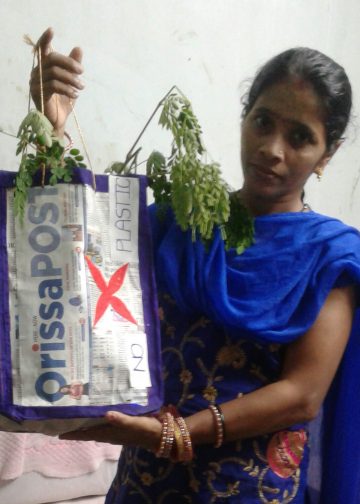
Click Here: Plastic Free Odisha

#MyPaperBagChallenge

Chinmay Kumar Routray

December 12, 2019
#MyPaperBagChallenge

Kamana Singh

December 12, 2019
#MyPaperBagChallenge

Praptimayee Biswal

December 12, 2019
#MyPaperBagChallenge

Pragyan Priyambada

December 12, 2019
#MyPaperBagChallenge

Sipra Mishra

December 12, 2019
#MyPaperBagChallenge

Mandakini Dakua

December 12, 2019
#MyPaperBagChallenge

Jyotshna Mayee Pattnaik

December 12, 2019
#MyPaperBagChallenge

Priyabrata Mohanty

December 12, 2019
#MyPaperBagChallenge

Tapaswini Mallick

December 12, 2019
#MyPaperBagChallenge

D Rama Rao

December 12, 2019
#MyPaperBagChallenge

Sisirkumar Maharana

December 12, 2019
#MyPaperBagChallenge

Keshab Chandra Rout

December 12, 2019
#MyPaperBagChallenge

Lopali Pattnaik

December 12, 2019
#MyPaperBagChallenge

Matrumangal Jena

December 12, 2019
#MyPaperBagChallenge

Pitabas Tripathy

December 12, 2019
#MyPaperBagChallenge

Nishikant Rout

December 12, 2019
#MyPaperBagChallenge

Pratik Kumar Ghibela

December 12, 2019
#MyPaperBagChallenge

Amritansh Mishra

December 12, 2019
#MyPaperBagChallenge

Priyasha Pradhan

December 12, 2019
#MyPaperBagChallenge

Archana Parida

December 12, 2019
#MyPaperBagChallenge

Pratyasharani Ghibela

December 12, 2019
#MyPaperBagChallenge

Surya Sidhant Rath

December 12, 2019
#MyPaperBagChallenge

Shreyanshu Bal

December 12, 2019
#MyPaperBagChallenge

Adyasha Priyadarsani Sendha

December 12, 2019
#MyPaperBagChallenge

Adweeti Bhattacharya

December 12, 2019
#MyPaperBagChallenge

Geetanjali Patro

December 12, 2019
#MyPaperBagChallenge

Rajashree Pravati Mohanty

December 12, 2019
#MyPaperBagChallenge

Bijswajit Pradhan

December 12, 2019
#MyPaperBagChallenge

Parbati Mohanty

December 12, 2019
#MyPaperBagChallenge

Adrita Bhattacharya

December 12, 2019

Archives

Editorial

Tech Terror

November 18, 2026

It cannot be a coincidence that when the world was still trying to come to terms with the prospect of...

Read moreDetails

More Miseries Ahead

Inflation in India
November 17, 2026

Life is getting difficult by the day for Indians with all us citizens reeling under the dual shocks of rising...

Read moreDetails

Tough Times

Press
November 16, 2026

Press freedom has, for years, been under attack almost everywhere across the globe, but the situation has never been as...

Read moreDetails

Democracy Strikes Back

Rights & Restrictions: AAKAR PATEL
November 15, 2026

By Aakar Patel Democracies correct themselves through elections. The leadership of every nation is imperfect, and the problems become especially...

Read moreDetails
  • Home
  • State
  • Metro
  • National
  • International
  • Business
  • Editorial
  • Opinion
  • Sports
  • About Us
  • Advertise
  • Contact Us
  • Jobs
Developed By Ratna Technology

© 2025 All rights Reserved by OrissaPOST

  • News in Odia
  • Orissa POST Epaper
  • Video
  • Home
  • Trending
  • Metro
  • State
  • Odisha Special
  • National
  • International
  • Sports
  • Business
  • Editorial
  • Entertainment
  • Horoscope
  • Careers
  • Feature
  • Today’s Pic
  • Opinion
  • Sci-Tech
  • About Us
  • Contact Us
  • Jobs

© 2025 All rights Reserved by OrissaPOST

    • News in Odia
    • Orissa POST Epaper
    • Video
    • Home
    • Trending
    • Metro
    • State
    • Odisha Special
    • National
    • International
    • Sports
    • Business
    • Editorial
    • Entertainment
    • Horoscope
    • Careers
    • Feature
    • Today’s Pic
    • Opinion
    • Sci-Tech
    • About Us
    • Contact Us
    • Jobs

    © 2025 All rights Reserved by OrissaPOST