Sundargarh: At a time when a gruelling summer is making survival of birds and wildlife increasingly difficult due to the drying up of natural water sources, SEWAK’s Green Memory Campaign, a voluntary outfit and a close partner of the district administration, has launched a community-led initiative to address this environmental challenge.
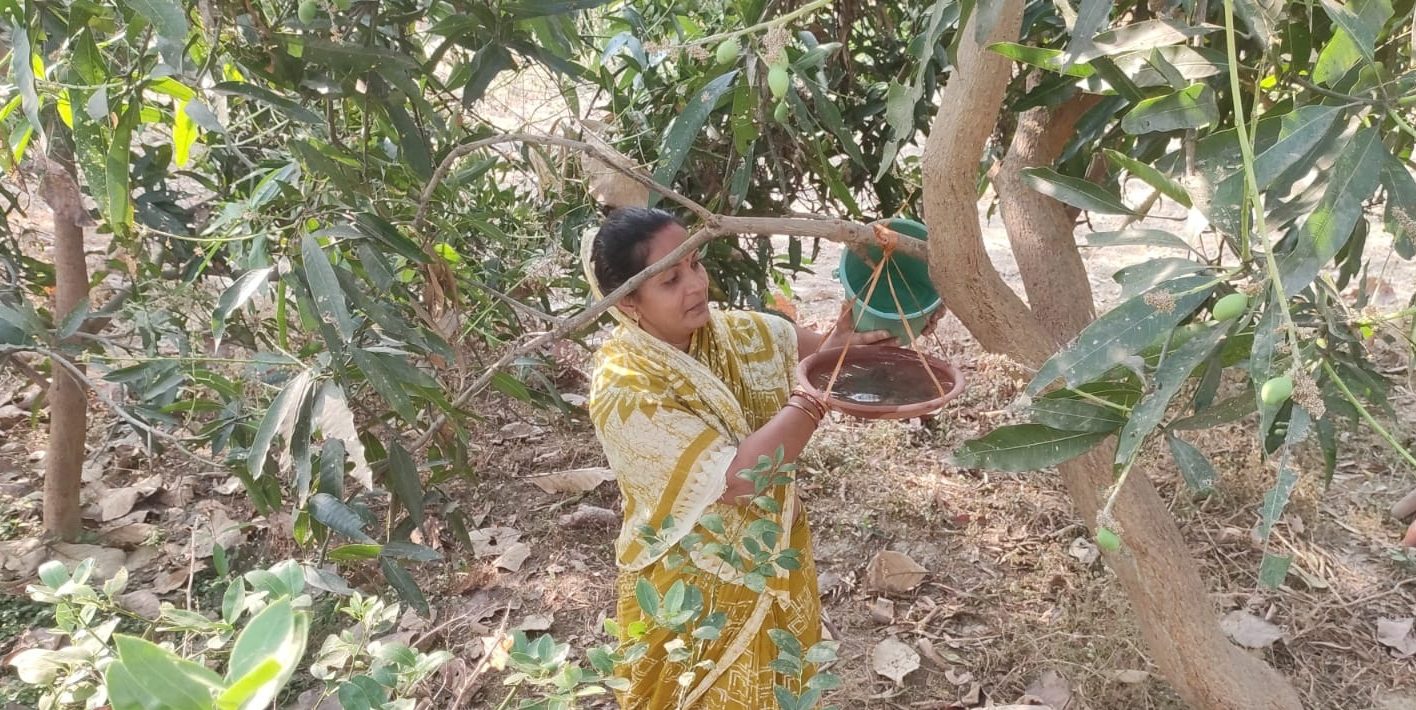
Through this simple yet impactful effort, 1,456 water bowls have been installed across seven districts, providing much-needed relief to birds during the peak summer.


The campaign led by environmentalist Digambar Upadhyay has mobilised volunteers, community cadres, village-level institutions, local residents and the outfit’s members to support bird conservation efforts.
Also Read : D K Shivakumar takes oath as Karnataka Chief Minister
Water bowls have been placed in Sundargarh, Jharsuguda, Keonjhar, Deogarh, Sambalpur, Subarnapur and Boudh districts, covering villages, schools, public spaces, institutional campuses and forest habitats where birds frequently gather.
The campaign aims not only to provide water to thirsty birds but also to promote biodiversity conservation, strengthen community participation and encourage environmental stewardship.
In many villages, local youth, students, women’s self-help groups and nature enthusiasts have voluntarily taken responsibility of refilling and maintaining the water bowls.
“Protecting nature and wildlife cannot be the responsibility of governments alone. Every citizen has a role to play,” said Upadhyay, who also serves as SEWAK’s programme director.
“A small gesture, such as placing a bowl of water outside our homes, can become a lifeline for birds struggling to survive in extreme heat. Collective action begins with individual responsibility.”
As climate change and extreme weather events continue to challenge ecosystems worldwide, grassroots initiatives such as the Green Memory Campaign demonstrate how simple, community-driven solutions can create meaningful environmental impact.
With 1,456 water bowls already installed and public participation continuing to grow, the campaign is sending a powerful message: Protecting biodiversity does not always require large investments.
Sometimes, it begins with a single bowl of water and a willingness to care.