
PRABHATA PANIGRAHI, OP
Khordha: Tourism in Khordha district remains largely neglected, with several sites of historical and religious importance struggling for basic infrastructure. Despite the district’s rich tourism potential, lack of political will, political apathy and alleged negligence by officials have left many tourist spots in poor condition.
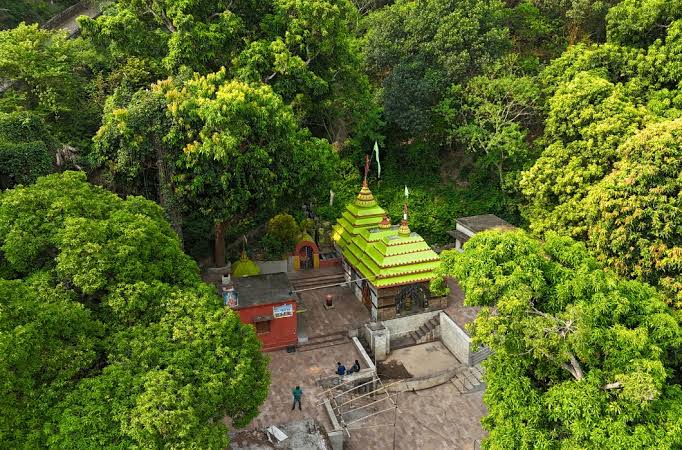
Barunei Hill, a witness to the Paika Rebellion, is home to the shrines of Goddess Barunei and Karunei, the presiding deities of the Khordha royal family. Although the site has been accorded tourism status, basic infrastructure remains inadequate. Garbage is strewn across the area and basic facilities for tourists are lacking.
The hill also houses the historic Sitakunda and Pandava Caves. The nearby Digabareni Hill is another attraction. It is believed that the Nilachakra of the Jagannath Temple in Puri can be seen from the hill. Researchers say the area contains Buddhist relics and inscriptions dating back about 2,000 years.
Paika warriors are also believed to have used the hill to keep watch on British forces during the rebellion. A proposed ropeway connecting the foothills of Barunei to the hilltop has remained stuck government red tape, while construction of steps leading up the hill is incomplete.
The Khordha Fort, regarded as the birthplace and last stronghold of the Paika rebellion, is also in a state of neglect and is gradually losing its historical identity. No adequate arrangements have been made for its restoration, while several historical structures within the fort are facing deterioration. The fort now gives the appearance of an abandoned site.
The Archaeological Survey of India (ASI) took up the development of the fort in 1978, and lakhs of rupees have reportedly been spent on restoration work at various times. However, its dilapidated condition has kept tourists away. In the 1980s, intricately carved stones and other remnants of historical structures were recovered from in front of the Raghunath Temple at Gada Khordha.
However, the administration has no information about their present whereabouts. Only one or two broken stone pieces lie neglected on the premises of the Sanskriti Bhawan, locals said. Similarly, at Kankanashikhari, an island in Chilika Lake, a wheel of the Nandighosa chariot and the Chaturdha Murti are worshipped as reminders of Lord Jagannath’s association with the area.
Although the site has been recognised as a tourism destination, there is no adequate arrangement for tourists to reach it through Chilika, nor has signifi cant development work been undertaken. The hot spring at Atri, one of Odisha’s prominent tourist attractions, is also in poor condition. The Kuakunda, from which hot steam emerges throughout the year, lacks basic facilities for visitors.
The historic Dhabaleswar shrine at Gurujanga in Khordha has been accorded tourism status, but the associated infrastructure remains inadequate. Similarly, Sri Ananta Purushottam at Jagulipatna village along National Highway 57, between Khordha and Nayagada, attracts devotees throughout the year.
The shrine houses the Chaturdha Murti, but the approach road is riddled with potholes and the Chandan Pokhari remains in need of restoration. Khordha Collector Amrit Ruturaj said the administration was giving priority to the development of the district’s heritage and tourism potential.
“Discussions have been held with the Tourism department in this regard,” he said. MLA Prasanta Jagdev said Rs 18 crore had been earmarked for the development of Khordha fort. Plans were also under way for the beautifi cation of Barunei Hill and installation of a statue of Buxi Jagabandhu, he said.