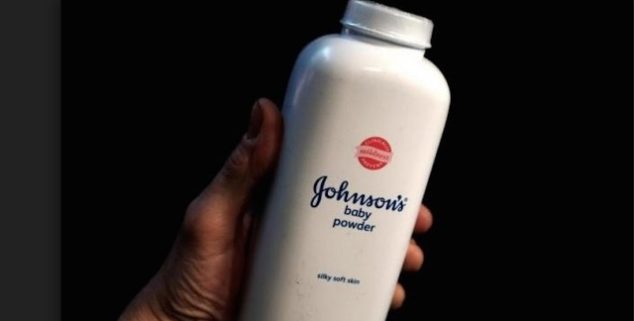
Los Angeles: Global pharmaceutical giant Johnson & Johnson knew for decades that its baby powder contained asbestos, report said Friday. The investigation comes in the backdrop of the multiple lawsuits that the company is currently facing — where more than 9,000 plaintiffs have alleged that its talc baby powder products contain asbestos and caused ovarian and other cancers. In a major setback to the company, St. Louis jury in July had awarded nearly $4.7 billion in total damages to 22 women and their families after they claimed asbestos in Johnson & Johnson talcum powder contributed to their ovarian cancer in the first case against the company that focused on asbestos in the powder.
J&J denied the claim. Baby Powder was asbestos-free, it said. As the case proceeded, J&J was able to avoid handing over talc test results and other internal company records Hobson had requested to make the case against Baby Powder.

A Reuters examination of many of those documents, as well as deposition and trial testimony, shows that from at least 1971 to the early 2000s, the company’s raw talc and finished powders sometimes tested positive for small amounts of asbestos, and that company executives, mine managers, scientists, doctors and lawyers fretted over the problem and how to address it while failing to disclose it to regulators or the public. The documents also depict successful efforts to influence U.S. regulators’ plans to limit asbestos in cosmetic talc products and scientific research on the health effects of talc. A small portion of the documents have been produced at trial and cited in media reports.
J&J has said it will appeal the recent verdicts against it. It has maintained in public statements that its talc is safe, as shown for years by the best tests available, and that the information it has been required to divulge in recent litigation shows the care the company takes to ensure its products are asbestos-free. It has blamed its losses on juror confusion, “junk” science, unfair court rules and overzealous lawyers looking for a fresh pool of asbestos plaintiffs.
“Plaintiffs’ attorneys out for personal financial gain are distorting historical documents and intentionally creating confusion in the courtroom and in the media,” Ernie Knewitz, J&J’s vice president of global media relations, wrote in an emailed response to Reuters’ findings. “This is all a calculated attempt to distract from the fact that thousands of independent tests prove our talc does not contain asbestos or cause cancer. Any suggestion that Johnson & Johnson knew or hid information about the safety of talc is false.” J&J declined to comment further for this article.
REUTERS
Also Read: