
By Narendra Raut, OP
Koraput: Koraput district, nationally and internationally recognised for its premium-quality coffee, is now steadily carving out a new identity in pepper production, offering fresh opportunities for farmers and strengthening the region’s agricultural economy.
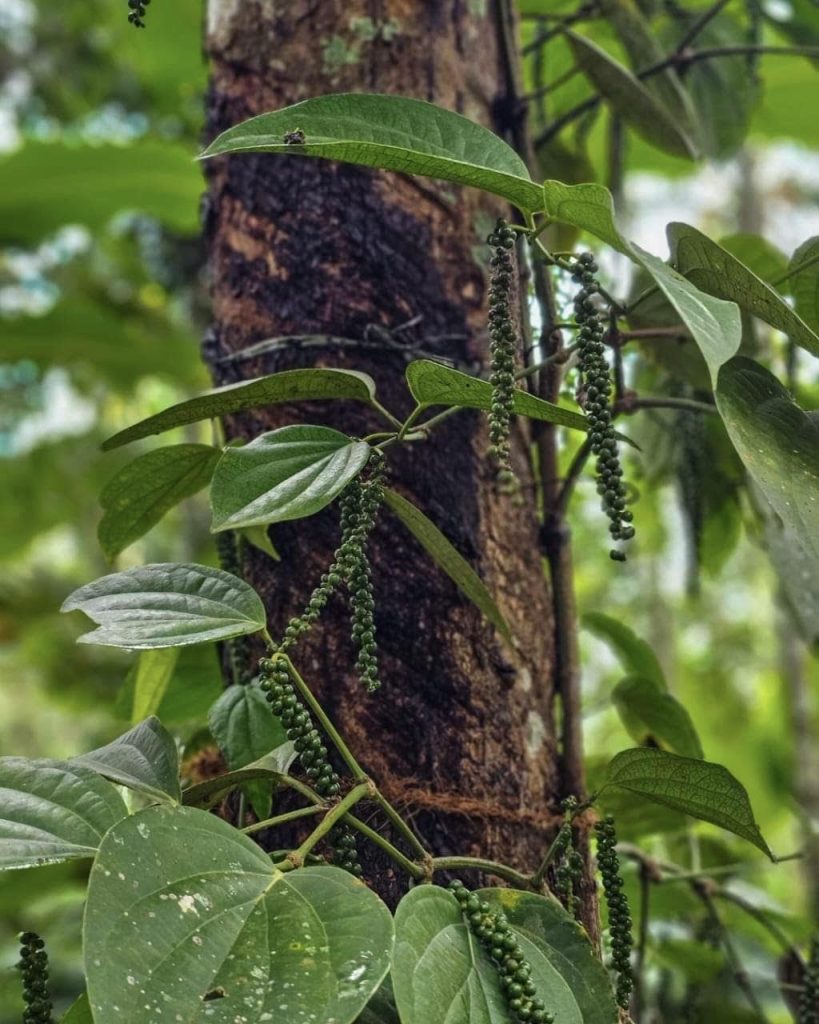
With its favourable agro-climatic conditions, adequate rainfall and fertile soil, Koraput has emerged as one of the most suitable regions in southern Odisha for spice cultivation, particularly pepper, which is witnessing rising demand in domestic as well as global markets.
At present, pepper is being cultivated across seven blocks of Koraput district over nearly 1,550 hectares, with an annual production of about 500 metric tons. Out of this total output, nearly 200 metric tons are being marketed outside Odisha, indicating the growing acceptance of Koraput pepper beyond state boundaries.
Also Read: Minor girl ends life over morphed photo threat in Odisha
Agriculture experts point out that the pepper grown in Koraput has a distinct aroma and quality, making it highly suitable as a raw material for white pepper, which is in strong demand among marketing agencies and exporters in other states.
Among the blocks, Lamtaput leads pepper cultivation with around 550 hectares under the crop, followed by Dasmantpur with 350 hectares. Lakshmipur and Semiliguda blocks have 250 hectares each, while Nandapur accounts for 120 hectares. Smaller cultivation areas are reported from Pottangi with around 20 hectares and Koraput block with nearly 10 hectares.
Farmers are receiving support from the horticulture department in the form of seedlings and subsidies. Additionally, several cultivators have benefitted from land allocation under the Forest Rights Act (FRA), enabling tribal farmers to adopt pepper cultivation on a larger scale.
A senior horticulture official said, “Koraput’s climate is ideal for spice crops like pepper. If farmers are provided with regular technical guidance, irrigation support and strong market linkage, the district can significantly enhance both production and quality.”
Farmers, however, have raised concerns over the lack of adequate incentives and infrastructure. A pepper grower from Lamtaput said, “Pepper cultivation is profitable due to good market prices, but farmers need better incentives, storage facilities and processing units to expand cultivation sustainably.”
The horticulture department has set an ambitious target to expand pepper cultivation to nearly 3,000 hectares in the coming years. To achieve this, the Water Resources division is making arrangements for seed supply and irrigation support.
Currently, the market price of pepper is around Rs 700 per kilogram, encouraging many farmers to shift towards spice cultivation. Agriculture experts and intellectuals believe that proper branding of “Koraput Pepper,” similar to the successful branding of Koraput coffee, could open doors to international markets.
“With focused branding, value addition, skill development and policy support, pepper cultivation can become a major income source for farmers and establish Koraput as a prominent spice-producing district in Odisha,” an agriculture analyst observed.
PNN