
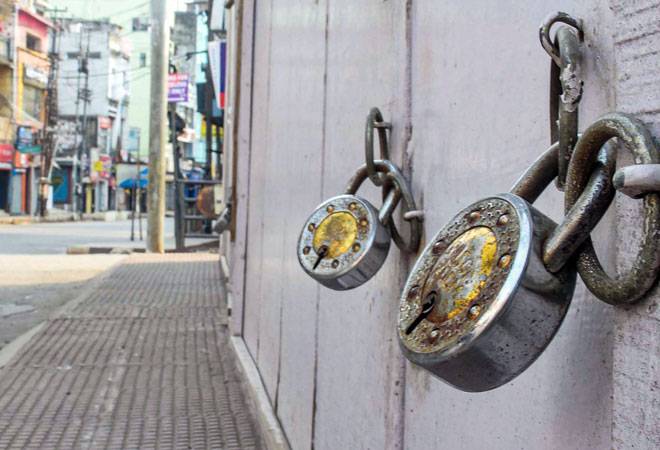
Extension of the lockdown (3.0) by two more weeks has prolonged the uncertainty over economy. This is because the extension will imperil the future of millions of enterprises and put paid to employments across the board. The colour-coding of various districts by the Centre to phase out restrictions has not helped matters either. It has rather complicated the prospect of economic revival, if any. The objective of the national lockdown was to check the spread of the coronavirus. Whether the lockdown has achieved its desired objective is still anybody’s guess. But a cursory glance at the numbers would tell us the situation has worsened. The doubling rate of fresh COVID positive cases in the country is reaching record level. India saw a peak in fresh positive cases and casualty Tuesday. This being the case, we still do not know what the country will achieve by such frequent extensions. Nobody knows how much longer the restrictions will remain in force. The lockdown has already inflicted massive damage on livelihoods of millions of people. There is massive despair in people’s faces. Forget resumption of big industrial activities that employed millions of people, smalltime businesses as a whole have been destroyed.
The principle of gradual easing of lockdown based on colour-coding of the country into green, orange and red zones seems meaningless as the situation is so fluid now. Destruction of economic activities and imminent loss of jobs has blunted consumer demand. The fear for a protracted spell of economic uncertainty has pushed people to hold on to their spending. The revised guidelines issued by the Centre last week are vague and meaningless. Select activities have been allowed in select geographies in a state depending on their colour-coding. Opening up production in one area will not help as there will be lots of supply-chain issues. Opening a plant in a green zone will not serve the purpose if the raw-materials for the plant or the labour force come from a red zone. Interestingly, most of the plants and industrial activities are in red zones. There are lots of anomalies in the guidelines. A neighbourhood standalone store in a red zone can sell non-essential goods while an e-commerce player cannot deliver non-essential goods. There is no guarantee that state governments and district administrations will follow the guidelines in letter and spirit. Lack of coherence and a direction in the guidelines has resulted in affecting the investment climate at a time when India would need lots of capital to reignite economic activities. A series of proactive measures by the Reserve Bank India (RBI) during the nationwide lockdown to make funds available with investors is not helping matters in the ground. Money is not reaching where it should. The health of non-banking financial companies in the country which otherwise catered for the funding needs of small and medium businesses, are themselves in a problem for some time now. Without the government standing guarantee for their debts, banks cannot extend loans to NBFCs. Some sectors like hospitality will need direct support from the government, failing which they will be the worst sufferers of COVID-19. Tourism and hospitality sectors will be longest victims of the virus. Any cut in economic spending by the government will adversely affect economic recovery. Nobel laureate Abhijit Banerjee Tuesday suggested that the Centre should look at providing cash transfer to the bottom 60 per cent of India’s population to help revive the economy.
The government does not seem to be doing enough to address the economic challenges thrown by the pandemic. It has forgotten its role beyond taking radical steps like enforcing the nationwide lockdown to contain the virus. Such approach is causing harm to the economy. The optimal move for the government at this point in time is to take the economic implications of the pandemic into account. Extended lockdown from time to time is not the answer to tame the virus creating unsustainable economic impact. Safety of life is paramount and non-negotiable, but it needs balancing. Vaccine is not far away but the world will see a neo normal post COVID-19. Economic activities must be encouraged, without further delay, even as the battle against the virus continues.