
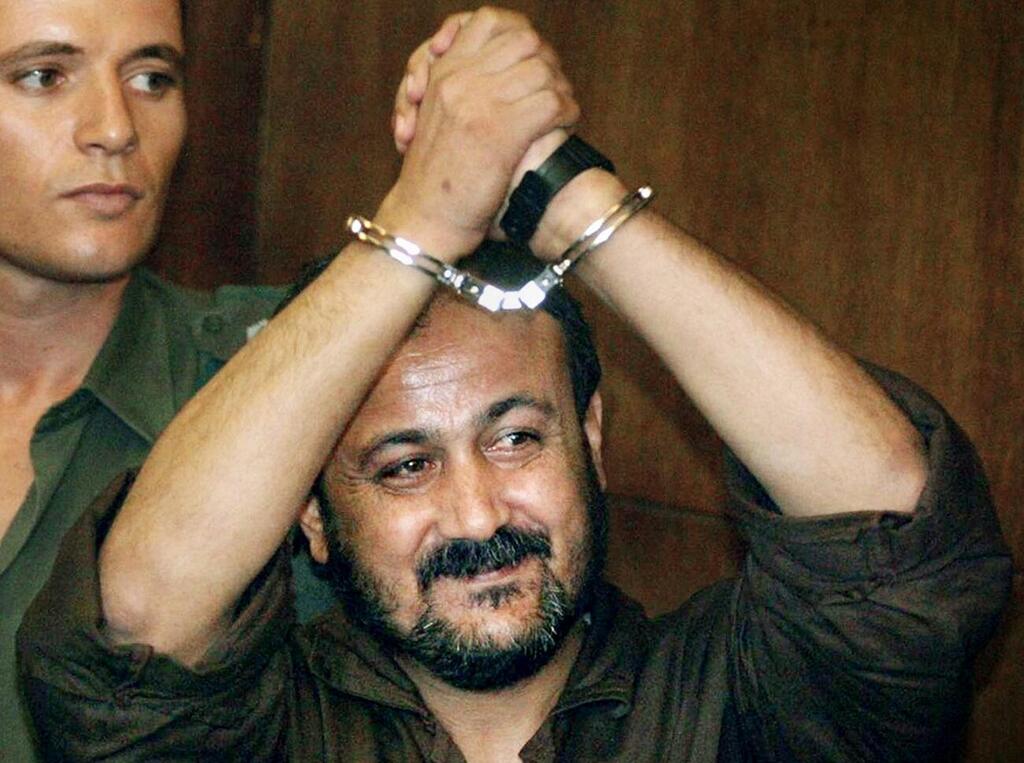
He has already earned the sobriquet of Nelson Mandela of the Arab world. Like the crusader against apartheid, he has also been inside Israeli jails for long years – over two decades till date. There was hope amidst international pressure for his release when a host of Palestinian prisoners were released as assumed in the terms of the recent Israel-Hamas ceasefire deal. But Marwan Barghouti has not been freed. Middle East watchers say Israel is not much afraid of murderers as of Marwan, who has become the rallying point of different factions of Palestinians for the creation of a Palestinian state. Even US President Donald Trump, the architect of the cease-fire, promised he would talk to the Israeli authorities for Marwan’s release, but he is yet to do so. In this backdrop, disturbing reports are emanating from Israel about alleged torture of Marwan inside the prison. The Palestinian Prisoners’ Society (PPS) has even warned of a “dangerous plan” to assassinate Marwan inside Israeli jails, amid allegations of severe assaults and growing international calls for his release.
Marwan, a member of Fatah’s Central Committee and a leading figure in Palestinian politics, was arrested by Israel in 2002 and convicted of murder and attempted murder. He is serving five life sentences and remains widely popular among Palestinians. The PPS has urged the UN and other international organisations to intervene urgently, dispatch a “UN committee” to visit Marwan, examine his conditions in solitary confinement and exert “real” pressure to secure his release and save his life before it is too late. In a post on Facebook, Qassam Barghouti, the son of the imprisoned leader, cited a former prisoner who told him that Israeli forces crushed his father’s body, broke his teeth, ribs and fingers and cut part of his ear inside prison. The Palestinian Presidency condemned what it called “ongoing assaults and dangerous retaliatory measures” targeting Marwan. It called on the international community, human rights organisations and the International Committee of the Red Cross to act immediately and urgently to pressure Israel to halt violations. Marwan is frequently viewed by analysts as a unifying figure capable of rallying Palestinians around a “two-state solution,” particularly amid shifts following Israel’s war in the Gaza Strip. Prime Minister Benjamin Netanyahu’s government continues to oppose the establishment of an independent Palestinian state. It is a fact that attacks by Israeli soldiers have slowed, though not stopped, since the cease-fire came into force.
However, Israeli military operations continue to displace hundreds of families in Gaza. Aid has increased, but Israel is reportedly still blocking vital supplies. Palestinians, though supportive of killers and terrorists as before, now desperately require security, humanitarian relief and reconstruction. But more than that, they need and expect a political solution of Palestinian nationhood which has already won unprecedented international support. After more than two decades in Israeli jails for murder, the charismatic 66-year-old is by far the most popular Palestinian leader, widely regarded as the only figure capable of uniting factions riven by ideology and enmity. He has criticised abuses by the Palestinian Authority and also won respect within Hamas ranks. The belief that Marwan can galvanise Palestinian politics and play a leading part in the formation of a Palestinian state and establishment of lasting peace is spurring the new international campaign for his release. He has taught himself Hebrew and engaged in conversation with Israeli officials. His convictions – in a trial criticised as flawed by legal experts – are for ordering attacks that killed civilians during the second intifada.
Gulf states pushed for him to be among the prisoners released in the ceasefire deal, but Israel vetoed it. With international pressure mounting, some say Israel needs to come to terms with the idea of nationhood for Palestinians. That may not be the only way to establish a durable peace in the Arab world. India’s partition and creation of Pakistan is a great example of neighbours being constantly at a state of war.