

BANDANA SETHI, OP
Bhubaneswar: Odisha’s mineral-rich mining regions are emerging as climate change hotspots, with deforestation, hill cutting, industrial pollution and large-scale land-use changes disrupting ecological balance.
Rising temperatures, erratic rainfall, intense heatwaves and excessive precipitation are further aggravating the crisis, threatening the livelihoods of mine workers, tribal communities and farmers.
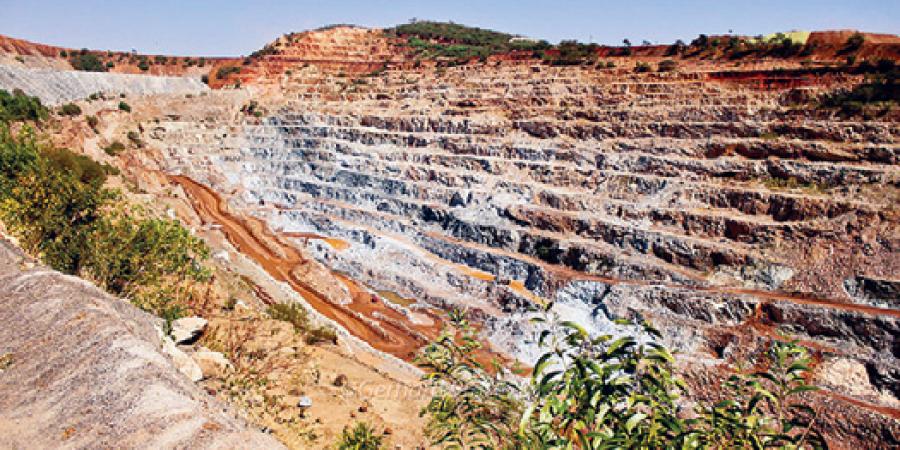
The mining belt of Kaliapani in Sukinda block of Jajpur district, known for its rich mineral deposits, has become a major concern. Of the 22 mines in the area, 10 are operational.
Extensive excavation, hill cutting and forest clearance have severely affected the local ecosystem.
Mining waste discharged into nearby ponds and agricultural fields is damaging crops, while residents report skin diseases and other health problems from using contaminated water.
Toxic wastewater has also allegedly polluted groundwater, exposing people to serious health risks, including kidney diseases. Several deaths have reportedly been linked to such illnesses.
Despite complaints before the National Green Tribunal (NGT), three mega piped-water supply projects have failed to ensure regular safe drinking water in designated villages.
A Central Ground Water Board (CGWB) investigation found chromium contamination in groundwater samples from the Sukinda mining belt.
Of 233 samples examined, 37 collected before the monsoon and 28 after it recorded chromium levels nearly 14 times the permissible limit of 0.05 milligrams.
Groundwater in Chingudipala, Bhimtanagar, Kaliapani, Talangi, Baunsaanta, Sukurangi, Ostapal and Kalarangiatta villages has reportedly been found unfit for consumption.
Hand pumps have been marked with red crosses to warn residents against using the water.
Traditional water sources have also dwindled, with wells that once served almost every household drying up due to extensive mining activities.
Irregular piped-water supplies have forced residents to depend on hand pumps despite official warnings.
The crisis extends beyond drinking water. Contaminated water entering fields has damaged crops, while declining forest cover threatens wildlife habitats and traditional livelihoods.
Villagers also face increasing heat, dust pollution and erratic rainfall. With agriculture, access to forest produce and water security under growing pressure, local communities are bearing the consequences of mining-led environmental degradation.
The situation calls for urgent intervention, effective pollution control and reliable drinking water supplies to protect public health and livelihoods.