
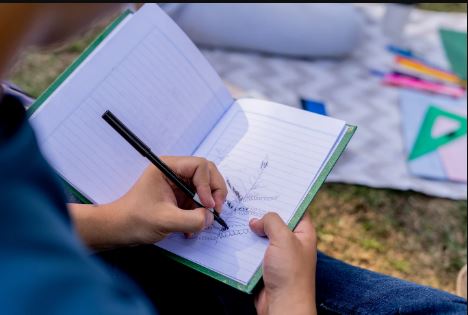
Remember back in 2015 when everyone suddenly owned a colouring book? Those books promising instant stress relief dominated bestseller lists. Today, drawing is having a similar moment. TikTok and Instagram are filled with videos under hashtags like “doo dling”, “sensory drawing” and “art therapy”, The Washington Post reported. The resurgence follows social media’s obsession with nervous system regulation — the body’s ability to respond to stress and return to a calm baseline. “We live in a stress fuleconomic and political climate,” said Reina Lombardi, art therapist and founder of Florida Art Therapy Services.
Smartphones also contribute to dysregulation, she said, using “gamification” design and notifications to arouse the nervous system and keep users engaged. As a result, people are searching for simple, effective ways to get out of a perpetual fight-or-flight mode. And as it turns out, spending just 10 minutes with a pencil and a piece of paper might be one of the easiest ways to do it, she said. When stress activates the sympathetic nervous system, or fight-or-flight response, heart rate, muscle tension, blood pressure and stress hormones such as cortisol increase, said Soma Sengupta, neurologist in chief and chair of neurology at Tufts Medical Center. Drawing can shift attention away from stressful thoughts and encourage activation of the parasympathetic, or “rest and digest”, system, Sengupta said. It engages coordinated movement, vision, attention and decision-making, creating a calming sensory experience and constructive focus.
Drawing requires concentration on shapes, colours, lines and hand movements, while coordinating the eyes, hands and motor-planning regions of the brain. This anchors attention in the present and may reduce worry and overthinking. It also strengthens sensory awareness, which some research suggests may reduce anxiety and promote relaxation. Visual art provides a nonverbal way to express emotions through images, colours, patterns or symbols, potentially helping people understand and regulate emotional experiences. Completing a drawing can also activate the brain’s reward system, producing modest releases of dopamine associated with motivation, satisfaction and positive reinforcement. You don’t have to create a masterpiece. “The calming effects [of drawing] appear to result primarily from sustained attention, repetitive movement and engagement with the creative process,” Sengupta said. Lines, squiggles and geometric shapes can provide similar benefits. There’s little research on how long you should draw. A small 2016 study in Art Therapy found that 45 minutes of art-making reduced participants’ cortisol levels. Sengupta said even a brief creative practice — just 10 minutes — is long enough to interrupt the body’s stress response; five to 20 minutes may interrupt racing thoughts, reduce immediate stress and improve mood.
Orissa POST – Odisha’s No.1 English Daily