
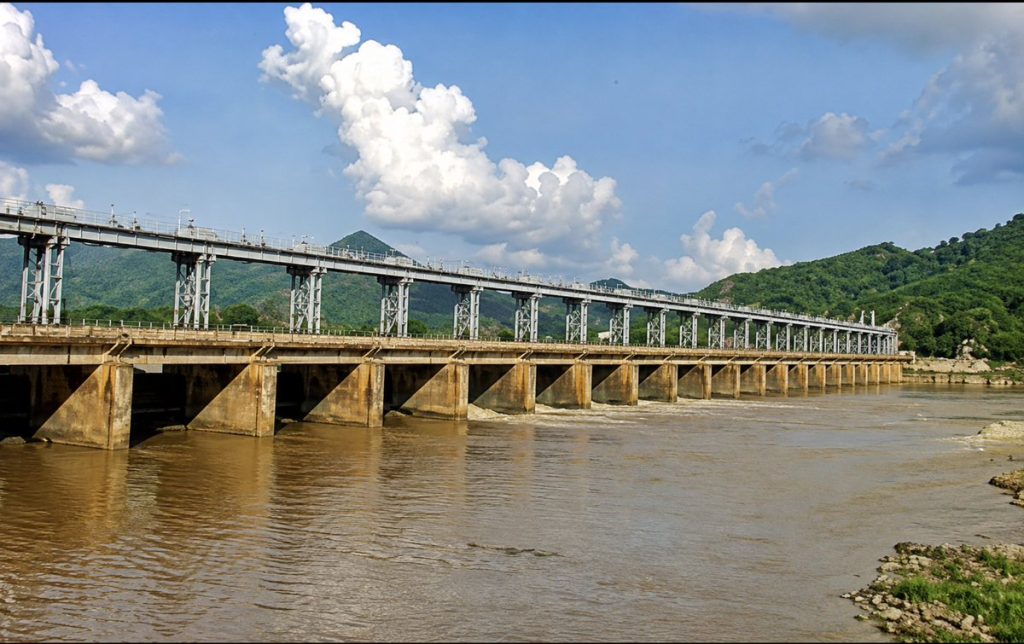
Bhubaneswar: The Dandakaranya Vikasha Mahamancha (DVM) has urged Chief Minister Mohan Charan Majhi to immediately halt the reported process of identifying and transferring 106 acres of state government land to Andhra Pradesh (AP) for the proposed Neradi Barrage Project on the Vansadhara River.
In a letter to the CM, the civil society organisation expressed concern over the reported move and sought an immediate freeze on the land transfer process, citing the long-term implications for the state’s land and water resources. The intervention comes ahead of a scheduled joint verification of the proposed site by officials from Odisha and AP.
The outfit has demanded that the exercise be put on hold until a comprehensive and transparent reassessment of the project and its implications is undertaken. The organisation said the issue goes beyond the transfer of 106 acres of land and has wider implications for state’s water resources, agricultural activities and the livelihoods of communities dependent on the Vansadhara River system.
The outfit also referred to concerns raised in proceedings before the Supreme Court regarding the potential for backwater and waterlogging impacts associated with the project. It further pointed out that multiple Special Leave Petitions filed by Odisha are pending before the Apex Court.
The organisation appealed to the state government to ensure that no irreversible decision is taken while the legal and technical issues surrounding the project remain under consideration. Recalling the ruling government’s commitment to safeguarding Odia Asmita, the Mahamancha said the principle should also be reflected in the protection of state’s land and natural resources.
Dandakaranya Vikasha Mahamancha president Gouro Chandro Tripathy urged the CM to intervene immediately and reconsider the proposed land transfer. “I appeal to you to stop the process now, examine the matter afresh and protect Odisha’s interests before taking any irreversible step,” Tripathy said, cautioning that failure to do so could have serious implications for the state’s long-term interests.