
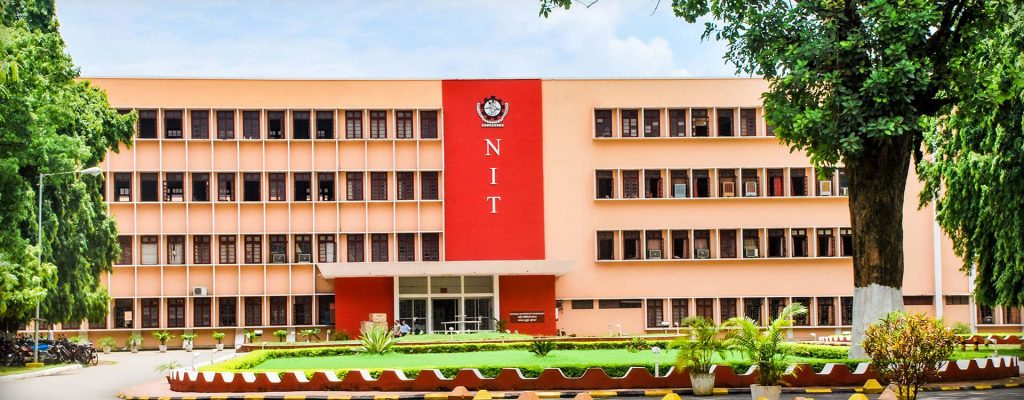
New Delhi/Raurkela: Researchers at NIT Rourkela have developed an electrochemical process to extract struvite, a slow-release phosphate mineral fertiliser from human urine, offi cials said. Published in the prestigious Journal of Water Process Engineering, the research offers solutions to challenges such as waste disposal and resource conservation.
Phosphorus is a nutrient required for plant growth and is one of the three main components of Nitrogen-Phosphorus-Potassium (NPK) fertilisers, which are commonly used by farmers to improve crop growth and soil fertility. Manufacturing of these fertilisers consumes large amounts of energy and is expensive. An alternative to this is recovering phosphorus and nitrogen from waste materials instead of producing them entirely through industrial processes. Scientists have previously explored various methods to recover nitrogen and phosphorus from human urine. One such method is chemical precipitation, in which chemicals are added to urine to separate and collect nutrients in solid form. However, this method requires the continuous addition of alkaline chemicals and external magnesium salts, increasing operational costs and chemical consumption.
“Our electrochemical process offers a sustainable and chemical-free route for nutrient recovery. By using a sacrificial magnesium anode, we can generate the required magnesium ions in situ, eliminating the need for external chemical addition and enabling precise control over the precipitation process. “This makes the technology compact, modular, and well-suited for decentralised nutrient recovery,” said Balasubramanian, Associate Professor, Department of Biotechnology and Medical Engineering, National Institute of Technology (NIT) Rourkela.