By ARINDAM GANGULY, OP
Bhubaneswar: A total of 6,891 candidates are contesting the Odisha student union elections scheduled for October 15, according to the latest data released by the Higher Education Department as of 7.30 pm October 12, even as nomination disputes, protests and cancellations at several colleges have cast a shadow over the electoral process.

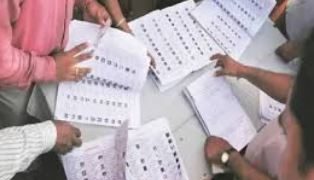
Of the 8,785 candidates who filed nominations across 359 higher education institutions, 1,216 were rejected during scrutiny and 443 withdrew their candidature, leaving 6,891 candidates in the contest. The data includes 6,533 candidates from 346 colleges and 358 candidates from 13 universities.
According to the department’s figures, colleges received 8,334 nominations, of which 1,161 were rejected. The remaining 7,173 nominations were found valid after scrutiny. Following the withdrawal of 405 candidates, 6,533 contestants remain in the fray across colleges. At universities, 451 candidates filed nominations.
Of these, 55 were rejected, leaving 396 valid nominations. Another 38 candidates withdrew, bringing the number of contestants to 358. The election process has been marked by protests over rejected nominations and decisions to cancel polls at several institutions.
In Sambalpur, protests erupted at Netaji Subhas Chandra Bose College after the final candidate list was published. Students alleged that nominations had been rejected unfairly, while the college administration maintained that scrutiny was conducted according to prescribed criteria. At Nimapara Autonomous College in Puri district, students also protested after a large number of nominations were reportedly rejected.
Protesters questioned the application of attendance requirements, while college authorities cited eligibility and procedural issues. Ravenshaw University in Kataka witnessed protests over the rejection of an Independent candidate’s nomination for the president’s post. Similar allegations were reported at Shailabala Women’s Autonomous College and Christ College in Kataka.
The developments have raised concerns over whether elections can be conducted peacefully and consistently across participating institutions. The controversy has also taken a political turn, with the Biju Janata Dal (BJD) accusing the ruling Bharatiya Janata Party (BJP) of attempting to influence student elections.
The BJD has raised questions over an alleged audio recording involving staff members of Rama Devi Women’s University and demanded an inquiry into claims concerning access to confidential student records and possible attempts to influence the election process.
The BJP has rejected the allegations, questioning the authenticity of the recording and accusing the BJD of politicising the issue. The claims surrounding the recording have not been independently verified.
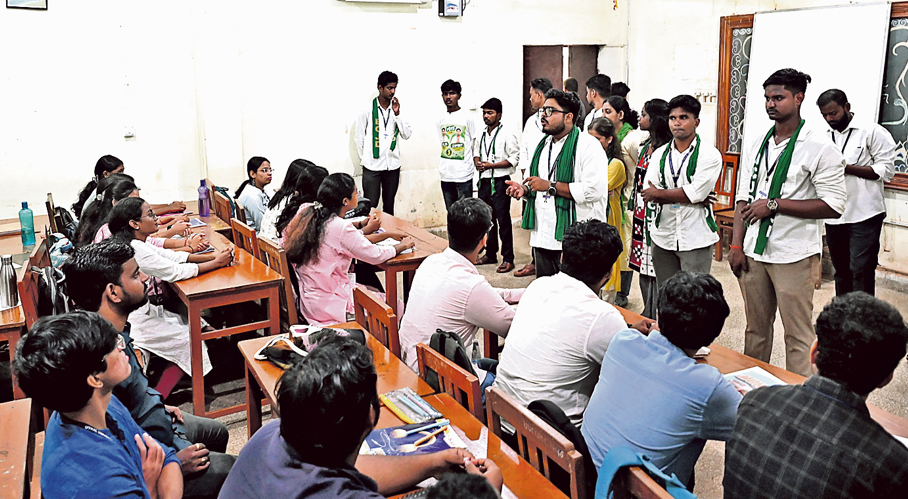
Meanwhile, student organisations, including the Akhil Bharatiya Vidyarthi Parishad (ABVP), Biju Chhatra Janata Dal (BCJD) and National Students’ Union of India (NSUI), have intensified their campaigns, with hostel facilities, campus security, infrastructure and student welfare featuring prominently in their promises.
The elections are returning after the last student union polls were held in 2017. The exercise was subsequently suspended amid concerns over campus violence and disruption of academic activities. Polling will take place from 8 am to 2 pm October 15.
Candidate dates are scheduled to participate in ‘What I Stand For’ meetings October 14, while newly elected representatives are expected to take the oath October 16.