Odisha News, Odisha Latest news, Odisha Daily - OrissaPOST
  • Home
  • Trending
  • State
  • Metro
  • National
  • International
  • Business
  • Feature
  • Entertainment
  • Sports
  • More..
    • Odisha Special
    • Editorial
    • Opinion
    • Careers
    • Sci-Tech
    • Timeout
    • Horoscope
    • Today’s Pic
  • Video
  • Epaper
  • News in Odia
  • Home
  • Trending
  • State
  • Metro
  • National
  • International
  • Business
  • Feature
  • Entertainment
  • Sports
  • More..
    • Odisha Special
    • Editorial
    • Opinion
    • Careers
    • Sci-Tech
    • Timeout
    • Horoscope
    • Today’s Pic
  • Video
  • Epaper
  • News in Odia
No Result
View All Result
OrissaPOST - Odisha Latest news, English Daily -
No Result
View All Result

Payroll costs in India: What businesses need to know before hiring

Updated: May 31st, 2022, 16:21 IST
in Business
0
Share on FacebookShare on TwitterShare on WhatsAppShare on Linkedin

India has long been a hotbed for companies seeking to expand into growing markets. The country’s relatively youthful population coupled with high levels of education and familiarity with English makes it a great option for recruiting skilled employees.

Online there are numerous resources offering detailed information on Indian payroll taxes and employer obligations. In this article, we will summarize and highlight all relevant information that employers must know before hiring people in India.

Also Read

PM Modi on phone

Venezuela’s acting president Rodriguez dials PM Modi, agrees to take bilateral ties to new heights

14 hours ago
Odisha Assembly

Odisha Assembly Budget session to begin February 17

16 hours ago

Payroll Contributions

Employers in India are taxed via two methods. The first imposes a total employment cost of 16.75%. The Employee’s Provident Fund or Pension Scheme accounts for 12% of this sum, with this contribution mandatory for companies with more than 20 employees and a maximum monthly salary of 15,000 INR.

The remaining 4.75% is accounted for by the Employee’s State Insurance, also compulsory for employers with more than 10 employees. The second method levies 17.75% as total employee costs. The Provident Fund once again accounts for 12% but the State Insurance is 1.75%. The remaining 4% is charged towards a Health and Education Cess, levied on the amount of income tax plus surcharge.

Employees pay taxes based on their income, with slabs topping out at an annual salary of 1,000,000 INR (10 lakh INR.) Those earning less than INR 250,000 do not pay taxes while those earning up to 500,000 INR pay 5%. People earning up to 1,000,000 INR pay 20%, and those earning more than this figure pay 30%.

India levies VAT at 18% and 12%. The reduced VAT rate is 5%.

Wages and Payroll Cycles

Minimum wages in India are fixed by state governments. Typically, this is a complex task that involves categorizing modes of employment and job functions for unskilled workers. Each job is then given a particular minimum wage that employers must adhere to.

Wages are paid monthly in India with salaries typically paid on the 28th of each month. A 13th salary is usually mandatory and is paid as a percentage of the annual salary. This amount is paid within 8 months of the end of the financial year.

Working Hours and Leave

India follows a standard workweek of 48 hours, with each day extending up to 9 hours. All work conducted for more than 48 hours counts as overtime and is compensated at 200% of regular pay rates.

Paid time off periods are set in employee contracts, and workers are entitled to a minimum of 15 days of paid leave per year after completing 240 days of employment. Usually, the number of days and leave carryovers are stipulated in the employee’s contract. All requests must be applied for at least 15 days before the beginning of the leave period and must be approved by the employer and the manager in charge of the applicant.

Employees who have completed three months of service are entitled to 15 days of sick leave per year and must provide medical proof within 48 hours of the first day of sickness. Sick pay is fixed at 70% of regular pay. Expectant mothers are eligible to receive their full salary for 26 weeks for their first 2 children.

This period decreases to 12 weeks for subsequent children. Employees must have completed at least 80 days in the preceding 12 months before the due date to be eligible for these benefits. Government employees are eligible for 15 days of paternity leave but no such laws exist in the private sector. There are no statutory laws on parental leave either.

All other leaves are set by respective state governments.

Employee Work Eligibility and Termination

India offers a business visa and an employment visa. A business visa allows an employee to visit India for up to six months and conduct business for a foreign company. An employment visa is needed for foreigners looking to work in the country for more than six months. The term lasts for five years and can be extended.

Those with an employment visa can live and work in India on a more permanent basis. All applications must be made in the applicant’s country of residence. India follows a standard termination process, with notice periods in place to minimize disruption.

A notice period is not necessary if the employer can provide cause for dismissal such as misconduct, disobedience, lack of skill, neglecting duties, or unsanctioned absences. The notice period is typically 30 days.

Severance pay in India depends on the terms of the employee’s contract, their position, and the reason for termination. New employees typically have probation periods between six to eight months.

Comprehensive Rules

India follows the global pattern of setting comprehensive employment rules and assists employers in complying with them. Businesses looking to hire local talent will find that the laws assist them in their goals.


ShareTweetSendShare
Suggest A Correction

Enter your email to get our daily news in your inbox.


OrissaPOST epaper Sunday POST OrissaPOST epaper

Click Here: Plastic Free Odisha

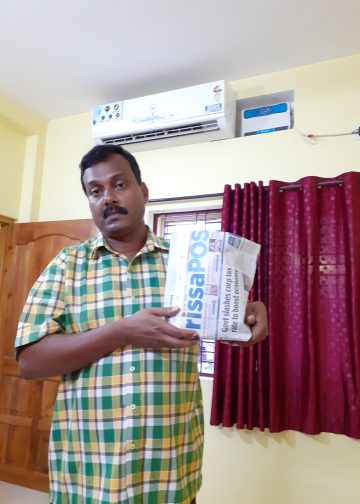
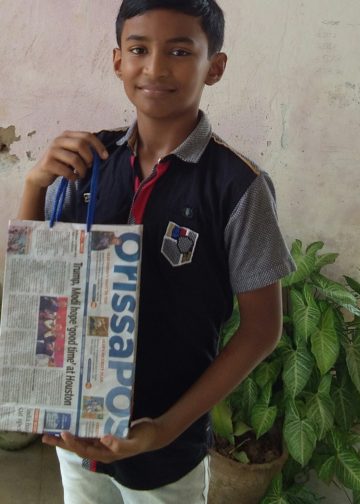
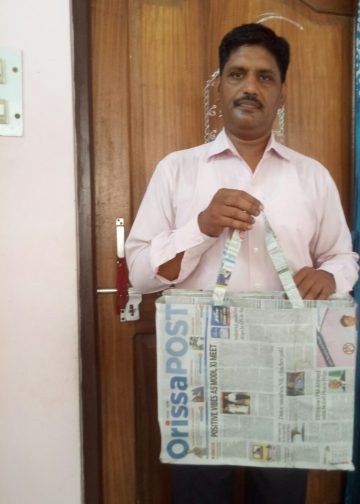
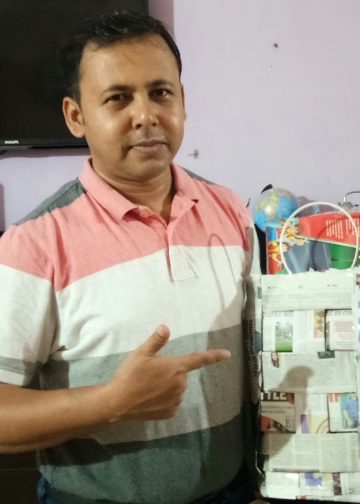
#MyPaperBagChallenge

Vandana Singh

December 12, 2019
#MyPaperBagChallenge

Geetanjali Patro

December 12, 2019
#MyPaperBagChallenge

Anasuya Sahoo

December 12, 2019
#MyPaperBagChallenge

Pragyan Priyambada

December 12, 2019
#MyPaperBagChallenge

Sarmistha Nayak

December 12, 2019
#MyPaperBagChallenge

Ramakanta Sahoo

December 12, 2019
#MyPaperBagChallenge

Priyasha Pradhan

December 12, 2019
#MyPaperBagChallenge

Debasis Mohanty

December 12, 2019
#MyPaperBagChallenge

Swarit Praharaj

December 12, 2019
#MyPaperBagChallenge

Pitabas Tripathy

December 12, 2019
#MyPaperBagChallenge

Faiza Firdous

December 12, 2019
#MyPaperBagChallenge

Saishree Satyarupa

December 12, 2019
#MyPaperBagChallenge

Ramakanta Sahoo

December 12, 2019
#MyPaperBagChallenge

Chinmay Kumar Routray

December 12, 2019
#MyPaperBagChallenge

Matrumangal Jena

December 12, 2019
#MyPaperBagChallenge

Adrita Bhattacharya

December 12, 2019
#MyPaperBagChallenge

Akriti Negi

December 12, 2019
#MyPaperBagChallenge

Diptiranjan Biswal

December 12, 2019
#MyPaperBagChallenge

Aman Kumar Barisal

December 12, 2019
#MyPaperBagChallenge

Amritansh Mishra

December 12, 2019
#MyPaperBagChallenge

Tapaswini Mallick

December 12, 2019
#MyPaperBagChallenge

Manas Samanta

December 12, 2019
#MyPaperBagChallenge

Sisirkumar Maharana

December 12, 2019
#MyPaperBagChallenge

Lopali Pattnaik

December 12, 2019
#MyPaperBagChallenge

Adweeti Bhattacharya

December 12, 2019
#MyPaperBagChallenge

Rajashree Manasa Mohanty

December 12, 2019
#MyPaperBagChallenge

D Rama Rao

December 12, 2019
#MyPaperBagChallenge

Smitarani Sahoo

December 12, 2019
#MyPaperBagChallenge

Aishwarya Ranjan Mohanty

December 12, 2019
#MyPaperBagChallenge

Archit Mohapatra

December 12, 2019

Archives

Editorial

Strategic Punch

Silent Shift
January 31, 2026

By Dilip Cherian Three hours is barely enough time for a working lunch in New Delhi. Yet when UAE President...

Read moreDetails

Another Leak

January 28, 2026

Invariably US President Donald Trump says one thing and means something completely different has, by now, become clear to the...

Read moreDetails

Republic of India

Indian Flag
January 26, 2026

We are aware how, once the month of January gets over, the rest of the year flies past in the...

Read moreDetails

Legal Apartheid

Aakar Patel
January 25, 2026

By Aakar Patel This week, Rajasthan is set to pass a segregation law modelled after one in Gujarat. It is...

Read moreDetails
  • Home
  • State
  • Metro
  • National
  • International
  • Business
  • Editorial
  • Opinion
  • Sports
  • About Us
  • Advertise
  • Contact Us
  • Jobs
Developed By Ratna Technology

© 2025 All rights Reserved by OrissaPOST

  • News in Odia
  • Orissa POST Epaper
  • Video
  • Home
  • Trending
  • Metro
  • State
  • Odisha Special
  • National
  • International
  • Sports
  • Business
  • Editorial
  • Entertainment
  • Horoscope
  • Careers
  • Feature
  • Today’s Pic
  • Opinion
  • Sci-Tech
  • About Us
  • Contact Us
  • Jobs

© 2025 All rights Reserved by OrissaPOST

    • News in Odia
    • Orissa POST Epaper
    • Video
    • Home
    • Trending
    • Metro
    • State
    • Odisha Special
    • National
    • International
    • Sports
    • Business
    • Editorial
    • Entertainment
    • Horoscope
    • Careers
    • Feature
    • Today’s Pic
    • Opinion
    • Sci-Tech
    • About Us
    • Contact Us
    • Jobs

    © 2025 All rights Reserved by OrissaPOST