
By Arindam Ganguly, OP
Bhubaneswar: The Higher Education Department, in a notification issued Monday, announced the schedule for elections to students’ unions and other student societies in state public universities, government degree colleges, and non-government aided degree colleges for the 2026–27 academic session.

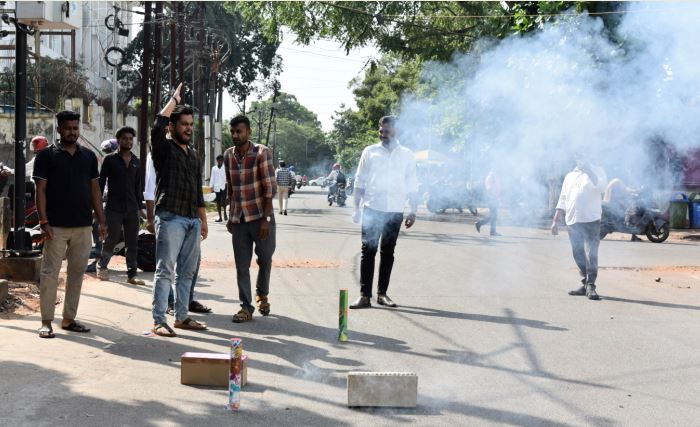
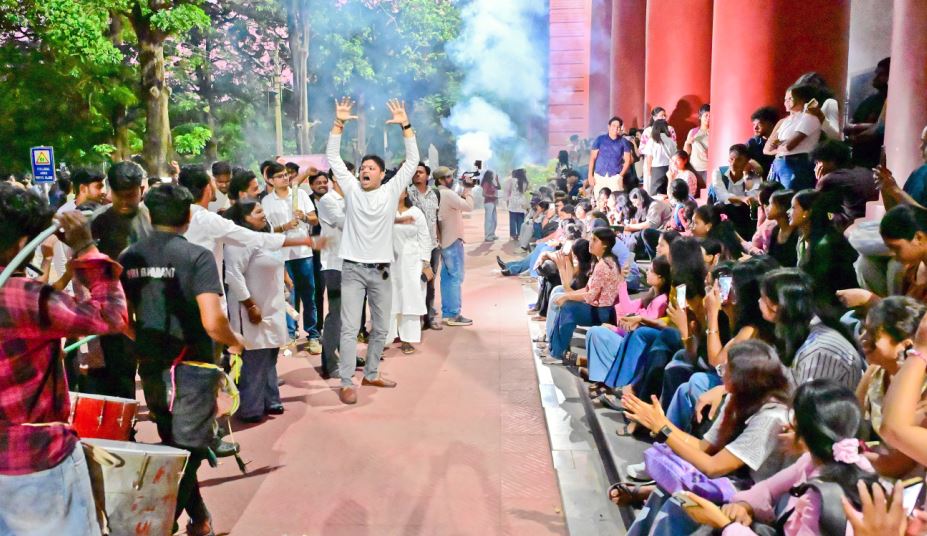
However, the announcement has triggered a mix of excitement, anticipation, and cautious optimism among students, former student leaders, and youth organisations. While many students see the elections as an opportunity to learn leadership, participate in democracy, and raise issues directly with college authorities, student organisations have flagged concerns over the compressed election schedule and the need to keep the process peaceful and issue-based. The last regular statewide students’ union elections were held in 2017.
For many, the significance of the announcement goes beyond simply electing office-bearers. Swikruti Mishra, a former student of Rama Devi Women’s University and its last presidential candidate, recalled the disappointment following the cancellation of earlier elections. “Our hearts were broken after the cancellation, but when we heard the news today, it felt like a new era of leadership had started. Students will become confident by taking up leadership responsibilities, learning public speaking and grassroots leadership. I thank the government for this decision,” she said.


Anandita Mishra, a student of BJB College, viewed the elections as an important lesson in democratic participation. “Student elections are not just about choosing a leader; they are about choosing the future of our system. It is the first laboratory of democracy where a young mind learns leadership, responsibility, accountability, and respect for others’ opinions,” she said. She added that BJB College, a key centre of student politics in Odisha, is already witnessing heightened activity among student groups.

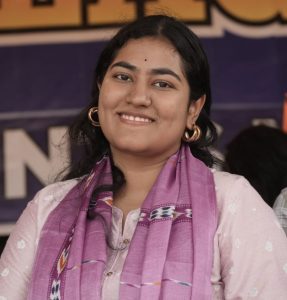
Raj Kumar Parida, a student of Utkal University, said, “For the last eight years, we have been waiting for this day, and we are extremely happy that student union elections will finally be held on our campus. Many times, the previous government had stopped the elections for its own interests. Now, we have the opportunity to contest elections again, raise our issues and fight for our rights through democratic means.”


Diksha Dash, a student of RD University, said, “Campus elections are a very important part of college life. They teach students valuable lessons in leadership, teamwork, communication and managing people.” “We have been missing this opportunity for many years, and now we finally have the chance to experience and learn from the democratic process once again,” she added.


Youth activist Sunil Kumar Mishra welcomed the decision as an important step toward strengthening democratic participation. “After a long gap of eight years, I sincerely thank the Odisha govt for reintroducing student union elections. This is not merely an election — it is an important platform for students’ democratic rights, freedom of expression, participation, and leadership development. Today’s students are tomorrow’s administrators, academicians, entrepreneurs, social workers, and leaders,” he stated. Meanwhile, political student organisations welcomed the return of elections but raised concerns over the tight timeframe.


Bibhuti Bhushan Mohapatra, Odisha NSUI president, said his organisation had been demanding student union elections since 2017 and had met the Education Minister regarding the matter. However, he questioned the decision to complete the process within seven days. “The government has chosen to conduct the election within just seven days, which gives very little time for students to prepare and participate effectively. Despite the limited time, we have accepted the challenge and will fight this election with full strength,” he said.

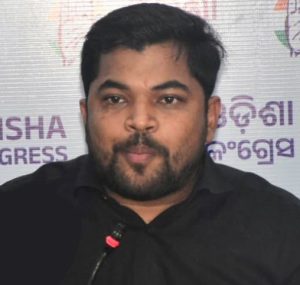
BCJD president Ipsita Sahoo also noted that the short timeframe is a challenge but confirmed her organisation is prepared. She stated that student groups would focus on safety for women in educational institutions and hostels, faculty appointments, infrastructure development, and student welfare.

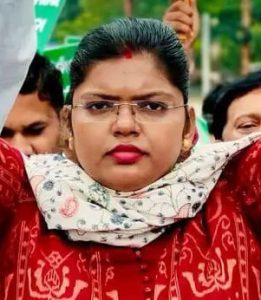
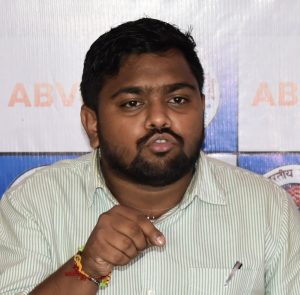
ABVP’s Biswajeet Patra described the resumption as a victory for student power, noting that it will ensure students’ rights and concerns are properly represented.