
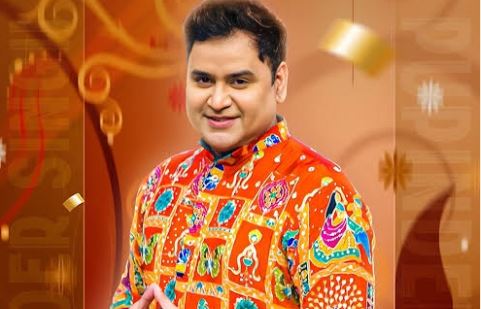
By Arindam Ganguly, OP
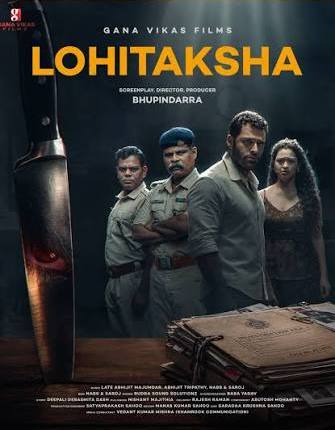
A familiar face in Odia cinema, Bhupindarra has appeared in several popular films, including Jaggu Autowala, Samaya Bada Balban (New), Raghupati Raghaba Rajaram, Daha Balunga, Thukool and To Bina Bhala Lagena. With Lohitaksha, released October 23, he has embarked on a new chapter as a Hindi-film director.
The crime psychological thriller sees Bhupindarra take on multiple responsibilities as writer, director, producer and actor. The film brings together performers from Bollywood and the Odia film industry against the backdrop of Odisha. Here’s what Bhupindarra has to share with Sunday POST on his directorial debut and other subjects.
Sunday POST: After a long journey as an actor in Odia cinema, you are making your directorial debut in Hindi with Lohitaksha. What inspired you to take this leap?
Bhupindarra: It is a very emotional moment for me. I have always believed that the Odia film industry is full of talent. We have extremely talented actors, technicians and filmmakers, many of whom have also worked in Bollywood. We are hardworking, but sometimes we lack confidence and underestimate our capabilities. Despite limited budgets, we manage to make films that other industries might find difficult to produce under similar circumstances. I began my career in Mumbai but found my home in Odia cinema. With Lohitaksha, my aim was to make a Hindi film that retains the flavour, culture and sensibilities of Odisha.

SP: Why did you choose Hindi cinema for your directorial debut instead of starting with an Odia film?
Bhupindarra: I had produced films earlier but had to step back after facing setbacks. Later, some producers encouraged me to consider a sequel to Jaggu Autowala. However, the idea gradually evolved into a thriller. We felt we could make an engaging Hindi film on a modest budget while introducing Odisha’s flavour to a wider audience. I am fortunate to have worked with talented actors such as Siddhant Issar, Apsara Rani and Kamlesh Sawant. The making of Lohitaksha was also emotionally challenging, as I lost my mother during post-production. Completing the film became deeply personal.
SP: How important was it to bring together artistes from Bollywood and the Odia film industry?
Bhupindarra: It was crucial to create a film that connects with audiences beyond one region. Odisha has artists capable of working at a national level. Collaborating with actors from different backgrounds brings unique perspectives. My intention was to make a compelling Hindi thriller rooted in Odisha’s identity.
SP: What needs to change for Odia cinema to gain wider national recognition?
Bhupindarra: Mumbai has many talented technicians from Odisha working in sound, cinematography and editing. Unfortunately, many leave the state to find professional opportunities. We need to create more opportunities within Odisha and build greater confidence in our abilities. I hope Lohitaksha inspires people from the state to think beyond conventional boundaries and take risks.
SP: What lies ahead?
Bhupindarra: My immediate focus is on taking Lohitaksha to more cities. I definitely intend to explore more projects, including directing an Odia film in the future.
PNN