
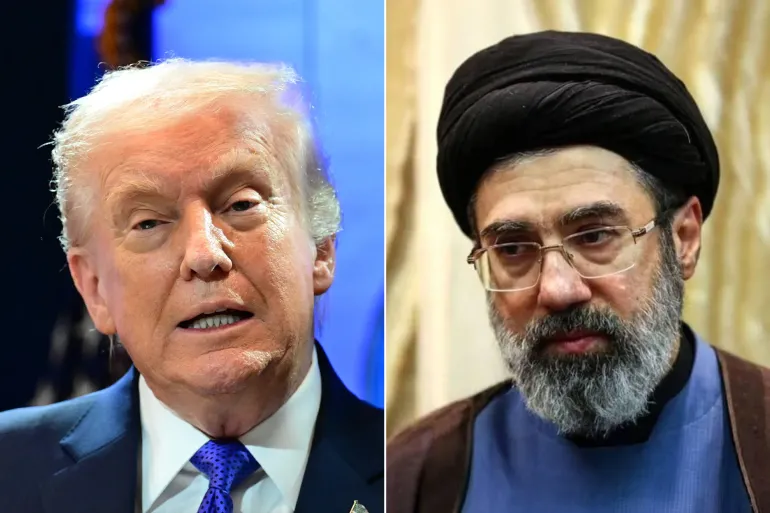
After numerous hiccups, threats and counter-threats exchanged between US President Donald Trump and Iran’s top leadership, the US and Iran agreed 22 June on a roadmap toward reaching a deal to end the war within 60 days. The mediators – Pakistan and Qatar – said so in a joint statement following the first day of talks between the two sides in Switzerland. Tehran endorsed the claim, stating the negotiations made “major progress.”
A High Level Committee set up for the purpose has agreed on a path towards reaching a deal, laying the foundation for immediate commencement of further technical talks. The committee was established to oversee the talks, which will continue throughout this week. This has come after clashing reports from US and Iran during a rocky first day of negotiations. The talks aim to reach an agreement on sensitive topics such as Iran’s nuclear programme.
Problem is that Israel, which began the war against Iran with US backing, has been kept out of the negotiations as its Prime Minister Benjamin Netanyahu has been trying to torpedo any deal that the two sides may clinch. On one hand, Iran is insistent that there can be no peace deal if Israel continues its attacks on Lebanon. On the other, Israel is in no mood for peace as it continues bombing Lebanon and threatening any hope of the war ending. All three parties embroiled in the war – the US, Israel and Iran – are being propelled by the compulsions of their respective domestic politics for which the much-awaited peace process is getting derailed. Even as top leaders of the US and Iran started negotiations in Switzerland, US President Trump couldn’t stop talking about bombing out Iran if the latter scuppered the peace plan. Iran answered with equal belligerence.
Meanwhile, Israel has not vacated areas of Lebanon it has occupied and issued threats of renewing its attacks on Lebanon if Hezbollah – Iran’s proxy – fires missiles targeting Israel. It appears Trump with his posturing, is merely trying to mollify his critics who say the deal is heavily tilted in favour of Iran, while all the stated objectives of the US for going to war remain unfulfilled. Yet, he knows he cannot resume the war with Iran as his party will face the deeply disillusioned electorate opposed to the war in the mid-term elections in November. Peace is his top priority at the moment, and his threats appear to be intended to barely maintain the image of a mighty aggressor so as to retain his self-respect and support base.
At the same time, Israeli PM Netanyahu, who will also have to face the electorate for a fresh mandate by October, has failed to live up to his word given to his people that he would effect a regime change in Iran and destroy once and for all Iran’s nuclear programme. War is his only weapon for political survival and avoiding a possible jail term for alleged corruption. However, Trump has been forced to restrain him in his war campaign. Iran is sitting pretty, defeating the formidable war machine of the US-Israel combine with the help of cheap missiles, drones and weaponizing the Strait of Hormuz while making the rest of the world gasp for want of petroleum and gas.
Confusing information is circulating on the question of keeping the Strait open. The US diplomats said discussions have focused on “clarifying some of the confusing messaging from Iran” on this score. Iranian state media claimed that Tehran had closed the Strait in response to Israeli actions in Lebanon, while the US has insisted that the channel remains open. Shipping data showed, however, that the number of ships that passed through the Strait fell sharply on 21 June. Five vessels passed the Strait on that day compared to 26 ships spotted a day earlier. The statement from mediators said the United States and Iran agreed to set up a “communication line” to avoid incidents in the Strait. By all accounts, it appears peace in the Middle East is tricky.