Bhubaneswar: Tamil Nadu CM C Joseph Vijay’s announcement of providing 200 units of free electricity has triggered a wider political and economic debate across the nation, with Odisha’s electricity and welfare policies coming under increasing scrutiny.
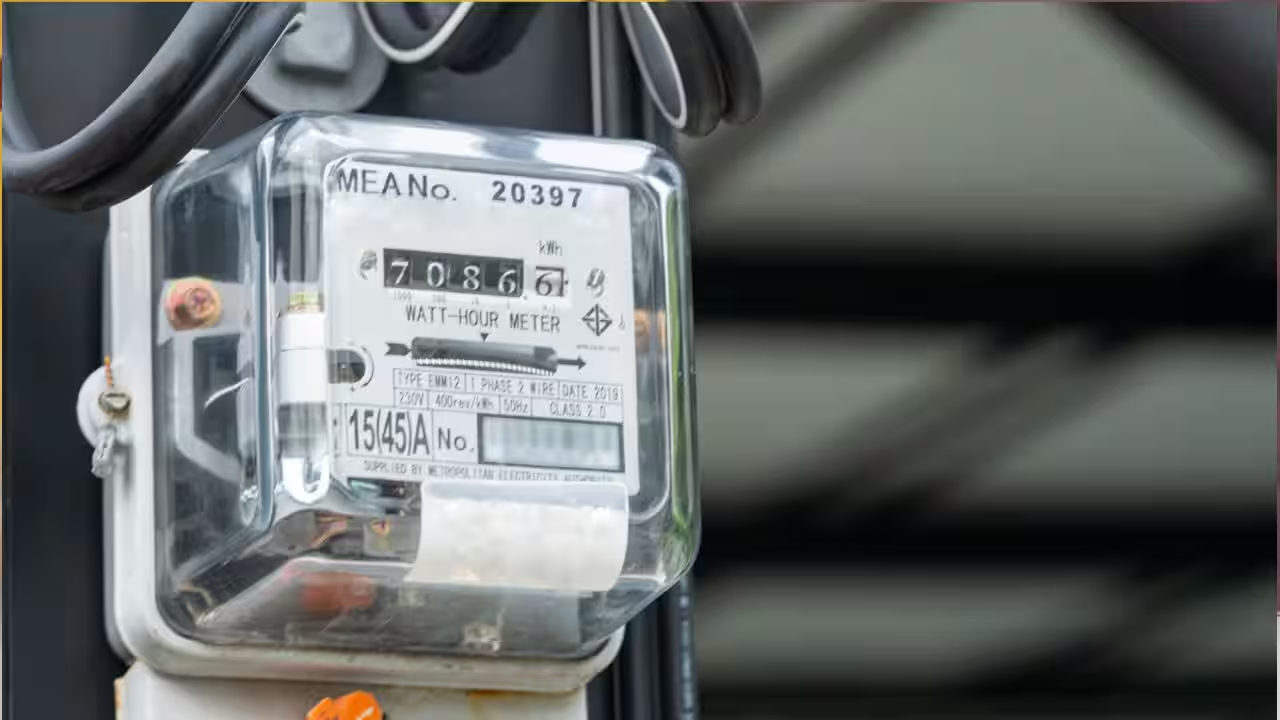
Vijay, immediately after taking office as CM, declared that eligible households would receive 200 units of electricity free of cost.


Earlier, the state had been offering subsidised electricity, but the latest decision marks a transition toward a broader free power scheme.
This development has reignited criticism in Odisha, where consumers continue to pay regular electricity tariffs without any universal domestic free power scheme.
Critics have questioned why the state still remains among the few that have not implemented large-scale subsidised or free electricity programmes despite growing discussions around welfare-driven economic growth.
Power analyst Anand Mohapatra has criticised Odisha’s economic policy framework, arguing that policymakers have failed to understand how affordable electricity can improve agriculture, encourage entrepreneurship, and strengthen household economic stability.
Free electricity for agriculture could attract more people toward farming and improve rural livelihoods, while low-cost electricity at the household level could help young people gain technical skills, access digital resources, and build small businesses, he said.
The issue was also raised in the Odisha Legislative Assembly recently, where Energy Minister Kanak Vardhan Singh Deo informed the House that the state government currently has no scheme to provide 300 units of free electricity to households.
Also Read : Tamil Nadu’s free power scheme sparks fresh debate in Odisha
The Minister clarified that the state is promoting rooftop solar power installations under PM-Surya Ghar: Muft Bijli Yojana.
“Under the scheme, households can generate up to 300 units of electricity per month through solar energy systems,” the minister said.
Commenting on the issue, resident Piyush Rout said, “Although there has been a growing demand in Odisha for 200 units of free electricity, the government has not made any such announcement so far.
Providing 200 units of free electricity would greatly benefit people from lower-income groups and could also help reduce electricity theft. To a large extent, it would lessen dependence on LPG.”