

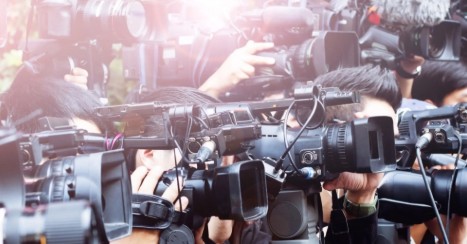
Press freedom has, for years, been under attack almost everywhere across the globe, but the situation has never been as grave as it is now. The recent findings of Reporters Without Borders (RSF) reveal the conditions for journalists in more than half of the 180 countries it surveys are “difficult” or “very serious” this year. The rising waves of war worldwide and the emergence of autocratic leaders at the helm of affairs in many countries are also increasing the pressures and dangers. A telling finding is that a new peak of 129 deaths of reporters have so far occurred in different countries within this year. The worse aspect of the oppression of journalists and the shackling of free speech, as the UNESCO remarked, is that almost “nine out of 10 killings of journalists go unpunished.”
India has the unenvious distinction of being among countries where oligarchs take control of major media outlets with their money power and put them at the service of the ruling dispensation. The report says “the conglomerate led by Indian entrepreneur Gautam Adani” is in the same brackets with Kazakhstan’s President Kassym-Jomart Tokayev and Turkish President Recep Tayyip Erdogan who seek to criminalise journalism via abusive legal proceedings against media outlets and journalists. India, like many other countries, witnesses how Press freedom is gravely suppressed by those who strive every day to undermine the credibility of media by exploiting the opportunities to repress journalism by creating a situation whereby the media sees imminent economic collapse if it exposes misdeeds of authorities. The report also notes how in India and elsewhere public hatred is fuelled through digital attacks on independent journalism, orchestrated or supported by those in power. In Argentina, President Javier Milei infamously coined the slogan, “we don’t hate journalists enough.” He uses this strategy at the highest level of the state. According to the RSF findings, he published over 1,600 posts on his X account that were hostile to the Press in just 47 days, between April and May 2026.
The irony of the situation is that high quality journalism has never been more necessary than now when strife and conflict are rising, AI slop and malicious fabrications spreading on platforms run by big tech firms are posing grave threat to democracy, freedom of speech and expression and truth is becoming the biggest casualty. To make matters worse the US, which previously acted as the savior in cases of threatened journalists overseas, sometimes helping to ease their conditions, is now led by a man who has called news media “the enemy of the American people.” US President Donald Trump is currently pursuing a lawsuit of $10 billion against the BBC. He has also sought to dismantle federally funded organisations which were an important source of independent reporting on many repressive nations.
Still not all is lost. The silver lining is becoming visible. An appeals court panel in the USA recently ruled that the administration had illegally fired the head of Voice of America. In these gloomy times the youths and democracy-loving people across the globe, including India, are coming forward in a manner that may stop the dictators and autocrats in their tracks. Recent elections in Serbia, Brazil and the US and the emergence of bloggers and media platforms working on a shoe-string budget in India are evidence that journalism, alongside activism, can be a bulwark against attacks on Press freedom and democracy.