
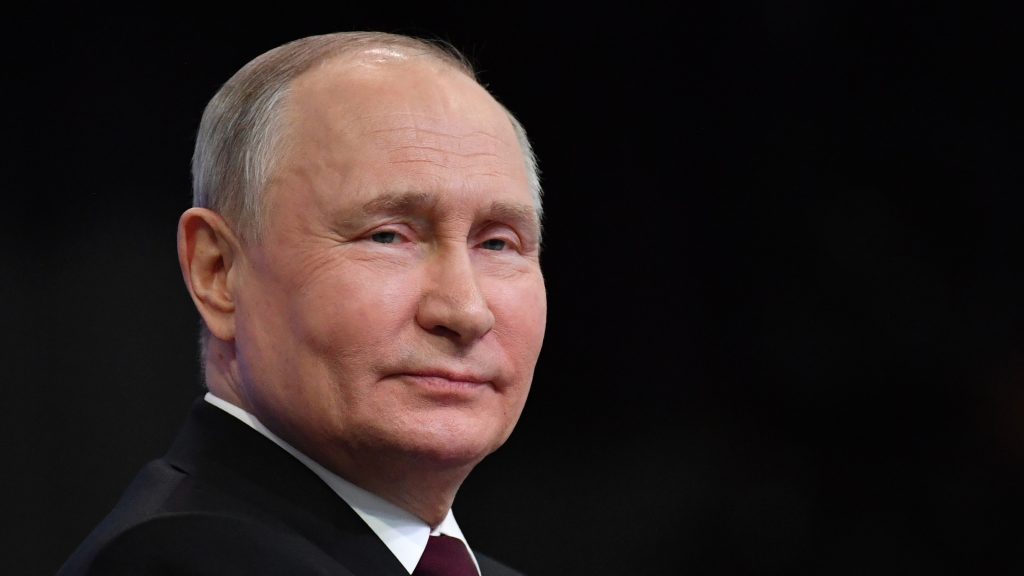
The ongoing war between the US-Israel combine and Iran has unexpectedly turned out to be a windfall for Russia. In just about a fortnight after the war began, oil and gas prices have become volatile, and the lone beneficiary from this global crisis and uncertainty is Russia. It must have been music to the ears of President Vladimir Putin when the US authorised India on 4 March to buy oil from Russia. Recent reports indicate Russia has announced it will hike oil price for India since this country stopped buying oil from it after Trump ordered it to halt purchases. The war situation appeared so grim, notwithstanding the US’ exaggerated claims about “obliterating” Iran’s top leadership and vital infrastructure, that the following day US Treasury Secretary Scott Bessent even said he was considering the possibility of further lifting sanctions on Russian crude oil “to bring relief to the market” for the duration of the conflict. This is not only nervousness on the part of the US, but also a recognition, as an elated Russian spokesperson said immediately after the decision, that the world cannot “do without Russian oil.”
In fact, the measures could not come at a more opportune time for Russia. The international sanctions imposed on Russia after its invasion of Ukraine in February 2022 have forced Putin to sell its oil at severely reduced rates. In January, its revenues from hydrocarbon sales reportedly fell to their lowest point in five years, further weakening its economy and eroding to a considerable extent its ability to fund the protracted war it has thrust on Kyiv. The US’ position after daring and effective counterattacks by Iran, especially the super successful blocking of the Strait of Hormuz, has become so precarious that it appeared to have glossed over the reports claiming that Moscow was providing Iran with intelligence it could use to target US forces.
A major US daily divulged it, though US Secretary of Defence Pete Hegseth downplayed it. What was even more surprising is that this information did not stop US President Donald Trump from making a phone call to Putin on 9 March, which Trump described as “very good” and “positive.” Things were not going well for Russia since the abrupt fall of the regime of the Syrian dictator Bashar al-Assad. Thereafter, the US military abducted Venezuelan President Nicolas Maduro in Caracas on 3 January, which deprived Russia of an important foothold in the Caribbean. What is even worse, the neo-imperial ambitions of Trump have grown so much that he has embarked on a policy in the Americas that threatens another ally of the erstwhile Soviet Union and now Russia – the island of Cuba. The joint offensive of the US and Israel on Iran since 28 February has shown the helplessness of Moscow and its inability to support Iran. This is indeed a setback for Russia as Iran’s drone warfare experience has been crucial in the war it has waged against Ukraine.
Despite Putin’s assurance of support to the new Iranian supreme leader, Mojtaba Khamenei, it is doubtful whether Russia would be able to provide the military muscle that Iran needs now. In such a situation, the US’ decision to withdraw for the time being its sanctions of buying Russian oil has come as a great boon for the Russian economy, which is plagued by troubles after four years of war with Ukraine. Over the past two months, Russian social media platforms have been flooded with concerns for rising prices and high interest rates and even came close to bankruptcy. To address the country’s rising budget deficit, which is expected to exceed 3.5 per cent (or slightly higher) of its GDP in 2026, Moscow has been forced to adopt new measures. Its defence budget now eats up 40 per cent of all public spending.
Meanwhile, revenue from oil and gas sales, the traditional backbone of the Russian economy, has virtually collapsed due to falling global prices and sanctions, which have forced Russia to sell its resources at a discount. Trump is surely aware of these facts, and Russia is likely to lap up the opportunity to sell its fuel and gas at higher prices. This will help the US’ war strategy for Iran, which has succeeded in withstanding the US-Israel war machine by weaponising the global oil economy.
Trump’s war may end up benefiting Russia and boosting Iran’s confidence that it can challenge American might with its drones and missiles, and without dependence on any nuclear weapons. Apart from this disruption in energy supply, Iran is also trying to push oil trade in the Chinese Yuan. It has announced free passage to ships that have bought oil in the Chinese currency. This is a clear effort to take oil out of the Petro Dollar economic stranglehold of the US and the West. This is something most countries dare not do.