
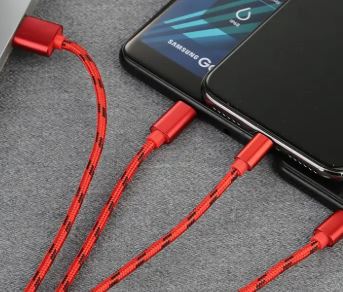
USB cables are essential for charging smartphones, laptops and other gadgets, yet many people overlook their quality when buying a new one. A poor-quality cable can slow charging and data transfers, damage your device or charger, cause overheating or short circuits, and in rare cases even lead to a fire. Choosing a safe, certified cable is just as important as choosing the right charger.
USB cable can damage your device
A USB cable does more than charge your device—it also transfers data. Counterfeit, low-quality or tampered cables can deliver unstable power, damaging charging ports or internal hardware. They may also overheat or cause short circuits. Using unknown USB cables in public places can expose your phone or laptop to malware, putting personal data, passwords and banking information at risk.
Check before buying USB cable
Choose trusted brand: Avoid cheap, unbranded cables. Reputable manufacturers follow safety standards and offer better protection for your device.
Opt for USB-C to USB-C: If your phone, laptop and charger all support USB-C, use a USB-C to USB-C cable for faster charging and quicker data transfers.
Consider Thunderbolt or USB4: If your budget allows, Thunderbolt 3/4/5 or USB4 cables provide higher performance, faster speeds and improved safety features.
Check build quality: Quality cables use thicker copper wiring, making them slightly heavier and more durable. Extremely light cables may indicate inferior materials.
Avoid magnetic adapters and worn-out cables: Third-party magnetic adapters can damage hardware, while old or damaged cables may supply unstable power and harm your device.
Buy from reliable sellers: Avoid unknown or second-hand cables. Purchase only from authorised retailers or trusted brands to reduce the risk of faulty products or maliciously modified cables.
Orissa POST – Odisha’s No.1 English Daily