Odisha News, Odisha Latest news, Odisha Daily - OrissaPOST
  • Home
  • Trending
  • State
  • Metro
  • National
  • International
  • Business
  • Feature
  • Entertainment
  • Sports
  • More..
    • Odisha Special
    • Editorial
    • Opinion
    • Careers
    • Sci-Tech
    • Timeout
    • Horoscope
    • Today’s Pic
  • Video
  • Epaper
  • News in Odia
  • Home
  • Trending
  • State
  • Metro
  • National
  • International
  • Business
  • Feature
  • Entertainment
  • Sports
  • More..
    • Odisha Special
    • Editorial
    • Opinion
    • Careers
    • Sci-Tech
    • Timeout
    • Horoscope
    • Today’s Pic
  • Video
  • Epaper
  • News in Odia
No Result
View All Result
OrissaPOST - Odisha Latest news, English Daily -
No Result
View All Result

Novel algorithm helps smartphones to diagnose diseases

Updated: February 14th, 2019, 07:07 IST
in Sci-Tech
0
Share on FacebookShare on TwitterShare on WhatsAppShare on Linkedin

New York: Scientists have developed a new imaging algorithm that enables smartphones to diagnose diseases by analysing assays typically evaluated via spectroscopy, a highly sophisticated and powerful device used in medical research.

Smartphones have emerged as powerful evaluation tools capable of diagnosing medical conditions in point-of-care settings, said researchers from the Florida Atlantic University (FAU) in the US.


Also Read

ISRO

ISRO says reports of privatisation, reduced role amid reforms are ‘completely baseless’

14 hours ago
Tabu gets injured on the sets of 'Bholaa' in Hyderabad

‘My performance depends on the director’: Tabu on choosing films

14 hours ago

They also are a viable solution for health care in the developing world because the devices allow untrained users to collect and transmit data to medical professionals.

Although smartphone camera technology today offers a wide range of medical applications such as microscopy and cytometric analysis, in practice, cell phone image tests have limitations that severely restrict their utility.

Through the analysis of more than 10,000 images, the researchers have been able to demonstrate that the saturation method they developed consistently outperformed existing algorithms under a wide range of operating field conditions.

The findings, published in the journal ‘Analyst’, is a step forward in developing point-of-care diagnostics by reducing the need for required equipment, improving the limit of detection, and increasing the precision of quantitative results.

“Smartphone cameras are optimised for image appearance rather than for quantitative image-based measurements, and they can not be bypassed or reversed easily. Furthermore, most lab-based biological and biochemical assays still lack a robust and repeatable cell phone analogue,” said Waseem Asghar, an assistant professor at FAU.

“We have been able to develop a cell phone-based image preprocessing method that produces a mean pixel intensity with smaller variances, lower limits-of-detection, and a higher dynamic range than existing methods,” he said in a statement.

Asghar and colleagues performed image capture using three smartphones.

The researchers tested for image capture at various conditions, measured algorithm performance, tested sensitivity to camera distance, tilt and motion, and examined histogram properties and concentration response.

They also examined limit-of-detection as well as properties of saturation, ambient lighting levels and relationship with red-green-blue (RGB) colour space.

Cell phone images are natively stored as arrays of RGB pixel intensities, commonly referred to as colour channels.

Using several thousand images, the researchers compared saturation analysis with existing RGB methods and found that it both analytically and empirically improved performance in the presence of additive and multiplicative ambient light noise.

They also showed that saturation analysis can be interpreted as an optimised version of existing RGB ratio tests.

The researchers also applied the test to an ELISA (enzyme-linked immunosorbent assay), a plate-based assay technique designed for detecting and quantifying substances such as peptides, proteins, antibodies and hormones.

They discovered that for HIV, saturation analysis enabled an equipment-free evaluation and a limit-of-detection was significantly lower than what is currently available with RGB methods.

PTI

Share2TweetSendShare
Suggest A Correction

Enter your email to get our daily news in your inbox.


OrissaPOST epaper Sunday POST OrissaPOST epaper

Click Here: Plastic Free Odisha

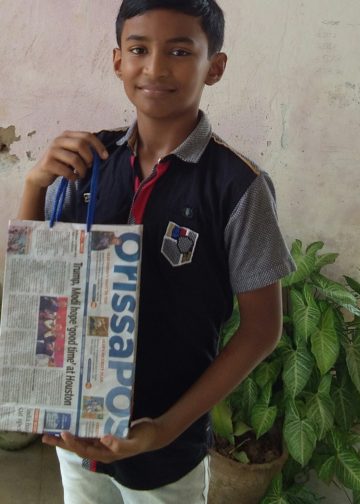
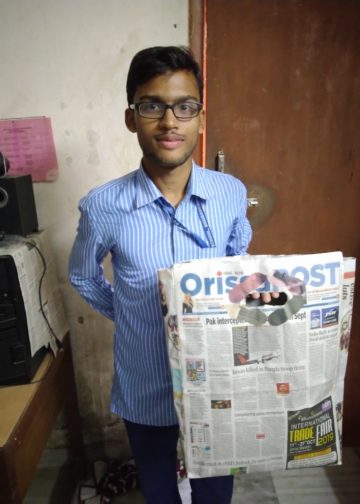
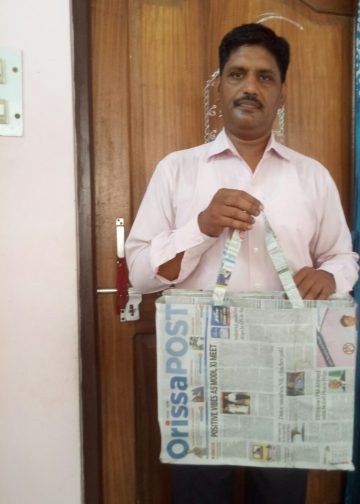
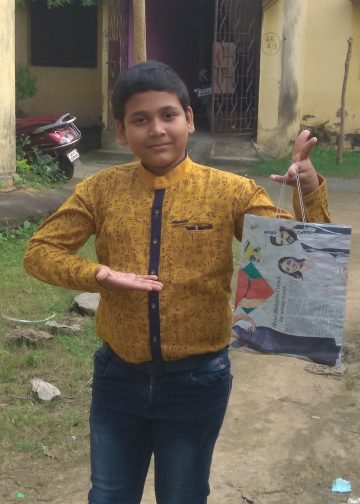
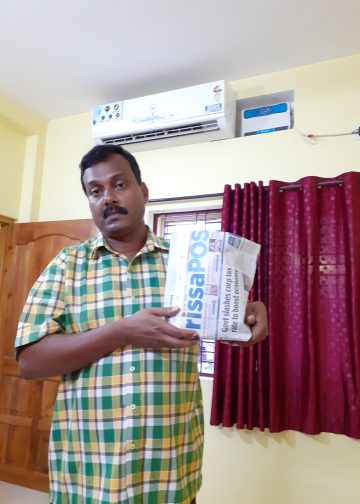
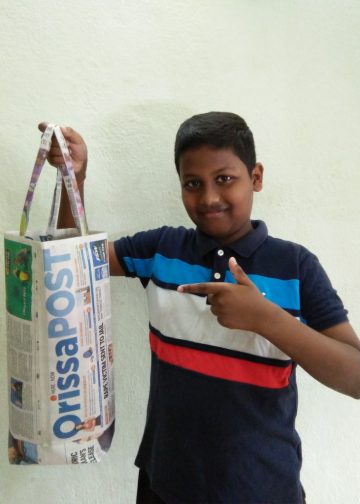
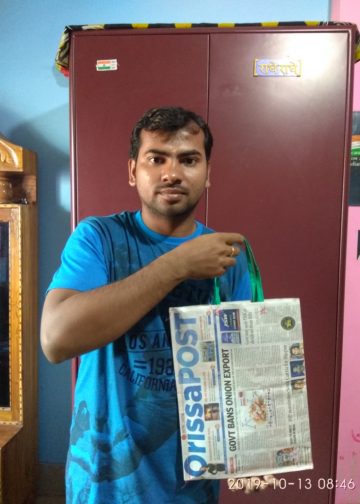
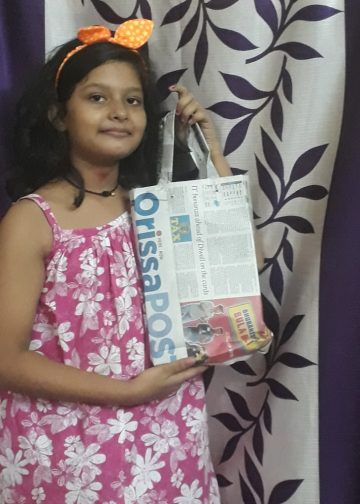
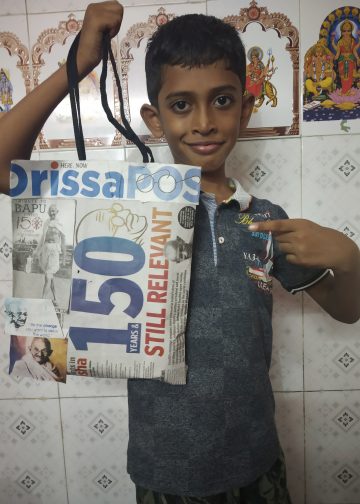
#MyPaperBagChallenge

Debasis Mohanty

December 12, 2019
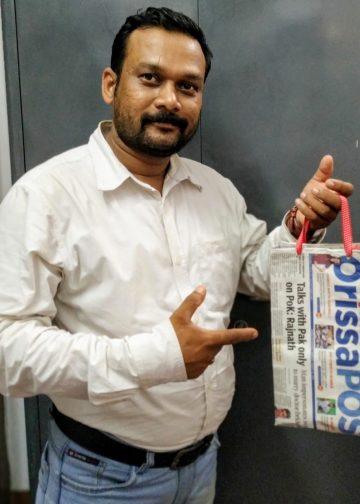
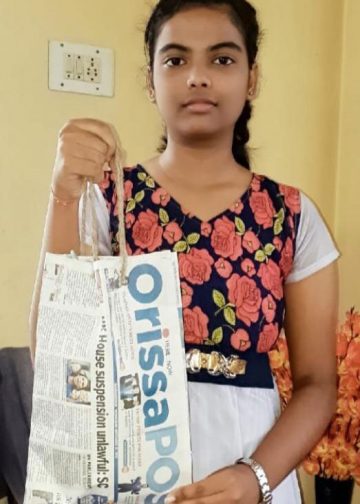
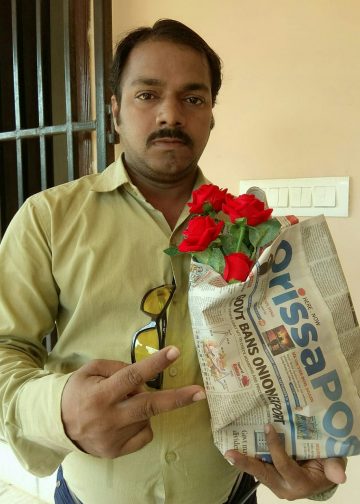
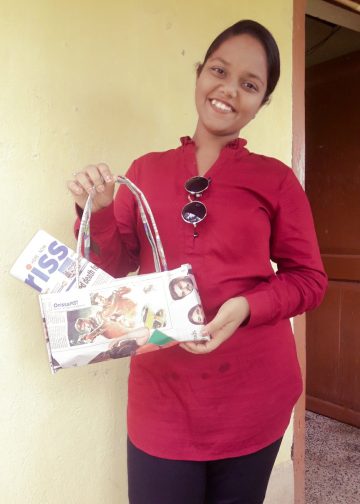
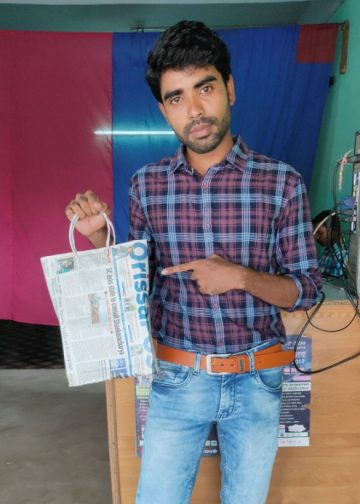
#MyPaperBagChallenge

Spinoj Pattnaik

December 12, 2019
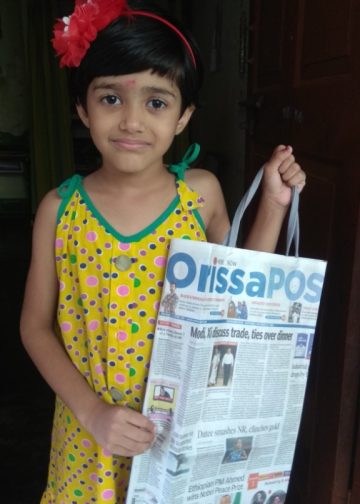
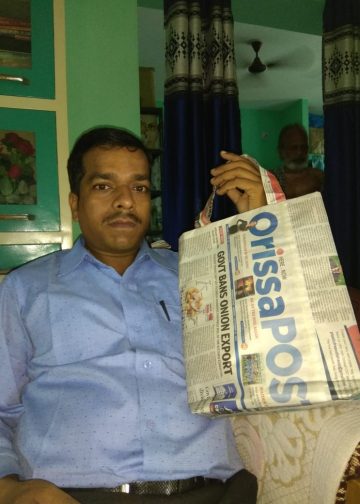
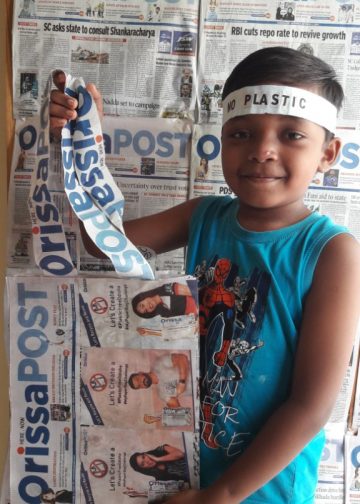
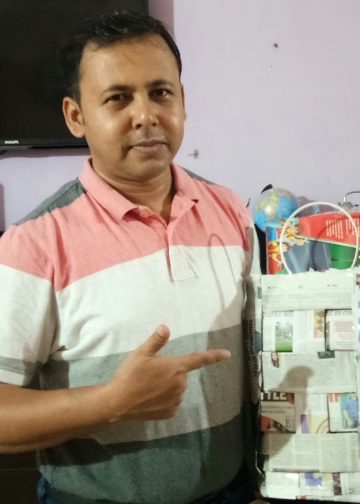
#MyPaperBagChallenge

Sipra Mishra

December 12, 2019
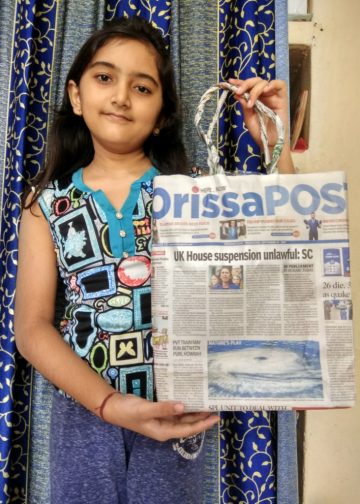
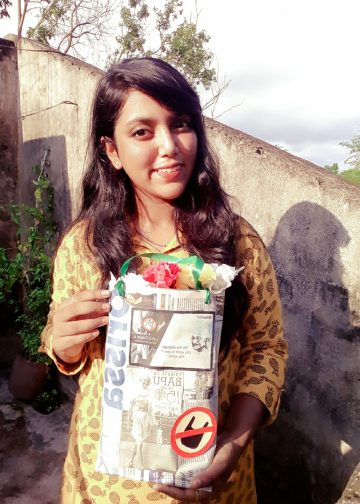
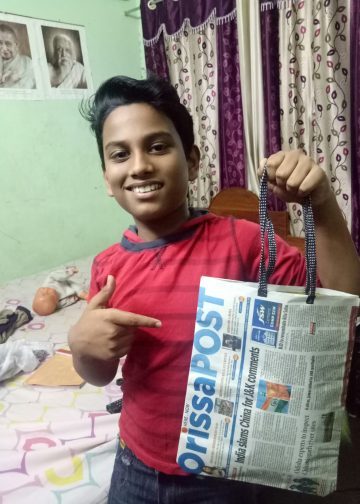
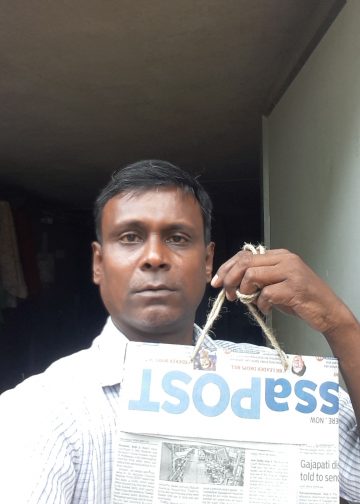
#MyPaperBagChallenge

Diptiranjan Biswal

December 12, 2019
#MyPaperBagChallenge

Pratik Kumar

December 12, 2019
#MyPaperBagChallenge

Manas Samanta

December 12, 2019
#MyPaperBagChallenge

Adweeti Bhattacharya

December 12, 2019
#MyPaperBagChallenge

Akriti Negi

December 12, 2019
#MyPaperBagChallenge

Anshuman Sahoo

December 12, 2019
#MyPaperBagChallenge

Pitabas Tripathy

December 12, 2019
#MyPaperBagChallenge

Nishikant Rout

December 12, 2019
#MyPaperBagChallenge

Anup Mahapatra

December 12, 2019
#MyPaperBagChallenge

Arya Ayushman

December 12, 2019
#MyPaperBagChallenge

Priyasha Pradhan

December 12, 2019
#MyPaperBagChallenge

Priyabrata Mohanty

December 12, 2019
#MyPaperBagChallenge

Subhajyoti Mohanty

December 12, 2019
#MyPaperBagChallenge

Saishree Satyarupa

December 12, 2019
#MyPaperBagChallenge

Ramakanta Sahoo

December 12, 2019
#MyPaperBagChallenge

Sitakanta Mohanty

December 12, 2019
#MyPaperBagChallenge

Pratik Kumar Ghibela

December 12, 2019
#MyPaperBagChallenge

Shreyanshu Bal

December 12, 2019
#MyPaperBagChallenge

Sarmistha Nayak

December 12, 2019
#MyPaperBagChallenge

Subhajyoti Mohanty

December 12, 2019
#MyPaperBagChallenge

Sarfraz Ahmad

December 12, 2019
#MyPaperBagChallenge

Tabish Maaz

December 12, 2019
#MyPaperBagChallenge

D Rama Rao

December 12, 2019
#MyPaperBagChallenge

Swarit Praharaj

December 12, 2019
#MyPaperBagChallenge

Pragyan Priyambada

December 12, 2019
#MyPaperBagChallenge

Narendra Kumar

December 12, 2019
#MyPaperBagChallenge

Faiza Firdous

December 12, 2019

Archives

Editorial

Self Sabotage

Pic- ISRO
September 7, 2026

Research and Development (R&D) is always considered the most expensive or cost intensive part of any new product. Deep pockets...

Read moreDetails

Beyond 9/11

September 6, 2026

By Aakar Patel The 25th anniversary of the September 11 attacks will soon be upon us. Americans will mourn, taking...

Read moreDetails

Beyond Bureaucracy

DILIP CHERIAN
September 5, 2026

By Dilip Cherian An IAS officer quitting after 13 years is unusual. An officer as publicly visible as Divya Mittal...

Read moreDetails

Battle for Books

September 2, 2026

Banning books by governments does not surprise much since this has been going on across the world since long. But...

Read moreDetails
  • Home
  • State
  • Metro
  • National
  • International
  • Business
  • Editorial
  • Opinion
  • Sports
  • About Us
  • Advertise
  • Contact Us
  • Jobs
Developed By Ratna Technology

© 2025 All rights Reserved by OrissaPOST

  • News in Odia
  • Orissa POST Epaper
  • Video
  • Home
  • Trending
  • Metro
  • State
  • Odisha Special
  • National
  • International
  • Sports
  • Business
  • Editorial
  • Entertainment
  • Horoscope
  • Careers
  • Feature
  • Today’s Pic
  • Opinion
  • Sci-Tech
  • About Us
  • Contact Us
  • Jobs

© 2025 All rights Reserved by OrissaPOST

    • News in Odia
    • Orissa POST Epaper
    • Video
    • Home
    • Trending
    • Metro
    • State
    • Odisha Special
    • National
    • International
    • Sports
    • Business
    • Editorial
    • Entertainment
    • Horoscope
    • Careers
    • Feature
    • Today’s Pic
    • Opinion
    • Sci-Tech
    • About Us
    • Contact Us
    • Jobs

    © 2025 All rights Reserved by OrissaPOST