BHUBANESWAR: One man’s waste is another man’s treasure. This adage has found a true liking with a group of students here at a private university which has recycled waste into usable products.
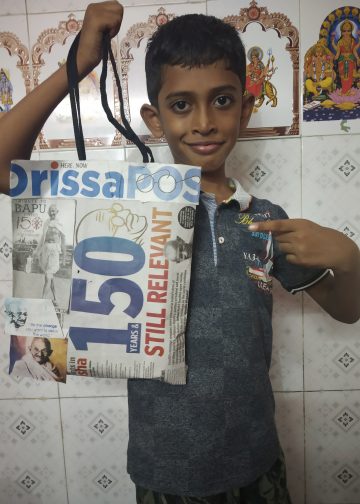
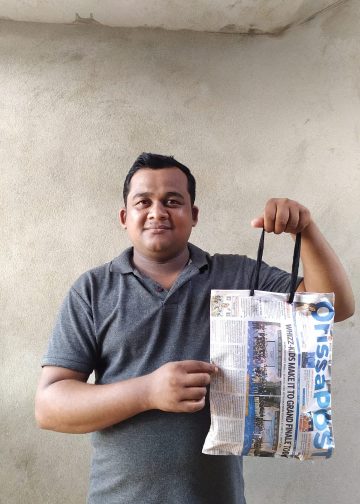
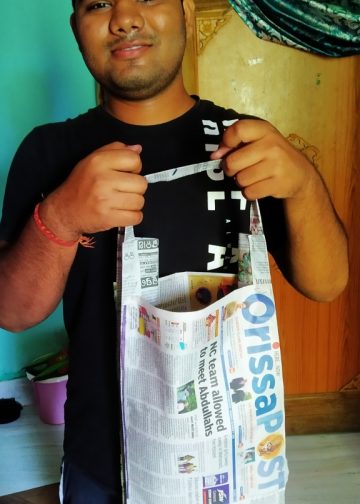
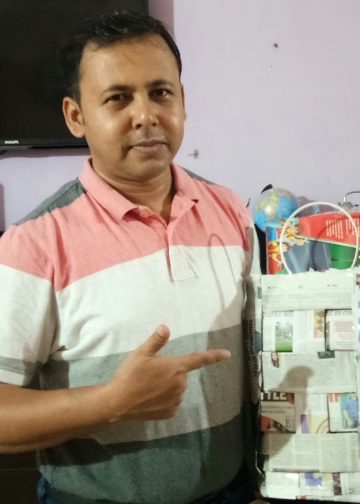
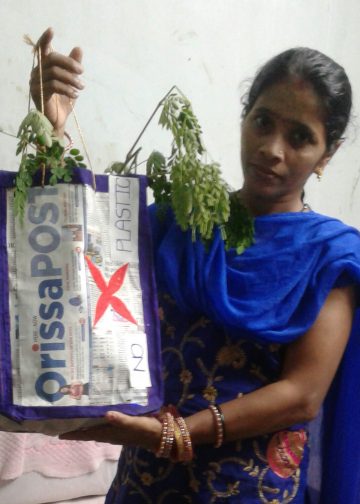
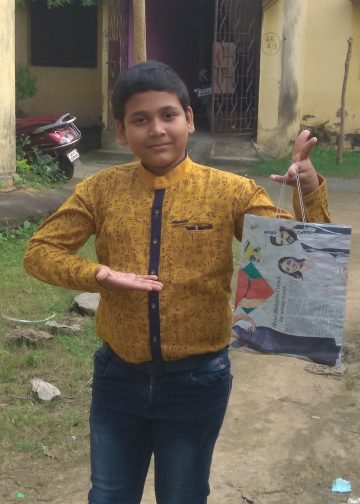
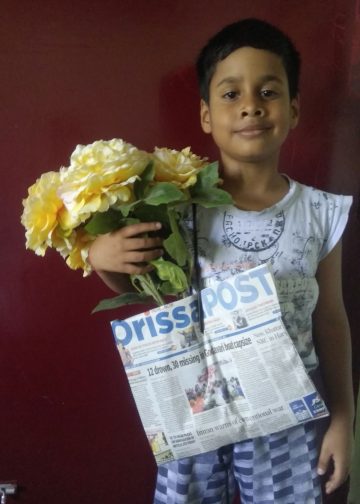
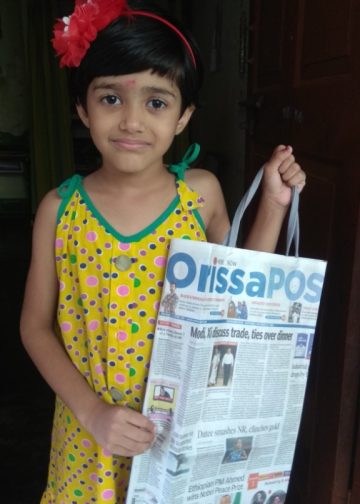
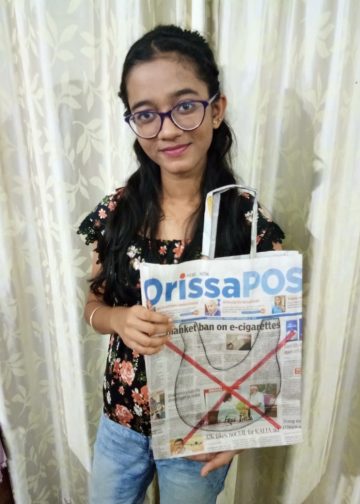
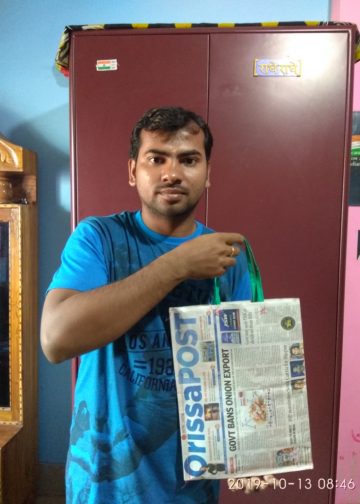
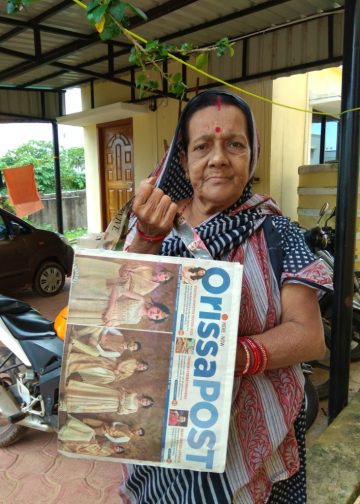
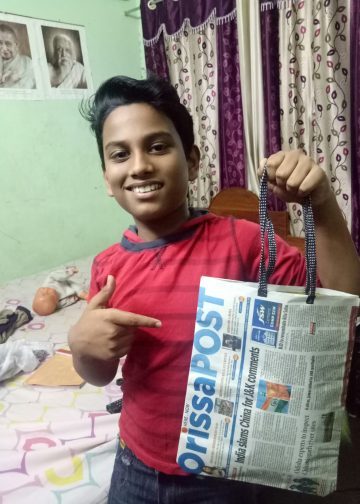
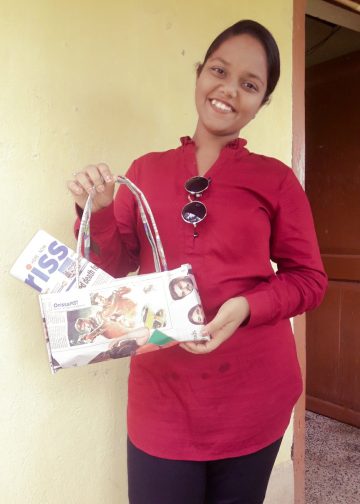
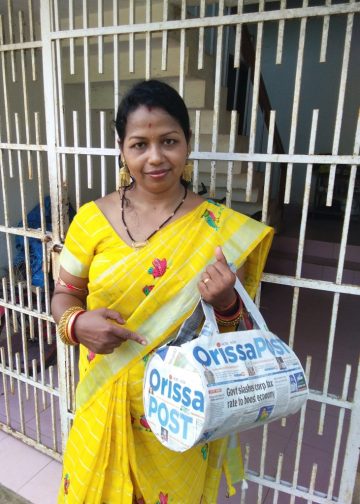
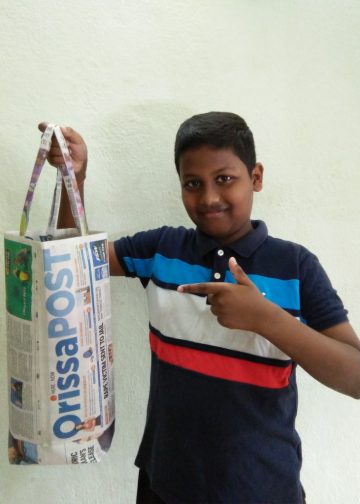
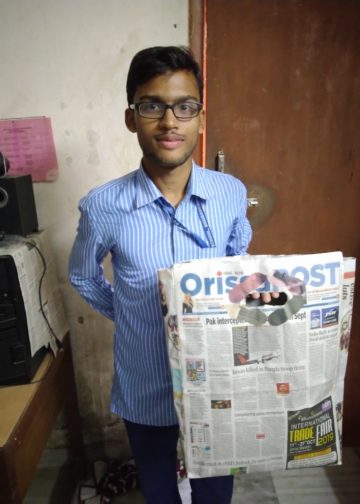
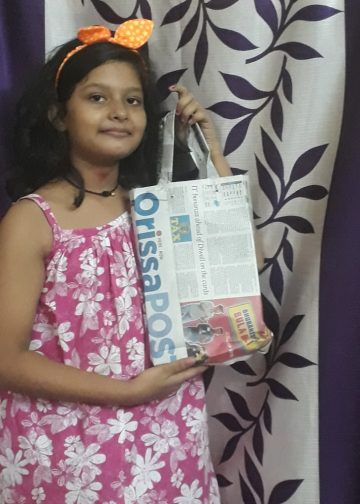
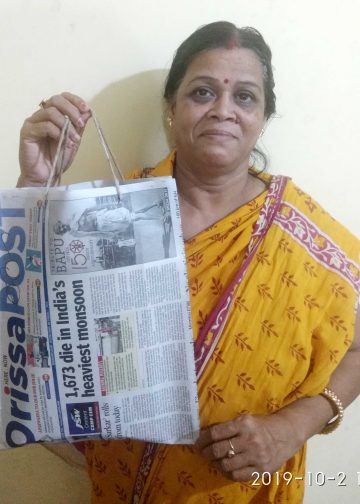
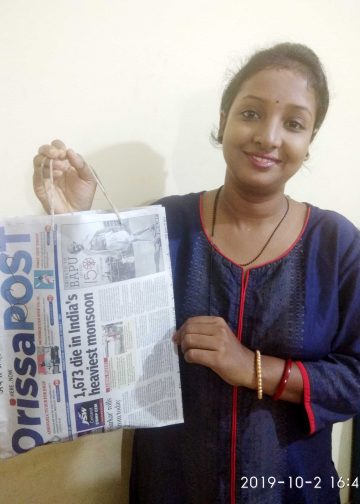
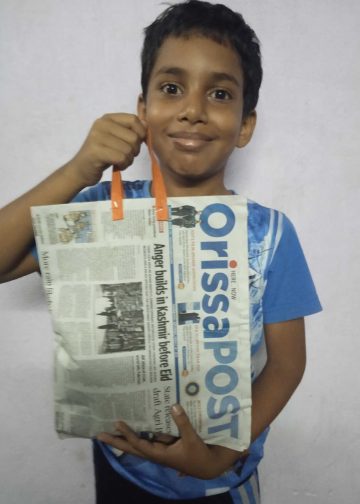
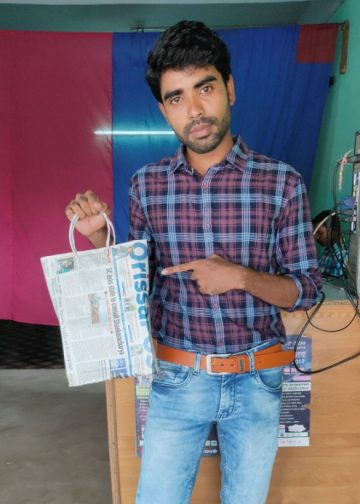
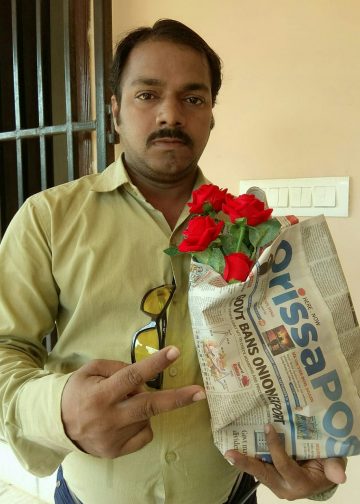
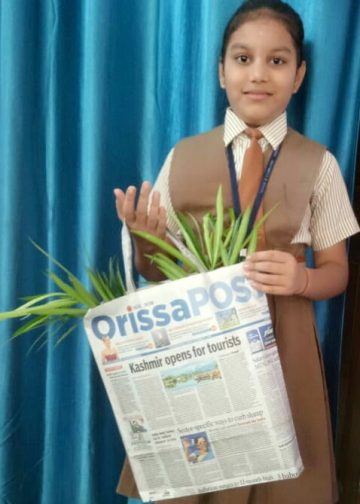
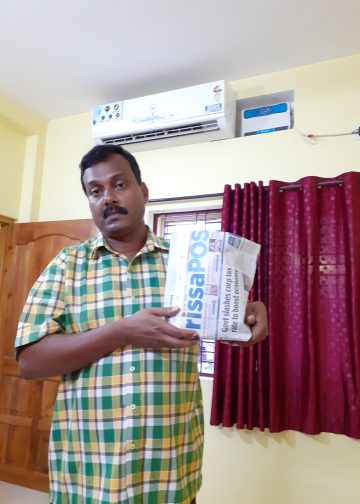
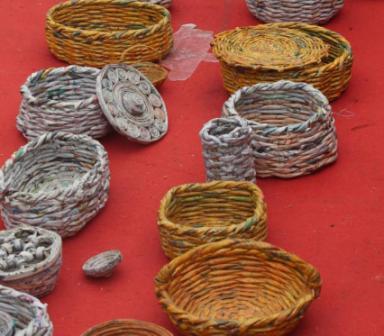
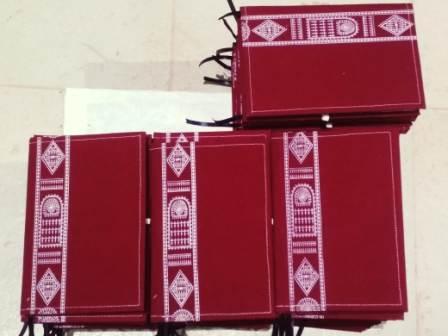
The seven-member group has designed a use-and-throw pen from discarded papers, diary from waste cloths, egg trays from paddy straw, cloth baskets from old newspapers, item-holding boxes from chicken wings and ceramic pottery.


“Basically, we collect waste from our college and other places and transform them into different products. For instance, a lot of paper is collected each year that comes from projects and exam sheets that students give. We convert them into use-and-throw paper pens,” said Satish Kumar Mandal, Assistant Manager of the team.

These pens do not just become obsolete with the last ink in them but have a further environmental impact. As Ahmad Raza, designer for bio-degradable pens explains, “These pens are of two types, priced at Rs. 5 and Rs. 6. One of those is with a plant seed inside it. While both are bio-degradable, one can choose to dispose the ‘sapling’ pen in his backyard.”
Venturing into other enterprising creations, the team has also come up in dealing with plastic pollution in the form of plastic pavers. Still in nascent stage, the process involves collecting plastic bottles, crushing them into minute pieces and eventually moulding it into a brick after mixing it with sand.
With the city looking to rake up stakes in top smart cities of the country, waste management has posed to be a major challenge in this regard. Stemming from the cause of environmental contribution this idea on a large scale can make a significant difference for the capital struggling to manage an overwhelming 300 tonnes of waste per day.
“These ideas are extremely creative. Although its implementation on a large scale is certainly challenging, it can surely be extremely helpful to the city. Increasing urbanisation here will see rise in population which will eventually lead to massive waste generation,” said Subhashish Mohanty, an environmentalist.
Meanwhile, the team is looking forward to fulfill its social responsibilities by providing assistance to the skilled labours in the state with ceramic pottery. According to Satish, traditional pottery involving terracotta has its limitations. Ceramic on the other hand has higher returns due to increasing market space.
“We are trying to create a market for ceramic pottery in the state. This will generate employment by creating demand. At present we have ceramic products ranging from Rs 80 to Rs 200,” he adds.
With just a year old, the organisation, Gram Tarang Employability Training has already started to spread its wings. Their innovative ideas have gradually attracted buyers and demand for its products has increased significantly.
“Initially we had orders for just 10 to 15 products a month which has increased to 200 now. This has prompted us to increase our workforce. We would soon need advanced machinery to cater to the increasing demand,” stated Satish.
Aviral Mishra, OP