Odisha News, Odisha Latest news, Odisha Daily - OrissaPOST
  • Home
  • Trending
  • State
  • Metro
  • National
  • International
  • Business
  • Feature
  • Entertainment
  • Sports
  • More..
    • Odisha Special
    • Editorial
    • Opinion
    • Careers
    • Sci-Tech
    • Timeout
    • Horoscope
    • Today’s Pic
  • Video
  • Epaper
  • News in Odia
  • Home
  • Trending
  • State
  • Metro
  • National
  • International
  • Business
  • Feature
  • Entertainment
  • Sports
  • More..
    • Odisha Special
    • Editorial
    • Opinion
    • Careers
    • Sci-Tech
    • Timeout
    • Horoscope
    • Today’s Pic
  • Video
  • Epaper
  • News in Odia
No Result
View All Result
OrissaPOST - Odisha Latest news, English Daily -
No Result
View All Result

India hosted youngest populations of ‘Acheulean’ human ancestors: Study

PTI
Updated: October 6th, 2021, 12:23 IST
in National
0
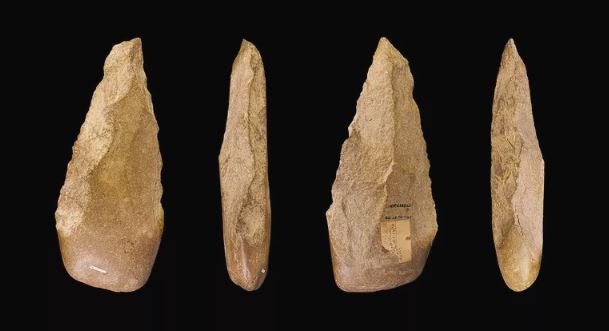
Pic Courtesy: ThoughtCo.

Pic Courtesy: ThoughtCo.

Share on FacebookShare on TwitterShare on WhatsAppShare on Linkedin

New Delhi: Populations of ancient humans using Acheulean stone toolkits persisted in India until about 177,000 years ago, shortly before the earliest expansions of our own species, Homo sapiens, across Asia, according to a study published Wednesday.

The longest lasting tool-making tradition in prehistory, known as the Acheulean, was characterised by distinctive oval and pear-shaped stone handaxes and cleavers associated with Homo erectus and derived species such as Homo heidelbergensis.


Also Read

WhatsApp, India, Social media, Meta,

Govt slaps notice on Meta; asks WhatsApp to pause username feature until consultations end

1 hour ago

India names Somnath Ghosh as next envoy to Malaysia

3 hours ago

Latest research led by the Max Planck Institute for the Science of Human History in Germany re-examined a key Acheulean site at the margins of the monsoon zone in the Thar Desert, Rajasthan.

The study, published in the journal Scientific Reports, shows the presence of Acheulean populations until about 177,000 years ago, shortly before the earliest expansions of Homo sapiens across Asia.

The timing and route of the earliest expansions of our own species across Asia have been the focus of considerable debate.

However, a growing body of evidence indicates Homo sapiens interacted with numerous populations of our closest evolutionary cousins, the researchers said.

Identifying where these different populations met is critical to revealing the human and cultural landscape encountered by the earliest members of our species to expand beyond Africa, they said.

The researchers noted that although fossils of ancient human populations are extremely rare in South Asia, changes in the stone tool kits they made, used, and left behind can help resolve when and where these encounters may have occurred.

The latest research reports the relatively recent occupation of the site of Singi Talav by Acheulean populations up to 177,000 years ago.

The site was once thought to be amongst the oldest Acheulean sites in India, but now appears to be one of the youngest, according to the researchers.

These dates show the persistence of Acheulean populations in the Thar Desert after their disappearance in eastern Africa around 214,000 years ago and Arabia 190,000 years ago, they noted.

The study illuminates the environmental conditions that allowed Acheulean populations to thrive at the margins of the monsoon in the Thar Desert until at least 177,000 years ago.

“This supports evidence from across the region indicating that India hosted the youngest populations using Acheulean toolkits across the world,” said Jimbob Blinkhorn of the Max Planck Institute for the Science of Human History, the lead author of the study.

“Critically, the late persistence of the Acheulean at Singi Talav and elsewhere in India directly precedes evidence for the appearance of our own species, Homo sapiens, as they expanded across Asia,” Blinkhorn added.

The researchers noted that the site of Singi Talav, set on a lakeside close to the modern town of Didwana at the edge of the Thar Desert, was first excavated in the early 1980’s, revealing multiple stone tool assemblages.

The largest assemblage shows a focus on the production of stone handaxes and cleavers that are typical of the Acheulean, they said.

However, the techniques needed to accurately date these assemblages were not available at the time of their discovery.

“The lakeside setting has ideal preservation conditions for an archaeological site, enabling us to return 30 years after the first excavation and readily re-identify the main occupation horizons again,” said Blinkhorn.

The researchers used luminescence methods to directly date the sediment horizons occupied by ancient human populations.

These methods rely on the ability of minerals like quartz and feldspar to store and release energy induced by natural radioactivity, allowing scientists to determine the last time sediments were exposed to light.

“Ours is the first study to directly date the occupation horizons at Singi Talav, enabling us to understand both when ancient humans lived here and created the stone tool assemblages, and how these occupations compare with other sites across the region,” said Julie Durcan of the University of Oxford in the UK.

The Thar Desert sits at the western edge of the modern Indian summer monsoon system, and its habitability to ancient human populations likely fluctuated significantly.

The researchers examined plant microfossils, known as phytoliths, as well as features of soil geochemistry to reveal the ecology of the site at the time the Acheulean toolkits were produced.

“This is the first time the ecology of an Acheulean site in India has been studied using these methods, revealing the broader character of the landscape that these populations inhabited,” said Professor Hema Achyuthan of Anna University, Chennai, who also participated in the excavations at the site.

“The results from the two methods we applied complement each other to reveal a landscape rich in the types of grasses that flourish during periods with enhanced summer monsoons,” Achyuthan added.

PTI

Tags: AcheuleanAnna UniversityHema AchyuthanScience of Human HistoryThar desert
ShareTweetSendShare
Suggest A Correction

Enter your email to get our daily news in your inbox.


OrissaPOST epaper Sunday POST OrissaPOST epaper

Click Here: Plastic Free Odisha

?????????????????????????????????????????????????????????????????????????????????????????????????????????????????????????????????
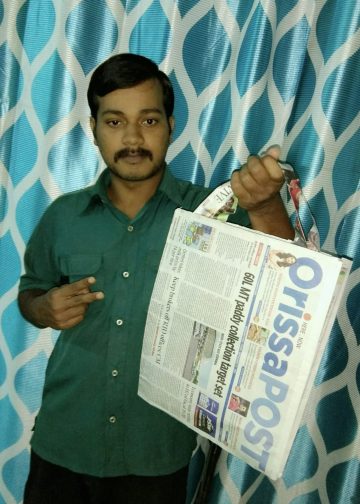
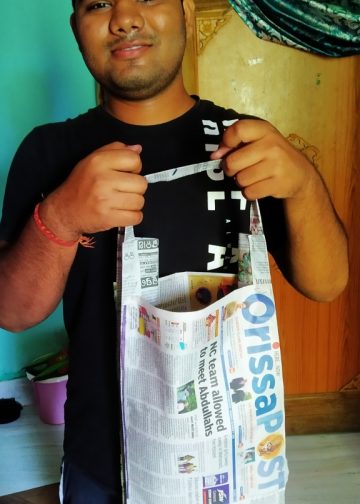
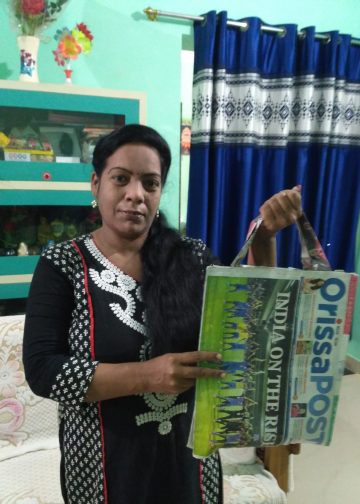
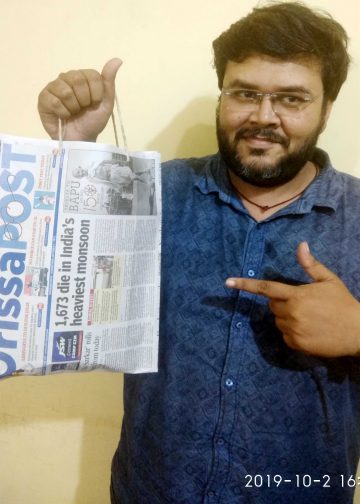
#MyPaperBagChallenge

Dibya Ranjan Das

December 12, 2019
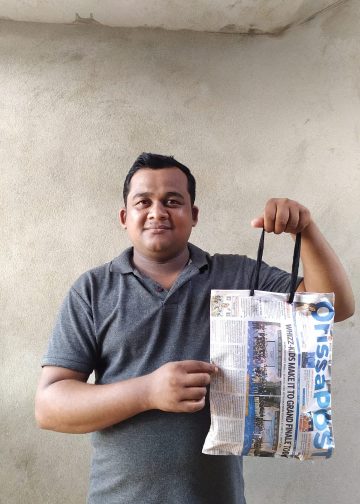
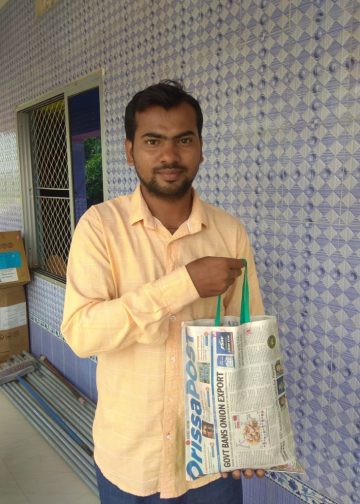
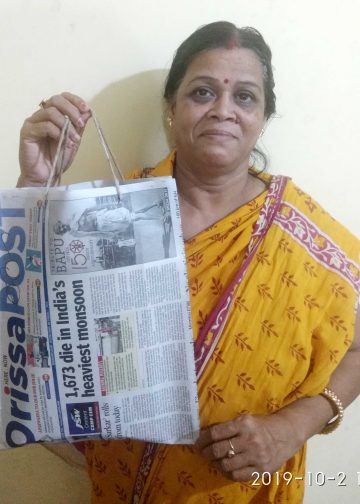
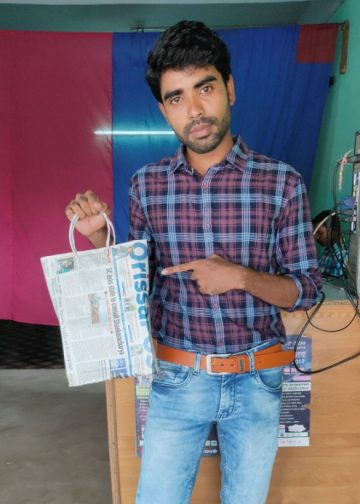
#MyPaperBagChallenge

Vandana Singh

December 12, 2019
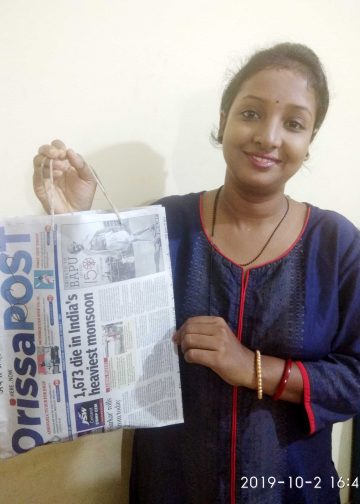
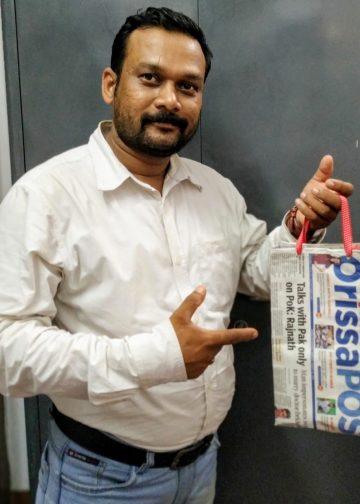
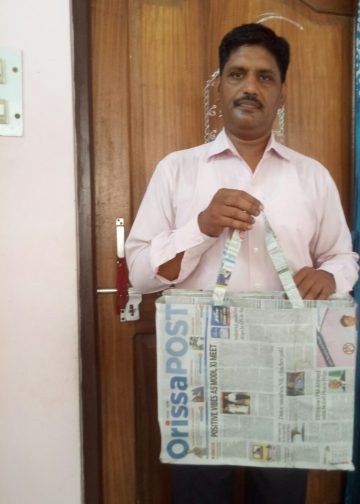
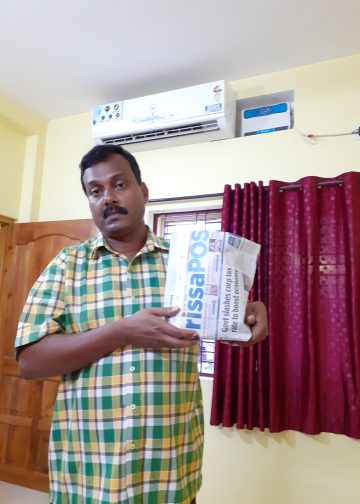
#MyPaperBagChallenge

Saishree Satyarupa

December 12, 2019
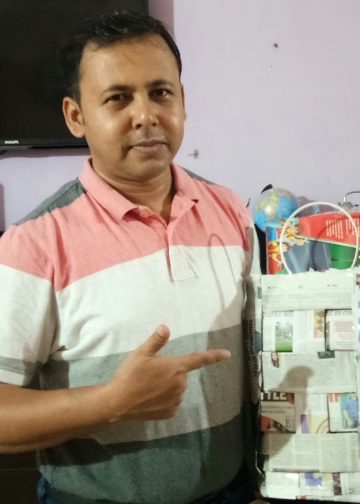
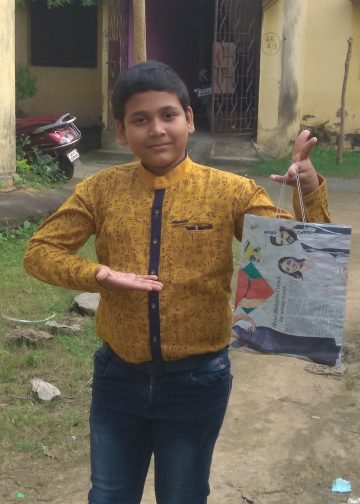
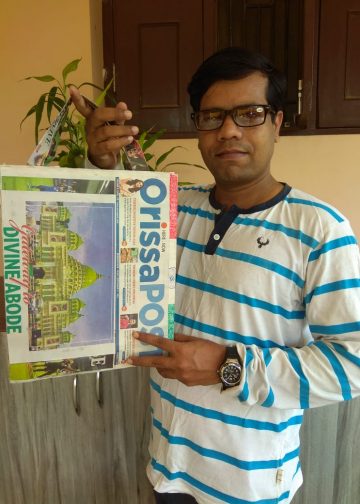
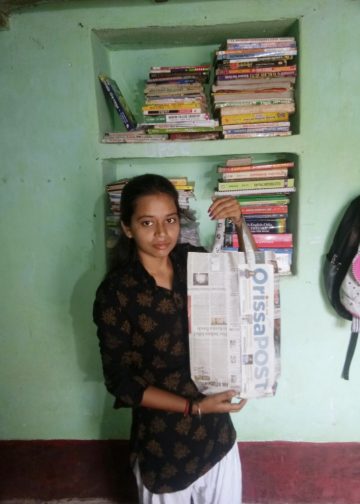
#MyPaperBagChallenge

Sarmistha Nayak

December 12, 2019
#MyPaperBagChallenge

Archana Parida

December 12, 2019
#MyPaperBagChallenge

Pratik Kumar

December 12, 2019
#MyPaperBagChallenge

Spinoj Pattnaik

December 12, 2019
#MyPaperBagChallenge

Priyasha Pradhan

December 12, 2019
#MyPaperBagChallenge

Priyabrata Mohanty

December 12, 2019
#MyPaperBagChallenge

Sibarama Khotei

December 12, 2019
#MyPaperBagChallenge

Sipra Mishra

December 12, 2019
#MyPaperBagChallenge

Aman Kumar Barisal

December 12, 2019
#MyPaperBagChallenge

Pitabas Tripathy

December 12, 2019
#MyPaperBagChallenge

Adyasha Priyadarsani Sendha

December 12, 2019
#MyPaperBagChallenge

Anshuman Sahoo

December 12, 2019
#MyPaperBagChallenge

Rajashree Pravati Mohanty

December 12, 2019
#MyPaperBagChallenge

Aishwarya Ranjan Mohanty

December 12, 2019
#MyPaperBagChallenge

Sisirkumar Maharana

December 12, 2019
#MyPaperBagChallenge

Anup Mahapatra

December 12, 2019
#MyPaperBagChallenge

Mrutyunjaya Behera

December 12, 2019
#MyPaperBagChallenge

Sitakanta Mohanty

December 12, 2019
#MyPaperBagChallenge

Smitarani Sahoo

December 12, 2019
#MyPaperBagChallenge

Parbati Mohanty

December 12, 2019
#MyPaperBagChallenge

Faiza Firdous

December 12, 2019
#MyPaperBagChallenge

Tapaswini Mallick

December 12, 2019
#MyPaperBagChallenge

Adrita Bhattacharya

December 12, 2019
#MyPaperBagChallenge

Chinmay Kumar Routray

December 12, 2019
#MyPaperBagChallenge

Anasuya Sahoo

December 12, 2019
#MyPaperBagChallenge

Diptiranjan Biswal

December 12, 2019
#MyPaperBagChallenge

Pratik Kumar Ghibela

December 12, 2019

Archives

Editorial

Cyber Golden Triangle

July 1, 2026

Online users nowadays are faced with clever scams, harassment, bullying, blackmail, extortion and grooming or honey trapping schemes on a...

Read moreDetails

EU-Taliban Trap

European Union
June 30, 2026

The European Union has lent itself to criticism for a controversial meeting of its officials with Taliban representatives in Brussels...

Read moreDetails

Writings On A Wall

National War Memorial
June 29, 2026

A nation remembers its wars not only through victories but also through the names of those who never returned to...

Read moreDetails

Rules Over Rights

Rights & Restrictions: AAKAR PATEL
June 28, 2026

By Aakar Patel What cannot be passed in Parliament as law can be incarnated as a change in the rules....

Read moreDetails
  • Home
  • State
  • Metro
  • National
  • International
  • Business
  • Editorial
  • Opinion
  • Sports
  • About Us
  • Advertise
  • Contact Us
  • Jobs
Developed By Ratna Technology

© 2025 All rights Reserved by OrissaPOST

  • News in Odia
  • Orissa POST Epaper
  • Video
  • Home
  • Trending
  • Metro
  • State
  • Odisha Special
  • National
  • International
  • Sports
  • Business
  • Editorial
  • Entertainment
  • Horoscope
  • Careers
  • Feature
  • Today’s Pic
  • Opinion
  • Sci-Tech
  • About Us
  • Contact Us
  • Jobs

© 2025 All rights Reserved by OrissaPOST

    • News in Odia
    • Orissa POST Epaper
    • Video
    • Home
    • Trending
    • Metro
    • State
    • Odisha Special
    • National
    • International
    • Sports
    • Business
    • Editorial
    • Entertainment
    • Horoscope
    • Careers
    • Feature
    • Today’s Pic
    • Opinion
    • Sci-Tech
    • About Us
    • Contact Us
    • Jobs

    © 2025 All rights Reserved by OrissaPOST