Odisha News, Odisha Latest news, Odisha Daily - OrissaPOST
  • Home
  • Trending
  • State
  • Metro
  • National
  • International
  • Business
  • Feature
  • Entertainment
  • Sports
  • More..
    • Odisha Special
    • Editorial
    • Opinion
    • Careers
    • Sci-Tech
    • Timeout
    • Horoscope
    • Today’s Pic
  • Video
  • Epaper
  • News in Odia
  • Home
  • Trending
  • State
  • Metro
  • National
  • International
  • Business
  • Feature
  • Entertainment
  • Sports
  • More..
    • Odisha Special
    • Editorial
    • Opinion
    • Careers
    • Sci-Tech
    • Timeout
    • Horoscope
    • Today’s Pic
  • Video
  • Epaper
  • News in Odia
No Result
View All Result
OrissaPOST - Odisha Latest news, English Daily -
No Result
View All Result

Why we’re so bad at spotting lies

PTI
Updated: June 14th, 2024, 17:17 IST
in Feature, Sci-Tech
0
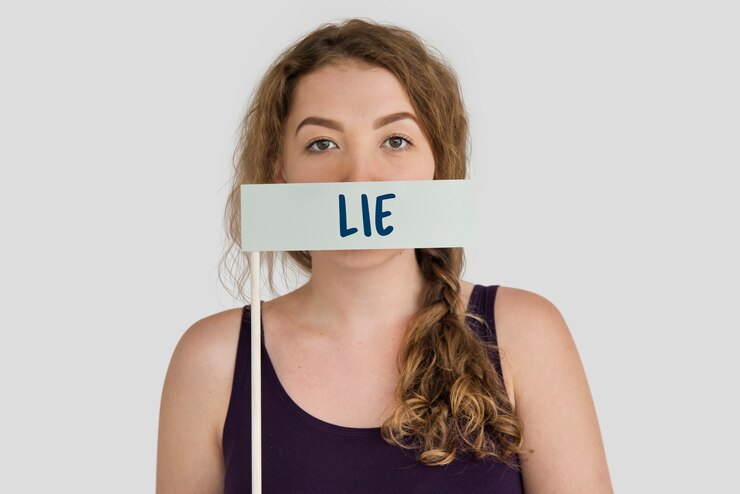
Lie

Pic- Freepik

Share on FacebookShare on TwitterShare on WhatsAppShare on Linkedin

San Francisco: You don’t have to be in the middle of an election campaign to be concerned about your ability to spot a lie. Psychology research suggests people lie at least once a day.

A 2006 review of 206 papers found that we are little better then chance at guessing whether something is a lie or not, 54 per cent to be exact.


Also Read

viral video

Viral video: Civic sense at its worst as man dumps garbage into sea

5 hours ago
Viral video

Luckiest man alive! This viral video proves life can change in one second

9 hours ago

Some lies are told to make others feel better. I wouldn’t mind if someone wanted to tell me, “You’re such a brilliant psychologist.” Most lies however, are for the benefit of the person telling the lie.

We learn to lie young, typically between the ages of two and three. More successful lying in childhood takes a little longer and requires a more developed ability to understand others’ mental states.

You also need good working memory to be convincing, so that you can remember the lie. Brighter children seem to lie most often and most selfishly.

By adulthood we are, it seems, well practised.

There are no tell-tale signs of lying per se, but there may be indicators of negative emotion associated with telling a lie (anxiety, guilt, shame, sadness, fear of being caught) even when the liar is trying to conceal them.

These sometimes leak out in micro-expressions, brief facial expressions lasting a fraction of a second or squelched expressions where the liar covers the emotion with a mask, usually a fake smile.

You can tell a fake smile because it doesn’t involve the muscles around the eyes and leaves the face quickly. Genuine smiles fade more slowly.

But the thing about possible nonverbal indicators of deception is most of us would need to replay the behaviour in slow motion to spot them.

But what about avoiding eye contact, believed globally to be a deception cue. My mother always said that she could tell when I was lying because I couldn’t look her in the eye. She would move closer and ask what I’d been up to the night before.

Eye contact is not a useful indicator of deception. Eye contact is affected by our cognitive activity even when we’re telling the truth. For instance, by planning our speech or accessing memory.

Also, we all know that’s what people look out for. And liars know to control it. Good liars can maintain eye contact when lying by planning their lie in advance and building their lies on fragments of the truth and real situations.

Eye contact is also affected by interpersonal distance. It’s difficult to maintain eye contact when someone is sitting close-up and staring at you (like my mother). This is the intimacy equilibrium model.

Certain behaviours signal intimacy, like distance, eye contact and topic of conversation. If interpersonal distance changes, we balance this by unconsciously moderating the others. So when my mother moved in for the interrogation, I looked away and she got the evidence she was looking for.

This is a type of confirmation bias. It’s not just that you look for evidence to confirm your hypothesis, you unconsciously influence the very behaviour you’re looking for.

This doesn’t just apply to my mother. A 1978 study suggested that police officers in interrogations move closer to suspects they think are guilty. The suspect looks away, and … guilty as charged! Observers don’t notice the changed distance.

But confirmation bias isn’t just about seating arrangement. We make instant and unconscious judgements of trustworthiness in a face quickly in everyday life (about one-tenth of a second). Once we’ve decided that someone looks trustworthy, we may unconsciously search less for cues to deceit.

Lie detection is fraught with biases and good liars know how to exploit them. They know what we’re looking out for and that’s what they control. Good eye contact, masking smile, well-prepared speech with few hesitations. They can also convince themselves of the essential truth of the lie. Self-deceit reduces any emotional response.

For my new book Lies, Lying and Liars: A Psychological Analysis I studied many expert liars and how they use our intuition against us. For example, in judging a lie we need a baseline of behaviour to detect any deviations.

Expert liars aim to disrupt this. One of my informants (with something to hide) said that when he was stopped by the police he pretended to be really angry and a bit unstable to throw them off course.

And then there’s personality. There’s no point in searching for micro-expressions of guilt, shame, sadness, or fear, if that’s not how they feel inside. Some people enjoy lying. It’s exciting, they don’t care about the consequences. Any micro-expressions in these cases will be positive.

By Geoff Beattie,Professor of Psychology, Edge Hill University

The Conversation

Tags: ExplainerlieTRUTH
ShareTweetSendShare
Suggest A Correction

Enter your email to get our daily news in your inbox.


OrissaPOST epaper Sunday POST OrissaPOST epaper

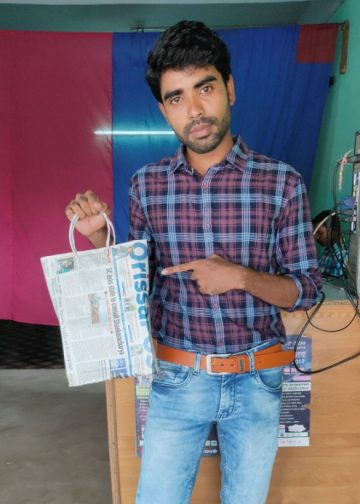
Click Here: Plastic Free Odisha

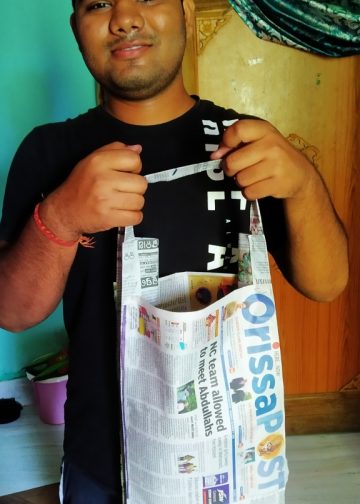
#MyPaperBagChallenge

Pitabas Tripathy

December 12, 2019
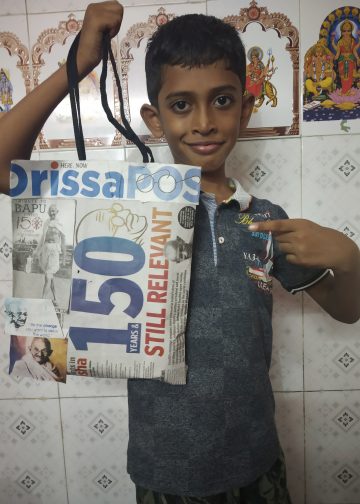
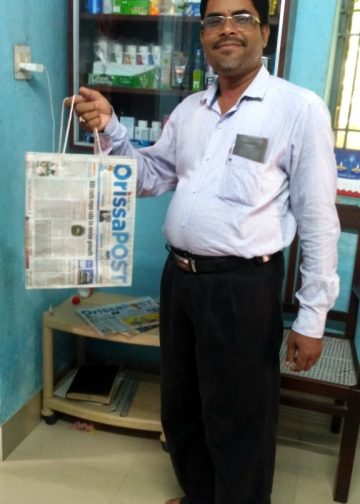
#MyPaperBagChallenge

Matrumangal Jena

December 12, 2019
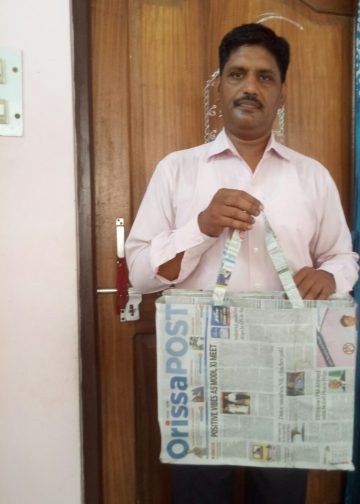
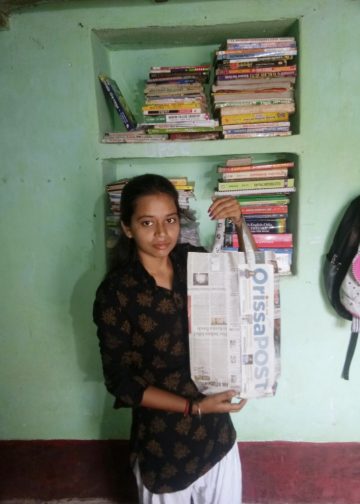
#MyPaperBagChallenge

D Rama Rao

December 12, 2019
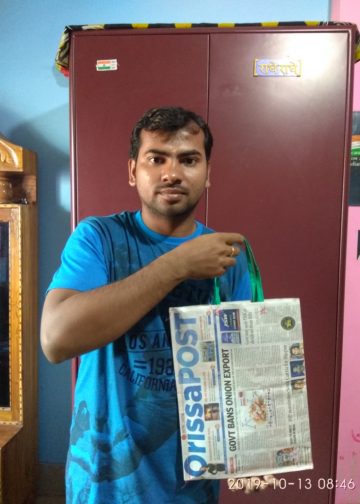
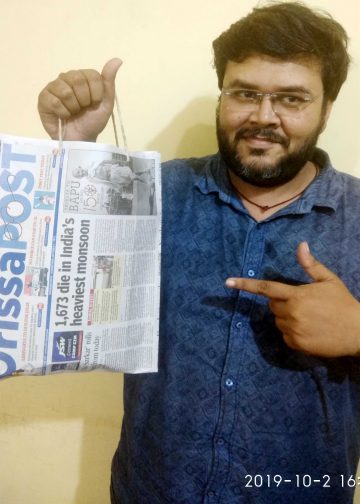
#MyPaperBagChallenge

Tabish Maaz

December 12, 2019
#MyPaperBagChallenge

Keshab Chandra Rout

December 12, 2019
#MyPaperBagChallenge

Aishwarya Ranjan Mohanty

December 12, 2019
#MyPaperBagChallenge

Sarfraz Ahmad

December 12, 2019
#MyPaperBagChallenge

Ipsita

December 12, 2019
#MyPaperBagChallenge

Adweeti Bhattacharya

December 12, 2019
#MyPaperBagChallenge

Saishree Satyarupa

December 12, 2019
#MyPaperBagChallenge

Ramakanta Sahoo

December 12, 2019
#MyPaperBagChallenge

Anshuman Sahoo

December 12, 2019
#MyPaperBagChallenge

Debasis Mohanty

December 12, 2019
#MyPaperBagChallenge

Amritansh Mishra

December 12, 2019
#MyPaperBagChallenge

Anup Mahapatra

December 12, 2019
#MyPaperBagChallenge

Praptimayee Biswal

December 12, 2019
#MyPaperBagChallenge

Pragyan Priyambada

December 12, 2019
#MyPaperBagChallenge

Jyotshna Mayee Pattnaik

December 12, 2019
#MyPaperBagChallenge

Pratik Kumar Ghibela

December 12, 2019
#MyPaperBagChallenge

Archit Mohapatra

December 12, 2019
#MyPaperBagChallenge

Kamana Singh

December 12, 2019
#MyPaperBagChallenge

Smitarani Sahoo

December 12, 2019
#MyPaperBagChallenge

Shreyanshu Bal

December 12, 2019
#MyPaperBagChallenge

Pratik Kumar

December 12, 2019
#MyPaperBagChallenge

Chinmay Kumar Routray

December 12, 2019
?????????????????????????????????????????????????????????????????????????????????????????????????????????????????????????????????
#MyPaperBagChallenge

Dibya Ranjan Das

December 12, 2019
#MyPaperBagChallenge

Spinoj Pattnaik

December 12, 2019
#MyPaperBagChallenge

Tapaswini Mallick

December 12, 2019
#MyPaperBagChallenge

Priyasha Pradhan

December 12, 2019
#MyPaperBagChallenge

Parbati Mohanty

December 12, 2019

Archives

Editorial

Left Alone

Left Alone
January 19, 2026

The prospects of Turkey joining a Saudi Arabia–Pakistan security arrangement that mirrors NATO’s collective defence principle could be a cause...

Read moreDetails

Shattered Illusions

AAKAR PATEL
January 18, 2026

Aakar Patel My generation (I am 56) grew up on the expectation that India would compete with China and become...

Read moreDetails

Raisina Exodus

Power of Continuity
January 17, 2026

For decades, Raisina Hill was not just a location but a metaphor. North and South Block symbolised where power resided,...

Read moreDetails

Carving The Globe

Xi Jinping, Vladimir Putin and Donald Trump
January 14, 2026

A rough sketch of a spheres-of-influence world order is becoming more and more visible as US President Donald Trump takes...

Read moreDetails
  • Home
  • State
  • Metro
  • National
  • International
  • Business
  • Editorial
  • Opinion
  • Sports
  • About Us
  • Advertise
  • Contact Us
  • Jobs
Developed By Ratna Technology

© 2025 All rights Reserved by OrissaPOST

  • News in Odia
  • Orissa POST Epaper
  • Video
  • Home
  • Trending
  • Metro
  • State
  • Odisha Special
  • National
  • International
  • Sports
  • Business
  • Editorial
  • Entertainment
  • Horoscope
  • Careers
  • Feature
  • Today’s Pic
  • Opinion
  • Sci-Tech
  • About Us
  • Contact Us
  • Jobs

© 2025 All rights Reserved by OrissaPOST

    • News in Odia
    • Orissa POST Epaper
    • Video
    • Home
    • Trending
    • Metro
    • State
    • Odisha Special
    • National
    • International
    • Sports
    • Business
    • Editorial
    • Entertainment
    • Horoscope
    • Careers
    • Feature
    • Today’s Pic
    • Opinion
    • Sci-Tech
    • About Us
    • Contact Us
    • Jobs

    © 2025 All rights Reserved by OrissaPOST