In a world where economies increasingly pivot towards experience-driven tourism growth, Odisha finds itself blessed with an en viable portfolio of assets that few states can match. From the majestic spires of the Jagannath Temple in Puri to the serene backwaters of Chilika, from the ancient rock-cut caves of Khandagiri to the wild majesty of Similipal and the pristine Blue Flag beaches of Puri and Sonepur, the breathtaking mountain peaks and waterfalls of Koraput, the state is a living museum of spirituality, ecology, history and tribal heritage. Yet for too long, these treasures have remained under-monetised. Tourism is not merely an add-on sector for Odisha; it is the most potent instrument for inclusive, sustainable and geographically balanced development in a state where large swathes of the population, especially in the western and southern districts, still grapple with limited livelihood options. Developing tourism aggressively can generate lakhs of direct and indirect jobs, empower women and tribal youth, reduce rural-to-urban migration, preserve cultural identity while modernising local economies and earn valuable foreign exchange without the environmental cost that heavy industry often entails. The Economic Survey 2025-26 makes this imperative impossible to ignore.
The Survey presents a picture of an economy firing on multiple cylinders, with real GSDP growth projected at 7.9% for 2025-26, comfortably above both the national average of 7.4% and the state’s own decadal average. The services sector, which includes tourism, trade, hospitality, trans port and IT, is slated to expand at a robust 9.3% and contrib ute 39.1% to Gross State Value Added. This is no coincidence. Behind the numbers lie years of quiet infrastructure build-up, like new domestic flight routes, upgraded airstrips, improved road connectivity to hinterland destinations and the designation of special tourism zones in western Odisha around Hirakud, Debrigarh and Sambalpur. The Survey also acknowledges the state’s push towards ecotourism circuits at Satkosia, Bhitarkanika, Mahendragiri and Chilika, alongside cultural and chors like the Ratha Yatra and Buddhist heritage sites. These initiatives have undoubtedly helped widen the tourist footprint beyond the traditional Puri-Konark-Bhubaneswar golden triangle.


Yet a closer reading reveals that tourism’s contribution, while growing, is still far below its true potential. The sector remains heavily skewed towards religious and seasonal pilgrimage, with limited year-round footfalls in eco, adventure, wellness or heritage segments. Infrastructure bottlenecks persist in last-mile connectivity to tribal and rural destinations. Hotel room inventory, especially mid-segment and eco-lodges, lags behind demand. Skilled manpower like guides, homestay operators, adventure instructors, and interpreters is in short supply. Marketing, both domestic and international, has not yet matched the scale of competing states like Kerala or Rajasthan.
The need to accelerate tourism development is not aspirational but strategic. First, the state must treat tourism as a core infrastructure sector on par with roads and power. This means ring-fencing higher budgetary outlays; the Rs 820 crore allocated in recent budgets is a beginning, not the end. Second, Odisha must move from ‘destination marketing’ to ‘experience branding’. Campaigns that weave together spiritual tourism with wellness retreats, tribal homestays with wildlife safaris and temple architecture with GI-tagged crafts can create unique value propositions that no other state can replicate. Third, sustainability must be non-negotiable. Carrying-capacity studies for Chilika and the wildlife sanctuaries, community-led eco-tourism models, waste management protocols at pilgrim sites, and climate-resilient infrastructure are essential.
Fourth, skill development must be localised and continuous. Partnerships with tourism and hospitality institutes, short-term certification programmes in every district, and incentives for women and tribal youth to become entrepreneurs in the sector can turn tourism into a genuine tool of social justice. Finally, digital enablement, like a unified Odisha Tourism app with real-time booking, virtual tours and grievance redressal, can dramatically improve visitor experience and data-driven policy making.
If policymakers, industry players and local communities seize this moment with imagination and urgency, Odisha can transform itself from a state visited mainly for its temples, waterfalls, and mountain peaks into a year-round, multi-segment tourism powerhouse that powers inclusive prosperity across all 30 districts.
The Survey’s numbers are encouraging, but they are also a gentle prod. The real test of Odisha’s economic maturity will lie not just in crossing the Rs 10-lakh-crore GSDP mark but in ensuring that every visitor who comes to witness the grandeur of Lord Jagannath leaves with memories of a state that has learnt to share its soul with the world profi tably, sus tainably and equitably.
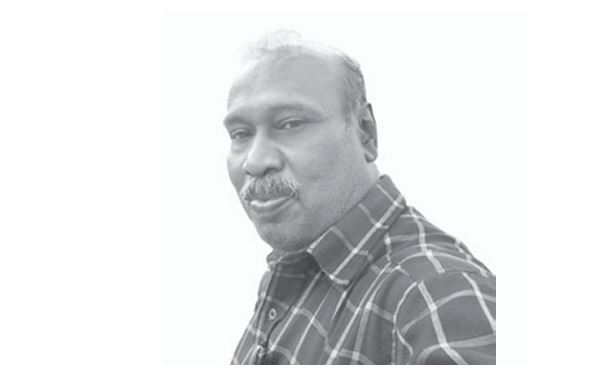
The writer is a former college principal and founder of Supporting Shoulders.