BY ARINDAM GANGULY, OP
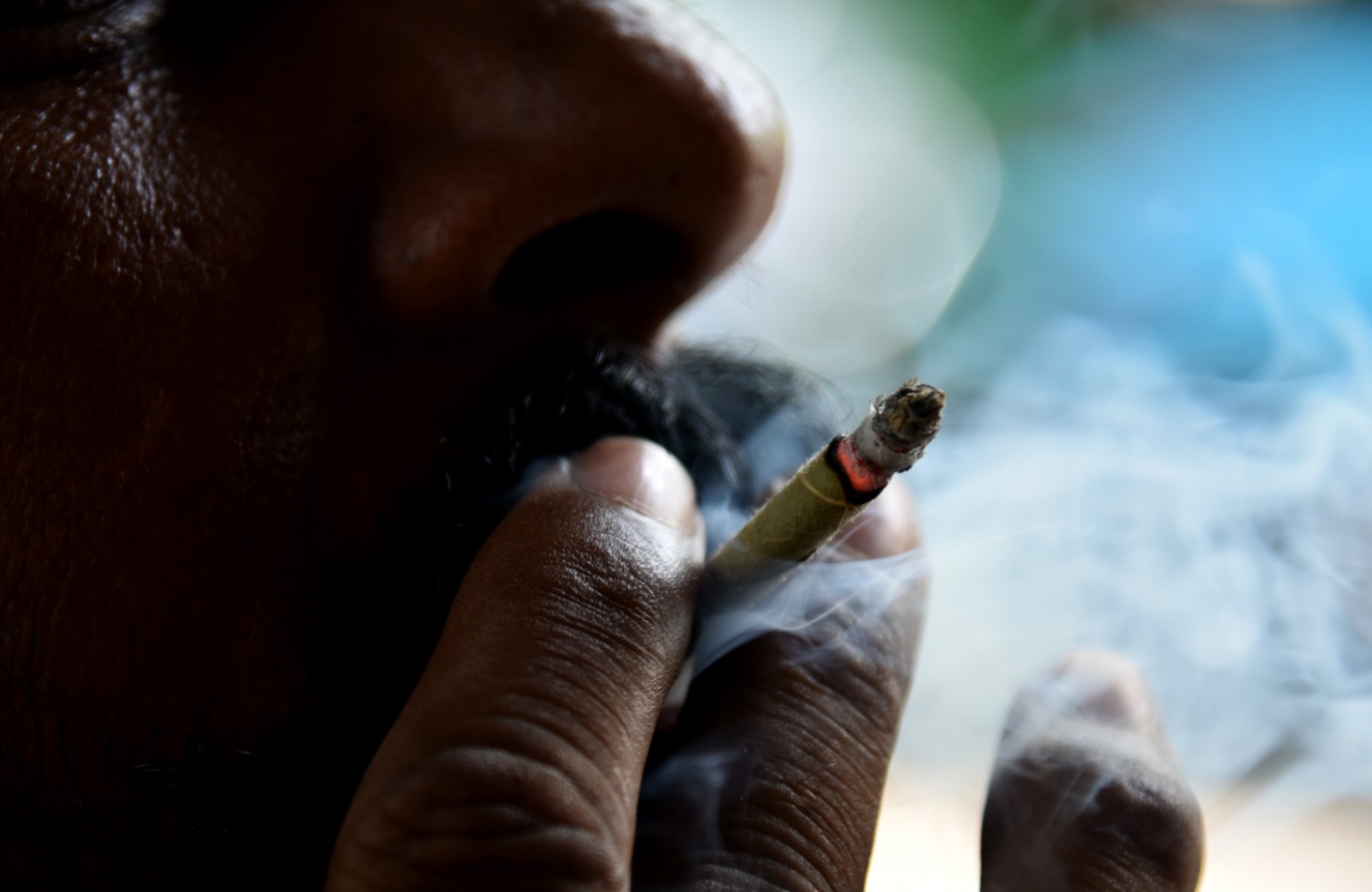
Bhubaneswar: Ahead of World No Tobacco Day, observed annually May 31, experts have raised serious concerns over rising tobacco use in Odisha, particularly among youth. This year’s theme, ‘Unmasking the Appeal: Countering Nicotine and Tobacco Addiction’, highlights the tactics used by the tobacco industry to attract consumers, especially young people.


Anti-tobacco campaigner Mohammad Imran Ali said the industry is increasingly targeting young people through deceptive marketing strategies. “Through misleading advertisements, celebri ty endorsements, attractive packaging, flavoured products and digital promotions, the tobacco industry creates a false impression that tobacco use is fashionable and harmless.
In reality, it destroys health and lives,” he said. Ali called for stricter enforcement of tobacco control laws, stronger awareness campaigns and greater social responsibility to protect younger generations from nicotine addiction.
He also pointed to the easy availability of tobacco products and inadequate cessation support systems as major challenges. Dr Subasish Behe ra, associate professor at SCB Dental College and Hospital, described tobacco as a “silent killer” that damages oral and overall health. “Many young people consider it a status symbol without understanding its hazardous effects,” he said, warning that tobacco use significantly increases the risk of oral cancer, tooth loss and severe gum disease.
Dr Nitish Ranjan Acharya, consultant surgical oncologist at Manipal Hospitals, Bhubaneswar, warned that tobacco-related diseases are increasingly affecting younger age groups. “Many patients in their 30s and 40s are now developing lung cancer, heart disease and chronic respiratory illnesses due to tobacco use,” he said.
Acharya added that the growing popularity of vaping devices and smokeless tobacco among youth is worsening the public health challenge. Explaining why people continue to use tobacco despite knowing its dangers, health expert Dr Amrit PattoJoshi said young people are often influenced by peer pressure, identity, social acceptance and perceived stress relief rather than ignorance.
“Reducing tobacco use among youth requires addressing the social, cultural and mental health factors that drive these behaviours, alongside traditional health warnings,” he said. Despite ongoing awareness campaigns and regulatory efforts, Odisha continues to report high tobacco consumption rates.
According to data from the Global Adult Tobacco Survey (GATS-2), the National Family Health Survey (NFHS-5) and the World Health Organization (WHO), nearly 45.6 per cent of adults in Odisha use tobacco in some form. This includes 57.6 per cent of men and 33.6 per cent of women.
The state also records one of the highest rates of smokeless tobacco use in the country, with around 42.9 per cent of adults consuming products such as khaini, gutkha, gudakhu and paan mixed with tobacco.