By Arindam Ganguly, OP
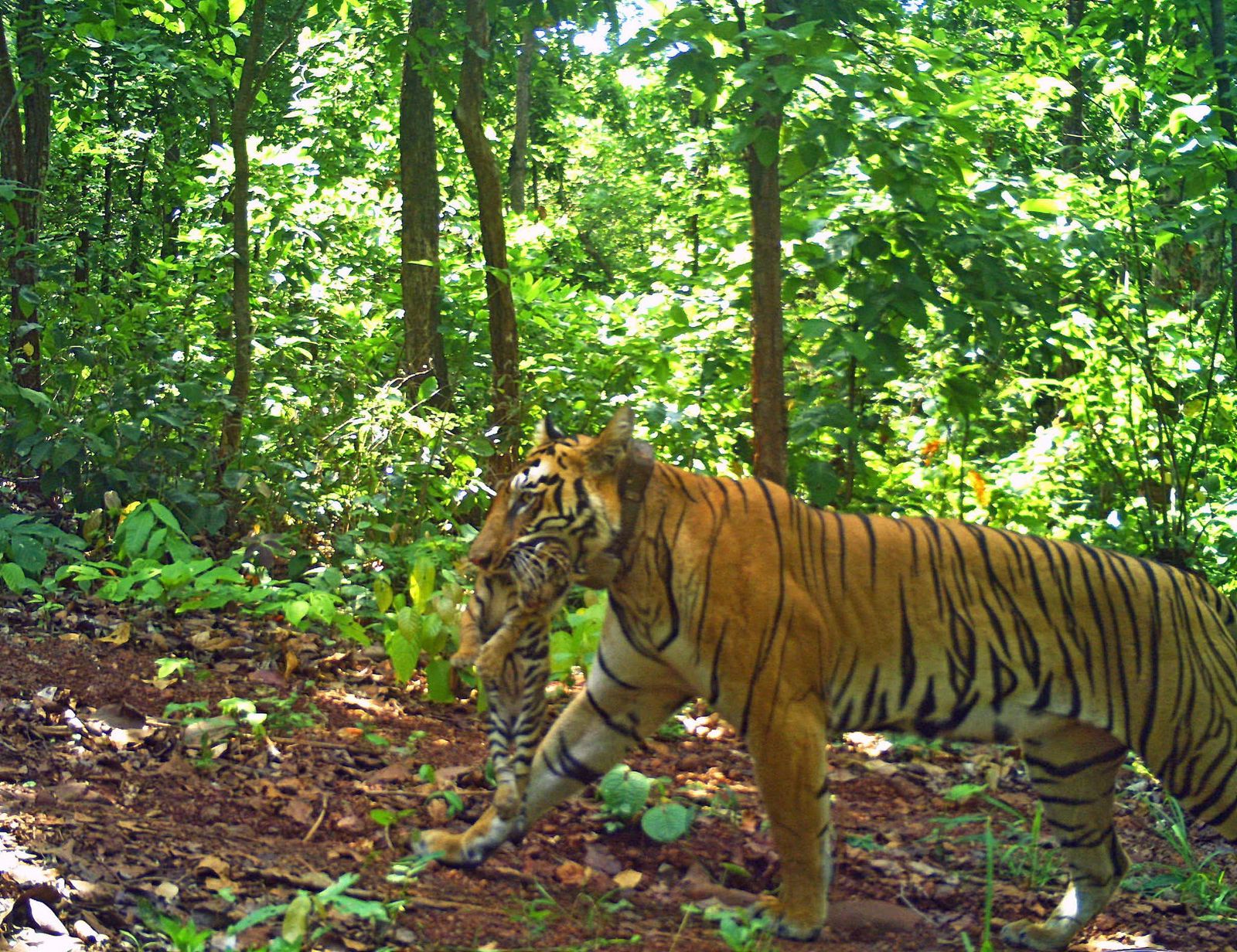
Baripada: On International Tiger Day, Similipal Tiger Reserve (STR) stands as one of India’s most remarkable wildlife conservation success stories.


Once facing a critically low tiger population, the reserve has now emerged as the state’s strongest tiger landscape, demonstrating that protecting the big cat requires much more than increasing numbers—it demands safeguarding entire ecosystems, empowering local communities and investing in science-driven conservation.
The theme for International Tiger Day 2026 — “Securing the Future of Tigers with Indigenous Peoples and Local Communities at the Heart” finds a powerful example in Similipal, where conservation has increasingly become a partnership between the Forest department and indigenous communities that have lived alongside the forests for generations.
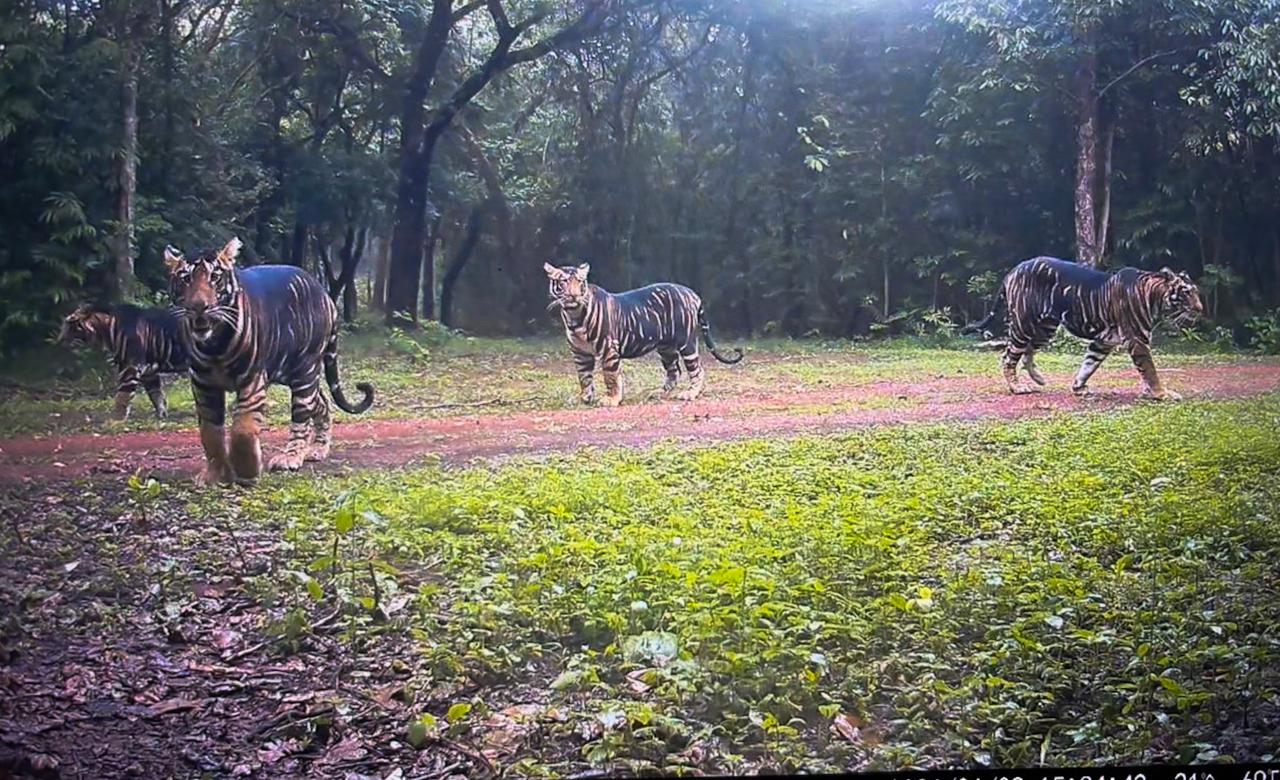
Spread across nearly 2,750 sq km, Similipal is Odisha’s largest tiger habitat and one of India’s richest biodiversity hotspots. Besides being home to elephants, leopards, hundreds of bird species and rich floral diversity, it is globally known for its rare pseudo-melanistic or “black” tigers.
From a population that had dwindled to barely a dozen tigers a few years ago, the reserve today supports more than 35 tigers, including around 15 cubs, making it the state’s principal tiger landscape.
Former Additional Director General (Project Tiger) and former Member Secretary of the National Tiger Conservation Authority, Anup Nayak, said, “Local communities play a vital role in the success of any conservation programme, and tiger conservation is no exception. While India today hosts nearly 70 per cent of the world’s wild tiger population, challenges such as increasing human-tiger conflict will continue to grow alongside tiger numbers.”
Also Read : 500 hectares grassland to be revived to boost tiger population in Odisha’s Similipal
According to Nayak, the success of Project Tiger has largely depended on creating inviolate core habitats where tigers can breed safely, while indigenous communities have contributed through voluntary relocation, reducing pressure on forests and sharing traditional ecological knowledge.
He highlighted the Ama Similipal Yojana as an innovative initiative that provides sustainable livelihood opportunities to nearly 200 peripheral villages, reducing dependence on forest resources and discouraging poaching.
Former Principal Chief Conservator of Forests (Wildlife), Odisha, Susanta Nanda said Similipal’s transformation from a landscape threatened by poaching, forest fires and a dwindling tiger population into one of India’s leading conservation success stories shows that protecting tigers means protecting entire ecosystems.
“In just four years, Similipal has grown from barely a dozen tigers to more than 35, including 15 cubs. This recovery was driven by strong political will, scientific management, modern technology, empowered frontline staff and, above all, the trust and participation of indigenous communities. The biggest lesson from Similipal is that tigers thrive where people become partners, not spectators,” Nanda said.
Environmentalist Biswajeet Panda warned against reducing conservation to tiger population figures alone.
“Similipal’s success is the result of decades of scientific management, conservation leadership and trust built with indigenous communities. Community welfare, timely compensation and habitat protection remain equally important,” he said.
Wildlife filmmaker Vishwajeet Dash said conservation ultimately depends on society’s willingness to value wildlife.
“Tiger conservation cannot rest on the shoulders of a handful of individuals. It succeeds only when society as a whole chooses to care,” he said.
Wildlife activist Sanjukta Basa stressed the need to improve habitat connectivity within Similipal so wildlife can move more freely across the landscape.
“Every landscape has different ecological and social conditions, but strong community participation remains the foundation of successful conservation,” she said.
Former PCCF and Head of Forest Force Debabrata Swain said Similipal’s conservation success is unique because its tiger population has remained geographically isolated for decades, creating both a rare distinction and a long-term challenge.
“Nearly half of Similipal’s tigers are pseudo-melanistic or ‘black’ tigers, a rare genetic trait that has become more common due to prolonged isolation and inbreeding. While this makes Similipal globally unique, limited genetic diversity also increases the risk of disease and reduced reproductive fitness. The long-term solution is to restore gene flow through carefully planned translocation of unrelated tigers from healthy populations,” Swain said.
Looking ahead, Similipal has already begun work on the next phase of conservation.
Field Director Prakash Chand Gogineni said the reserve will restore 500 hectares of degraded grassland using native species to improve grazing areas for herbivores and strengthen the prey base for tigers.