Nabarangpur: Farmers in rain-dependent areas face recurring droughts because of inadequate and erratic rainfall when the monsoon fails, farmlands dry up and crop production is severely affected.
To address the problem, a pilot project has been launched in Kosagumuda block of Nabrangpur district under the Odisha Agriculture Drought Mitigation Programme, funded through the National Disaster Mitigation Fund. It is the first such pilot project in the state.


In the initial phase, the project covers 362 acres of farmland belonging to 528 farmers in Te mara, Kusumi, Churahandi and Murimunda villages under Te mara panchayat. Scientific methods are being used to conserve rainwater and maintain soil moisture.
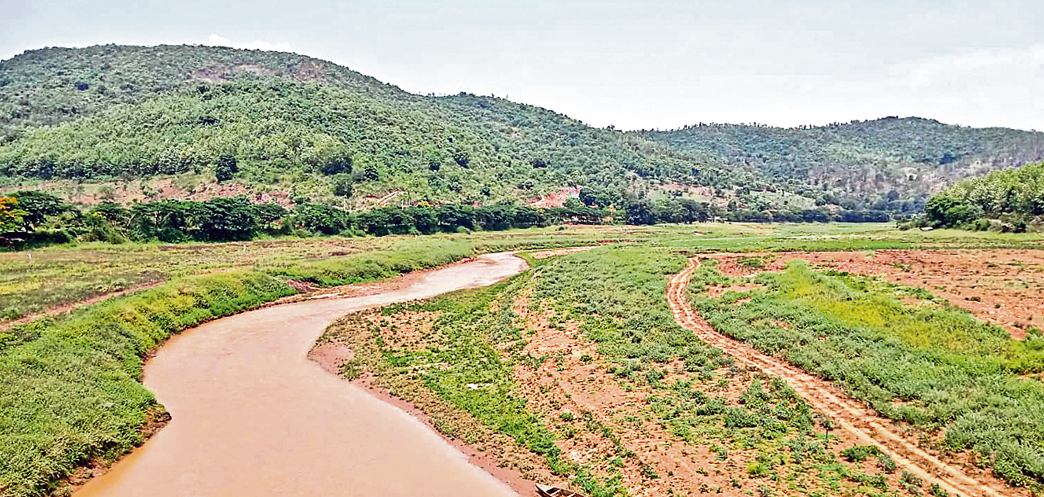
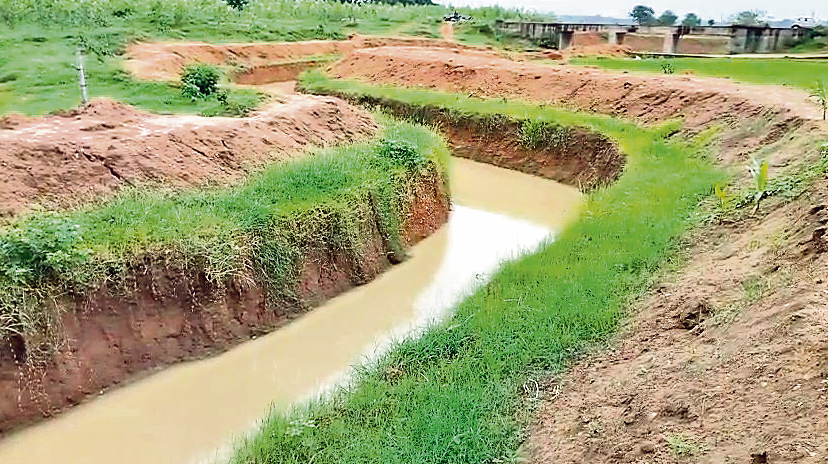
Natural drainage channels have been restored, while small check dams, field channels and raised bunds have been constructed around farmlands. Digital sensors have also been installed on field bunds to monitor soil moisture. The project aims to prevent rainwater from being wasted by retaining it on farmland. Rainwater is stored through field channels and check dams.
Excess water can be drained from fields and stored again in check dams as needed. When soil moisture falls, the stored water can be pumped back onto farmland for irrigation. Officials say the measures have helped improve water levels and could provide a sustainable way to reduce the impact of drought on farming.
Digital sensors are being used to determine the real-time moisture level in the soil, when crops need water and how much water they require. This has helped prevent excessive water use. Even during heavy rainfall, the risk of crops being damaged by waterlogging has been reduced. A natural drainage channel originating from the reserve forest upstream of Temara village has been restored for about 8 km. Small check dams have been built along the channel to hold back rainwater.
Farmers say the measures have raised the groundwater level, helped retain soil moisture in nearby upland fields and reduced cracks in the soil. Various crops, including pigeon pea, ragi and drumstick, are being cultivated in the project area. Farmers Sanapati Morgan, Satyanan Jani and Kamalesh Panigrahi said crops are doing well despite low rainfall.
The project aims to benefit about 8,500 farmers in 16 villages of Kosagumuda block over the next three years. About 3,500 hectares of farmland are expected to benefit from the project. After Nabarangpur, the project will be expanded in phases to Nuapada and Mayurbhanj districts.
Field Executive Officer Udit Shankar Panigrahi said plans are also in place to include nutrition gardens, livestock development, seed banks and organic fertiliser production in the project in the future.
Nabarangpur farmers are finding new hope in the combination of rainwater conservation, scientific water management and digital technology to combat drought rather than waiting for rainfall, said in-charge District Agriculture Officer Biswajit Sahu.