TRINATH MOHANTY, OP
Bhubaneswar: A hawala fraud racket appears to be spreading its tentacles across the state, with fraudsters targeting people in different districts by promising to provide U.S. dollars in exchange for Indian currency. At least 10 people have allegedly fallen victim to the racket in the past week, losing more than Rs 1.5 crore in total.


The victims have approached police stations, but police have reportedly declined to register cases, citing the illegal nature of hawala transactions and the absence of online transaction records. According to the victims, the fraudsters collected cash through hawala channels after promising to provide U.S. dollars. After receiving the money, the accused allegedly disappeared without delivering the dollars.
The racket’s network reportedly extends from Odisha to Kolkata and Dubai. The victims said they were lured with assurances that the hawala channel could facilitate the exchange of Indian currency for U.S. dollars. Police have reportedly told complainants that since hawala transactions are illegal and carried out entirely in cash, there is little documentary or digital evidence to establish the transactions or identify the accused.
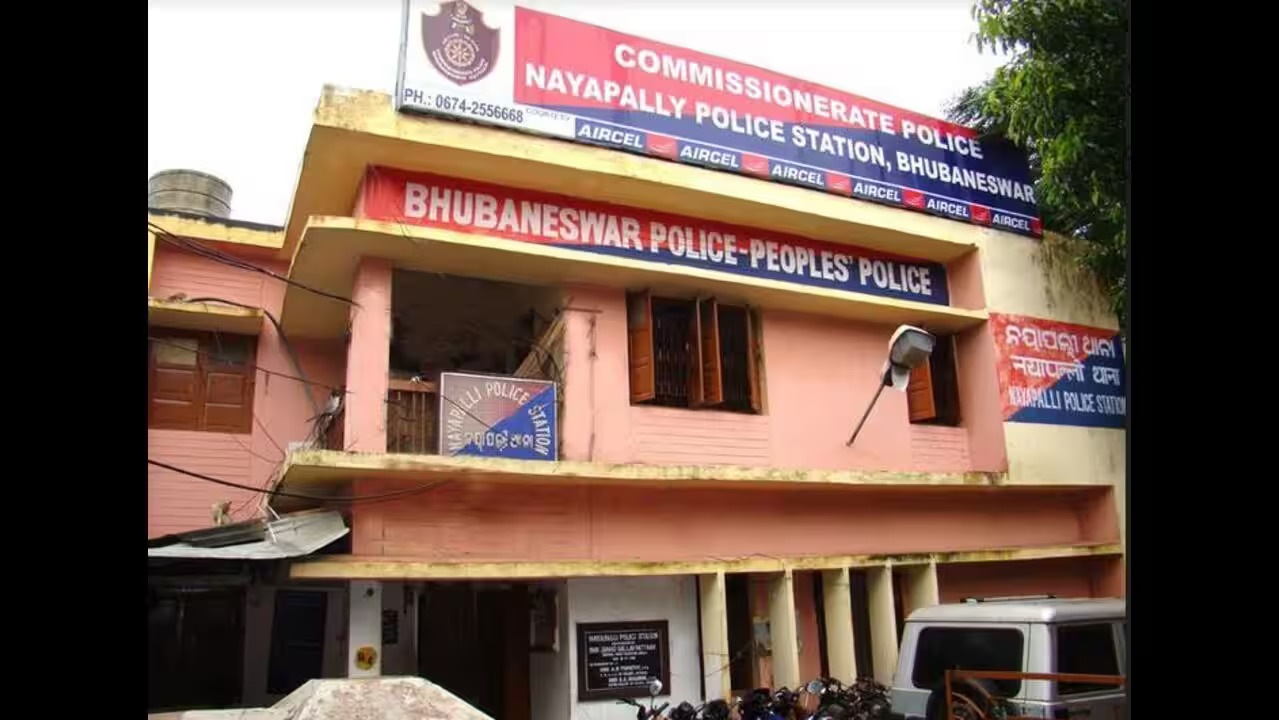
As a result, the complainants have returned home without their cases being registered. Among those allegedly duped are residents of Nayapalli in the Capital city; Atal Bajpai, Siddhartha Nayak and Binod Ghatua, along with others. They approached Laxmisagar and Nayapalli police stations with complaints, but police reportedly declined to register cases.
As per reports, Atal, Siddhartha and others trade online and require U.S. dollars for their transactions. They came in contact online with a broker in Kolkata who claimed to be involved in international hawala transactions and said he had an office in Bhubaneswar and other parts of Odisha. He told them that his agent in Bhubaneswar would contact them.
Soon after, a young man called them, identified himself as the broker’s agent and asked to meet them. After meeting them in the Laxmisagar area, Atal and others paid more than Rs 25 lakh in cash. However, after receiving the money, the accused did not provide the promised U.S. dollars. Repeated calls went unanswered as the accused’s phone remained switched off.
The visiting card provided by the accused was also found to be fake. After realizing that they had been cheated, the victims approached the police station, but alleged that police did not register their complaint. They said they would seek legal recourse. In a similar case earlier, a bar owner was allegedly cheated of Rs 1.5 crore in a hawala transaction.
Although several people have reportedly fallen victim to such fraud, many do not approach the police because hawala transactions are illegal. A senior police officer said hawala transactions are illegal in India and both those operating such networks and those handing over money through them can face legal action. Taking advantage of this, some brokers are cheating people, the officer said.