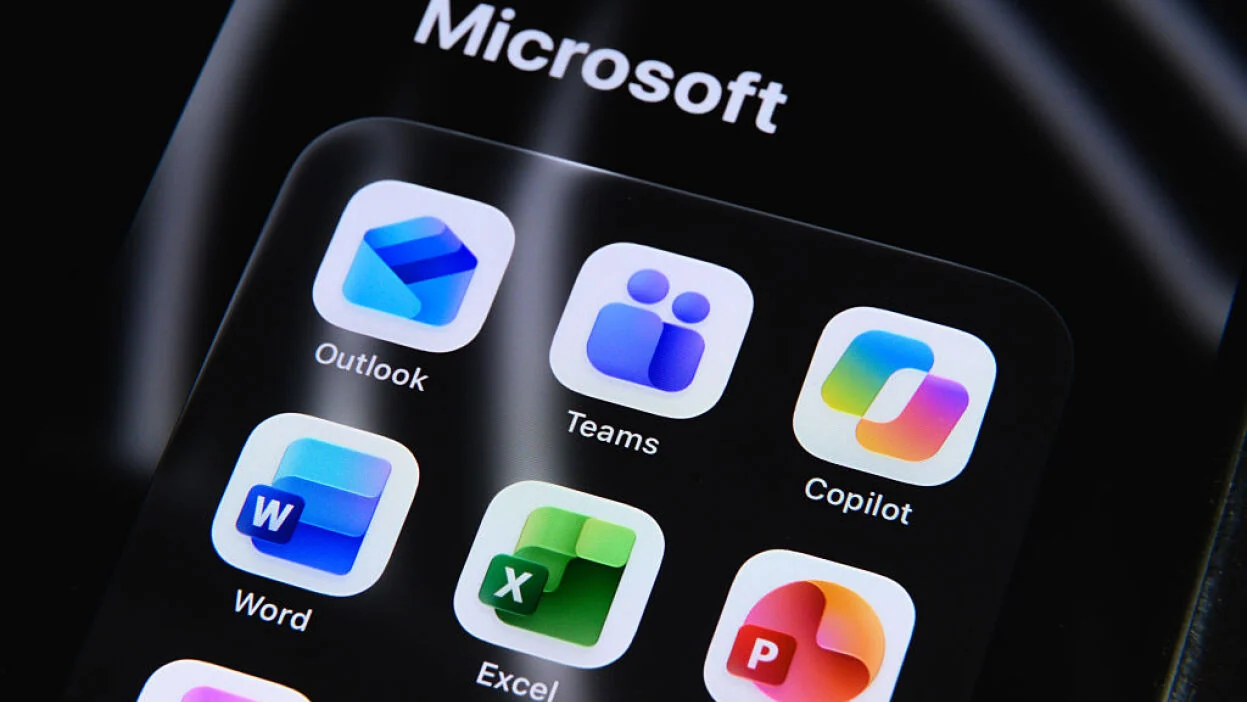
Melbourne: When a massive outage hit Microsoft late last week, much of the digital world ground to a halt. The outage wiped out key Microsoft services including Outlook, Teams and Copilot, which are used by more than 430 million people around the world. As email and internal communications froze, the operations of governments and businesses went dark alongside them, triggering an economic paralysis that could cost billions of dollars. While the global economy absorbs the brunt of this paralysis, Microsoft faces both a severe reputational hit and contractual penalties that could reach up to USD 800 million per day for services they failed to deliver.
Such a catastrophic outage shows just how precarious our modern digital infrastructure is. It depends on a handful of big tech companies, which have essentially become too big to fail. So how did we end up in this situation? And is there a way out? The initial source of Microsoft’s failure was incredibly innocuous. Data centres usually share the load of user demands across systems all over the world. However, last week, a small configuration change caused the company to lose control of some of their computers. Unable to share the load, these computers dropped user requests onto other systems, overwhelming them and producing more outages. This pattern repeated over and over again until the company lost almost complete control of their network. Worse, disconnected user devices — phones, email clients and business systems — all automatically tried to reconnect at once, crashing Microsoft’s systems all over again. Historically, a tech outage might affect a single company. But the reason Microsoft’s outage could impact millions of people comes down to a business revolution that silently took place over 20 years ago. Software was once something that was sold to companies once for an upfront cost. In this model, purchasers held great power — only buying new versions if the update justified the expense.


Yet, these upfront expenses also scared consumers off. Drawing inspiration from telecommunications, gyms and real estate leasing, the tech industry transitioned to renting access to their products, creating what is now known as “software as a service”. In theory, everyone profited from this model. Software vendors could bank more reliable cash flow, and customers could transition to regular smaller payments, rather than stumping up for large upfront costs. Ultimately, this change shifted the balance of power towards tech companies. Instead of pursuing features they needed, consumers handed the keys to their operational kingdoms to the “software as service” providers, and locked themselves into highly expensive long-term contracts in the process. The global financial crisis in 2008 introduced the world to the idea of too big to fail. When it hit, the public was left to pick up the pieces of banks that had become too systemically important to be allowed to fail. Unfortunately, it appears we haven’t really learned those les sons. Instead, we’ve spent the last few years living through a slow-motion version of that with the tech industry.
Centralisation, consolidation and unchecked monopolies have left our digital lives, our businesses and our governments in an incredibly precarious place. On one level or another, almost everything on the internet goes through Google, Microsoft, Meta, Amazon Web Services or CrowdStrike — all of which have had major outages over recent years. These big tech giants earned our trust by providing unified, seemingly invincible infrastructure. But the convenience that comes with centralisation holds a trap. Unlike the banking sector in 2008, when these tech titans fail, they don’t need to ask governments to bail them out. Instead, their centrality forces the entire digital economy to bear the costs of their outage.
Orissa POST – Odisha’s No.1 English Daily