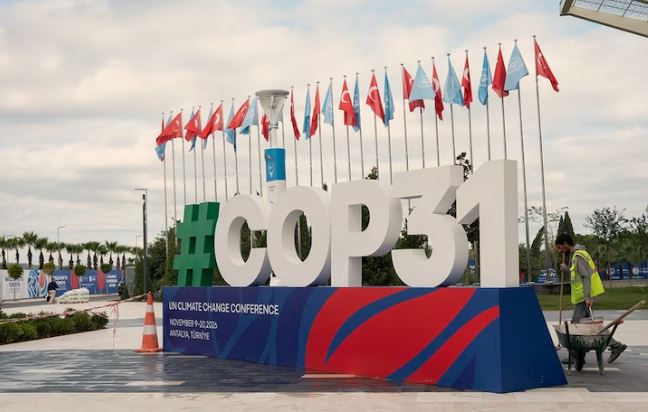
The just ended longest-running COP31 climate talks in the history of the UN conference turned out to be a farce with the countries failing to reach a consensus even on the use of the words, “fossil fuels,” – the main culprit causing global warming and climate change. The summit held in Antalya in Turkey concluded with no new deal to tackle climate change. The bone of contention was the mention of fossil fuels in the draft text. The European Union (EU) and other parties rejected the fi nal draft agreement for dropping the term. The EU, the UK and allies in the developing world turned down what they called an unacceptable deal on the future of the climate. This was rather an anti-climax since, when the talks had begun 20 days back, there were high hopes that the talks would progress in a positive manner. The expectations stemmed from the fact that US President Donald Trump, who had earlier torpedoed the fi ght against climate change by withdrawing his country from concerted actions to curb carbon emissions, had become lame duck following his party’s resounding defeat in the US mid-term polls. The proponents of actions against carbon emissions were also emboldened by the re-election of President Lula of Brazil, a key crusader against climate change and destruction of the world’s largest rainforests in the Amazon.
The talks in Turkey were scheduled to end November 20, but they dragged on for two more days. By then it became clear that the “Antalya pact”, drafted by the Turkish and Australian joint presidencies of the summit, would not achieve the consensus needed to pass. The Antalya pact calls upon countries to lay greater stress on generation of electricity, urges rich countries to provide finance to the poor to help them adapt to the impacts of the climate crisis and sounds a clarion call on all countries to minimise the “overshoot” of the 1.5 degree Celsius global heating threshold marked by the Paris agreement.
Also Read


But the irony was the summit even failed to endorse the “transition away from fossil fuels” that more than 130 countries demanded. Instead, it included, on the insistence of Saudi Arabia and its allies, the controversial provisions on “carbon capture and storage” (CCS) technology that some have said perpetuates fossil fuels. The CCS effectively means fossil fuels will continue to be produced and the use of technology to reduce their harmful impact on the climate will virtually legitimize the production.
However, a poor attempt was made by the presidencies to avoid outright collapse of the COP by passing decisions on various related matters, including the “just transition” to help workers in high-carbon industries shift to a low-carbon economy. Murat Kurum, Turkey’s COP president, summed up the fiasco when he said despite the organisers’ best efforts there were “parties in this hall who oppose this text” for which the consensus document could not be adopted. This is terribly disappointing news for countries facing failed harvests, destroyed homes and mounting debt. They have been abandoned by the wealthy nations most responsible for the crisis. Consequently, representatives of Pacific island nations felt “let down” by this year’s conference. It is really unfortunate that the focus on fossil fuels overshadowed discussions on climate adaptation funding for development nations. Whether that was the ulterior motive of the fossil fuel lobby is open to question.