ARINDAM GANGULY, OP
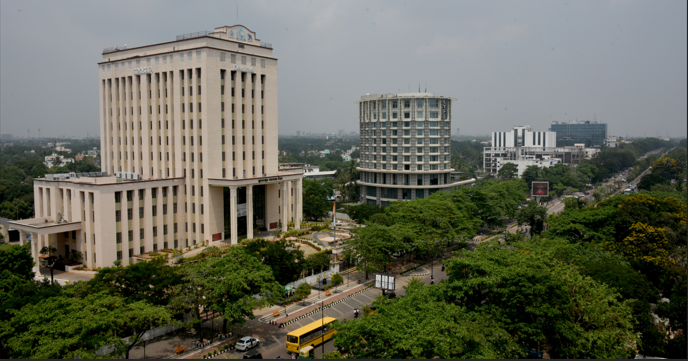
Bhubaneswar: The Capital city celebrated its 78th Foundation Day Monday, marking nearly eight decades of planned urban growth, rich heritage, and evolving aspirations.


As the City commemorated this milestone, experts, planners, and citizens reflected on what makes Bhubaneswar unique—and what lies ahead in its journey towards becoming a more inclusive and citizen-friendly Capital.
Archaeologist and cultural curator Jitu Mishra highlights Bhubaneswar’s deep historical legacy, noting that it is among the few major Indian cities with continuous archaeological roots dating back to the 3rd century BCE, during Emperor Ashoka’s reign.
“Over time, the City has been shaped by Buddhism, Jainism, Shaivism, Shakti worship, and Vaishnavism,” he says.
Also Read: Chief Secy Garg reviews preparations
“This confluence reflects a tradition of tolerance, artistic excellence, and spiritual diversity,” Mishra says, adding that this historical synthesis continues to shape modern Bhubaneswar, which now thrives in commerce, culture, sports, education, and innovation.
Urban planner Piyush Ranjan Rout notes that modern Bhubaneswar was conceived in 1948 under the vision of Otto H. Königsberger, making it one of India’s earliest planned cities.
He says that while its design drew inspiration from global cities like Barcelona, London, and Rio de Janeiro, its true identity lies in blending tradition with modern urban planning.
Rout, however, cautions that the City risks losing its original planning ethos, and stresses the need to preserve key heritage zones such as Ekamra Kshetra, Dhauli, Khandagiri Caves, and Udayagiri Caves.
Healthcare expert and resident Amrit Pattojoshi says the human-scale design remains one of the City’s greatest strengths.
“What makes Bhubaneswar unique is its balance—planned infrastructure, green spaces, and a relatively calm pace of life compared to other capitals,” he says.
He further emphasises that modernisation must prioritise citizen experience through better roads, improved pedestrian safety, strengthened last-mile connectivity, and a more vibrant urban culture.
At the same time, he cautions against emerging social challenges, including substance abuse among youth, calling for proactive measures in awareness, enforcement, and mental health support.
Social activist Saroj Barik underscores the importance of inclusive development as Bhubaneswar attracts investments and a diverse workforce.
“The City’s growth must benefit everyone,” he says, stressing the need for affordable housing, efficient transport, improved living conditions, and strong social security systems to ensure dignity and opportunity for all sections of society.
Experts agree that while Bhubaneswar has grown rapidly, infrastructure development has not always kept pace with future needs.
Investments in mass rapid transit systems—including metro rail, trams, and advanced bus networks—are seen as essential to achieving the vision of a developed Odisha by 2036.