
Odisha News, Odisha Latest news, Odisha Daily - OrissaPOST
  • Home
  • Trending
  • State
  • Metro
  • National
  • International
  • Business
  • Feature
  • Entertainment
  • Sports
  • More..
    • Odisha Special
    • Editorial
    • Opinion
    • Careers
    • Sci-Tech
    • Timeout
    • Horoscope
    • Today’s Pic
  • Video
  • Epaper
  • News in Odia
  • Home
  • Trending
  • State
  • Metro
  • National
  • International
  • Business
  • Feature
  • Entertainment
  • Sports
  • More..
    • Odisha Special
    • Editorial
    • Opinion
    • Careers
    • Sci-Tech
    • Timeout
    • Horoscope
    • Today’s Pic
  • Video
  • Epaper
  • News in Odia
No Result
View All Result
OrissaPOST - Odisha Latest news, English Daily -
No Result
View All Result

Challenge with multiple facets

The NDA government needs to address joblessness by creating opportunities in agriculture, industry and service sector

Pradeep Kumar Panda
Updated: September 5th, 2018, 23:44 IST
in Opinion
0
Share on FacebookShare on TwitterShare on WhatsAppShare on Linkedin
Pradeep Kumar Panda

Pradeep Kumar Panda

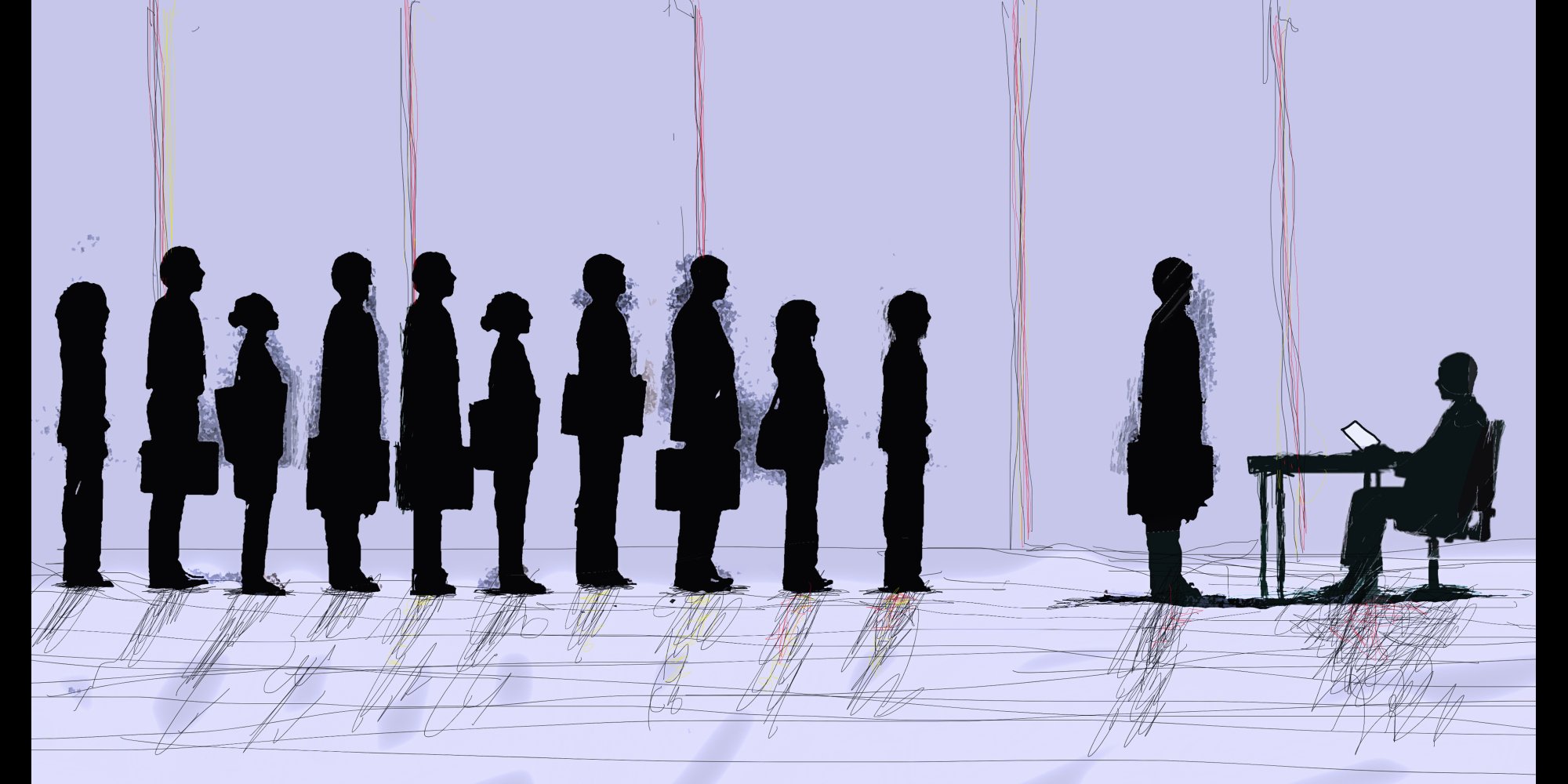
Unemployment is one of the biggest challenges the present National Democratic Alliance (NDA) government is facing. Reports suggest there is a backlog of 0.24 million job vacancies in the public sector. With the public sector being the biggest contributor to formal employment in the country, this backlog speaks volumes about the nature of jobs the government claims to have created. Over the past decade, an organised sector-driven informalisation of employment has worried development practitioners in India; the surfeit of vacancies in the government indicates policy impulse supportive of such ‘informalisation’ of labour.

Also Read

Siba Sankar Sahu

Correct the Map

1 day ago
Santosh Kumar Mohapatra

GDP deflator is the villain

2 days ago

The government appears to be in denial of this informalisation as being policy-induced. By supplanting employment-unemployment estimates traditionally used by National Sample Survey Office with the Employees Provident Fund Organisation’s database of inconsistent quality, the government is trying to sweep some disconcerting evidences under the carpet.

While low levels of education and skill are used to explain informalisation in the unorganised sector, the same in the organised sector is perplexing. It is more so when such informalisation occurs in specialised fields such as academia.

By supplanting employment-unemployment estimates traditionally used by NSSO with the EPFO’s database of inconsistent quality, the government is trying to sweep some disconcerting evidences under the carpet


Evidence from developing countries in Latin America and the Caribbean shows that highly skilled workers can voluntarily choose informal employment where there is a premium for education. Whether this can be the case in India, is doubtful. A study of attitude, anxieties and aspirations of Indian youth conducted by the Centre for the Study of Developing Societies in 2017, revealed that permanency rather than earnings is an important determinant of job choice in India. More than three-fifths of youths reported a preference for government jobs, and this share barely changed over the last decade.

Driven by the traditional perception that the government is the most secure employer in the country, the pressure of aspiration that the public sector handles has been perpetually high. Consider the recent case where 1.24 million candidates appeared for 90,000 vacancies in the Indian Railways. But this does not seem to conform to the economic principles governing returns to education. One cannot dismiss that a potential factor fuelling this ratcheting aspiration is the vicious cycle of misallocation of personnel and rent-seeking, which has characterised public sector employment in India, historically. At the same time, it also makes the cost of entering the government job market prohibitive. Jobseekers, unable to crack through such a system, are more likely to fall back on informal arrangements. Calling such moves “voluntary” is erroneous. Simultaneously, people-pleasing policies, such as pay hikes through successive pay commissions, have made recruitment an expensive affair for the government itself, particularly for state governments, who find it difficult to match up to the central government pay-packages with their limited resources. Permanent posts lie vacant. Replacing these with increasing number of contractual or casual recruitment can help governments save their “welfarist” image.

Informalisation of employment is a natural corollary of neo-liberalism. And India is no exception to this. Employment policies driving informalisation cannot be attributed to any particular government. It fits the bill of the neo-liberal states, in general. On one side, it favours the private sector-led growth strategy. From the perspective of businesses, informal employment (casualisation per se) can keep costs down, a factor that is perhaps more important than incremental productivity, in staying competitive. At the same time, it gels well with the principle of fiscal austerity of neo-liberals. What is more worrying, in this context, is when governments turn a blind eye to these structural changes to evade liabilities. Institutions that do not acknowledge and account for these transitions will fail to mitigate the onslaught of social polarisation that is inevitable with neo-liberalism.

The government needs to address these unemployment challenges by creating opportunities in the agriculture, industry and service sectors.

The writer is an economist.

Tags: Pradeep Kumar Panda
Share4TweetSendShare
Suggest A Correction

Enter your email to get our daily news in your inbox.


OrissaPOST epaper Sunday POST OrissaPOST epaper

Click Here: Plastic Free Odisha

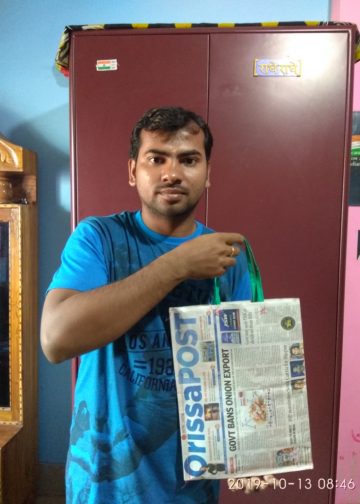
#MyPaperBagChallenge

Mrutyunjaya Behera

December 12, 2019
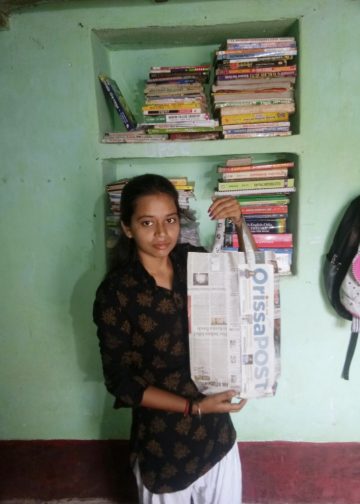
#MyPaperBagChallenge

Sitakanta Mohanty

December 12, 2019
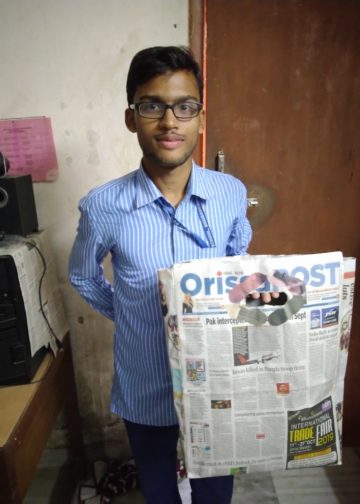
#MyPaperBagChallenge

Anup Mahapatra

December 12, 2019
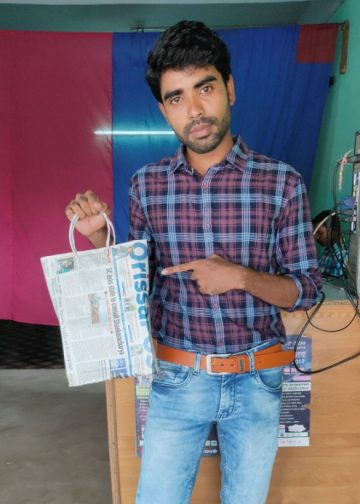
#MyPaperBagChallenge

Ramakanta Sahoo

December 12, 2019
#MyPaperBagChallenge

Ankita Balabantray

December 12, 2019
#MyPaperBagChallenge

Subhajyoti Mohanty

December 12, 2019
#MyPaperBagChallenge

Debasis Mohanty

December 12, 2019
#MyPaperBagChallenge

Archit Mohapatra

December 12, 2019
#MyPaperBagChallenge

Pratik Kumar Ghibela

December 12, 2019
#MyPaperBagChallenge

Aman Kumar Barisal

December 12, 2019
#MyPaperBagChallenge

Anasuya Sahoo

December 12, 2019
#MyPaperBagChallenge

Akshaya Kumar Dash

December 12, 2019
#MyPaperBagChallenge

Subhajyoti Mohanty

December 12, 2019
#MyPaperBagChallenge

Akriti Negi

December 12, 2019
#MyPaperBagChallenge

Ipsita

December 12, 2019
#MyPaperBagChallenge

Matrumangal Jena

December 12, 2019
#MyPaperBagChallenge

Parbati Mohanty

December 12, 2019
#MyPaperBagChallenge

Jhili Jena

December 12, 2019
#MyPaperBagChallenge

Saishree Satyarupa

December 12, 2019
#MyPaperBagChallenge

Sipra Mishra

December 12, 2019
#MyPaperBagChallenge

Pragyan Priyambada

December 12, 2019
#MyPaperBagChallenge

Mandakini Dakua

December 12, 2019
#MyPaperBagChallenge

Anshuman Sahoo

December 12, 2019
#MyPaperBagChallenge

Swarit Praharaj

December 12, 2019
#MyPaperBagChallenge

Aishwarya Ranjan Mohanty

December 12, 2019
#MyPaperBagChallenge

Amritansh Mishra

December 12, 2019
#MyPaperBagChallenge

Rajashree Pravati Mohanty

December 12, 2019
#MyPaperBagChallenge

Diptiranjan Biswal

December 12, 2019
#MyPaperBagChallenge

Narendra Kumar

December 12, 2019
#MyPaperBagChallenge

Faiza Firdous

December 12, 2019

Archives

Editorial

UCC Card

September 15, 2026

Union Home Minister Amit Shah’s announcement on 13 September of the government’s resolve to enforce the Uniform Civil Code (UCC)...

Read moreDetails

AI Caution

AI or Artificial intelligence
September 14, 2026

What started with an apocalyptic warning from a former Anthropic researcher on 9 September that AI (Self improving super intelligence)...

Read moreDetails

Rights on Trial

September 13, 2026

By Aakar Patel "Attendance at the hearing is mandatory. Please treat this as urgent and make the necessary arrangements to...

Read moreDetails

Battles We Don’t See

September 12, 2026

By Dilip Cherian The death of Rakesh Mehta, former Chief Secretary of Delhi, is deeply saddening. But beyond the shock...

Read moreDetails
  • Home
  • State
  • Metro
  • National
  • International
  • Business
  • Editorial
  • Opinion
  • Sports
  • About Us
  • Advertise
  • Contact Us
  • Jobs
Developed By Ratna Technology

© 2025 All rights Reserved by OrissaPOST

  • News in Odia
  • Orissa POST Epaper
  • Video
  • Home
  • Trending
  • Metro
  • State
  • Odisha Special
  • National
  • International
  • Sports
  • Business
  • Editorial
  • Entertainment
  • Horoscope
  • Careers
  • Feature
  • Today’s Pic
  • Opinion
  • Sci-Tech
  • About Us
  • Contact Us
  • Jobs

© 2025 All rights Reserved by OrissaPOST

    • News in Odia
    • Orissa POST Epaper
    • Video
    • Home
    • Trending
    • Metro
    • State
    • Odisha Special
    • National
    • International
    • Sports
    • Business
    • Editorial
    • Entertainment
    • Horoscope
    • Careers
    • Feature
    • Today’s Pic
    • Opinion
    • Sci-Tech
    • About Us
    • Contact Us
    • Jobs

    © 2025 All rights Reserved by OrissaPOST