Odisha News, Odisha Latest news, Odisha Daily - OrissaPOST
  • Home
  • Trending
  • State
  • Metro
  • National
  • International
  • Business
  • Feature
  • Entertainment
  • Sports
  • More..
    • Odisha Special
    • Editorial
    • Opinion
    • Careers
    • Sci-Tech
    • Timeout
    • Horoscope
    • Today’s Pic
  • Video
  • Epaper
  • News in Odia
  • Home
  • Trending
  • State
  • Metro
  • National
  • International
  • Business
  • Feature
  • Entertainment
  • Sports
  • More..
    • Odisha Special
    • Editorial
    • Opinion
    • Careers
    • Sci-Tech
    • Timeout
    • Horoscope
    • Today’s Pic
  • Video
  • Epaper
  • News in Odia
No Result
View All Result
OrissaPOST - Odisha Latest news, English Daily -
No Result
View All Result

Children in India, Pakistan, B’desh at ‘extremely high risk’ of climate change: UNICEF

Indo-Asian News Services
Updated: August 21st, 2021, 15:34 IST
in National, Top Stories
0
Share on FacebookShare on TwitterShare on WhatsAppShare on Linkedin

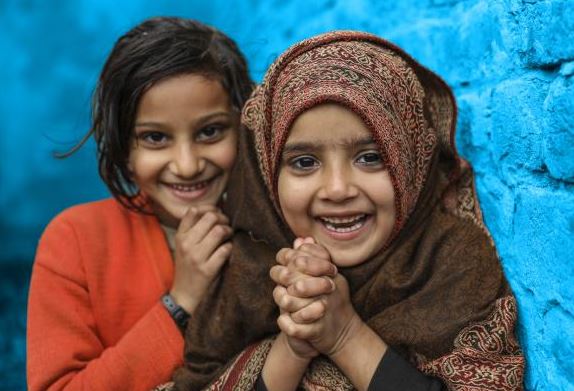
New Delhi: Young people living in Afghanistan, Bangladesh, India and Pakistan are among those most at risk of the impacts of climate change, threatening their health, education, and protection, pointed a new Unicef report released Saturday.

In addition, Nepal and Sri Lanka are among the top 65 countries most impacted globally.

Also Read

BJP woman worker assaulted

Hubballi video triggers row over alleged police assault on BJP worker

3 hours ago
Ration benefit

47,215 in Koraput may lose ration benefits over pending e-KYC

3 hours ago

‘The Climate Crisis Is a Child Rights Crisis: Introducing the Children’s Climate Risk Index’ (CCRI) is Unicef’s first child-focused climate risk index. It ranks countries based on children’s exposure to climate and environmental shocks, such as cyclones and heatwaves, as well as their vulnerability to those shocks, based on their access to essential services.

Pakistan, Bangladesh Afghanistan and India are among four South Asian countries where children are at extremely high risk of the impacts of the climate crisis, with a ranking of 14, 15, 15 and 26, respectively. While Nepal is ranked 51, Sri Lanka is at 61st place. Bhutan is ranked 111, with children at relatively lower risk.

Approximately 1 billion children live in one of the 33 countries classified as “extremely high-risk”, including the four South Asian countries.

“For the first time, we have clear evidence of the impact of climate change on millions of children in South Asia. Droughts, floods, air pollution and river erosion across the region have left millions of children homeless and hungry, and without any healthcare and water,” said George Laryea-Adjei, Unicef Regional Director for South Asia.

“Together, climate change and the Covid-19 pandemic have created an alarming crisis for South Asian children. The time to act is now – if we invest in water, healthcare and education, we can protect their futures from the impacts of a changing climate and degrading environment,” he said further.

The report found that these South Asian children are in constant danger from riverine floods and air pollution, but also that investments in child health, nutrition, and education can make a significant difference to protect children from climate change.

South Asia is home to over 600 million children and has the highest number of young people globally. South Asian countries are among the most vulnerable globally to the impacts of climate change. Extreme climate-related events – heatwaves, storms, floods, fires and droughts – affect more than half of the region’s population every year and continue to burden South Asian countries’ economies.

Rising global temperatures and changing weather patterns have put the futures of millions of children living in climate-vulnerable areas in South Asia at constant risk. Worse, before they can recover from one disaster, another one strikes, reversing any progress made.

The report also reveals disconnect between where greenhouse gas emissions are generated, and where children are enduring the most significant climate-driven impacts. The 33 extremely high-risk countries, including four from South Asia, collectively emit just 9 per cent of global CO2 emissions. Conversely, the 10 highest emitting countries collectively account for nearly 70 per cent of global emissions.

Compared to adults, children require more food and water per unit of their body weight, are less able to survive extreme weather events, and are more susceptible to toxic chemicals, temperature changes and diseases, among other factors. Without the urgent action required to reduce greenhouse gas emissions globally, children will continue to suffer the most.

Dr. Yasmin Ali Haque, Unicef India Representative said, “Climate change is a child rights crisis. The Children’s Climate Change Index data has pointed to the serious deprivations faced by children, due to the intensifying effect that climate and environmental shocks have on existing inadequate access to essential services, such as water and sanitation, healthcare and education. Understanding where and how children are uniquely vulnerable to this crisis is crucial to building our resilience and effectively addressing climate change.

“Unicef hopes the findings of the report will help prioritize action to protect those most at risk and to ensure that children inherit a livable planet,” Dr. Haque said.

 

Tags: BangladeshClimate ChangeIndiaPakistanUNICEF
ShareTweetSendShare
Suggest A Correction

Enter your email to get our daily news in your inbox.

Advertisement


OrissaPOST epaper Sunday POST OrissaPOST epaper

Click Here: Plastic Free Odisha

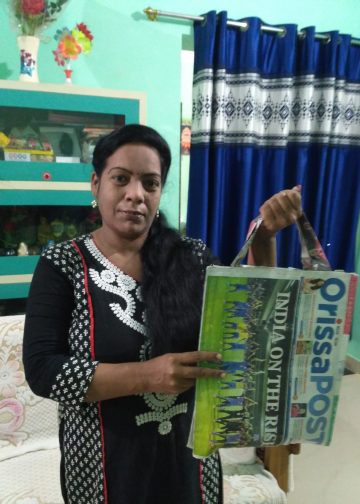
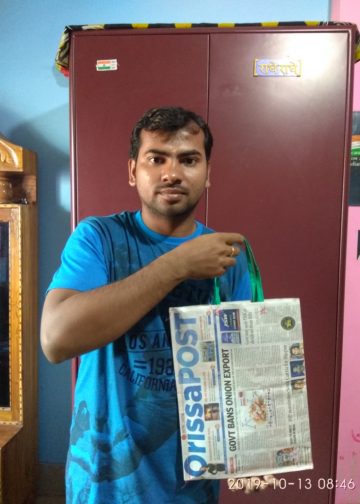
#MyPaperBagChallenge

Tapaswini Mallick

December 12, 2019
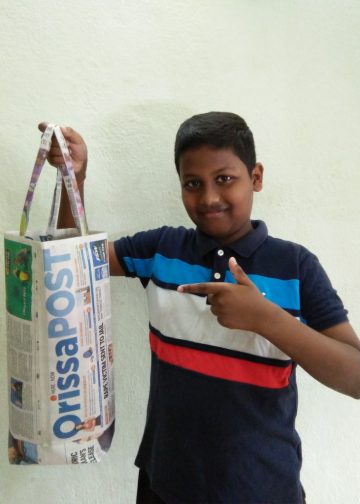
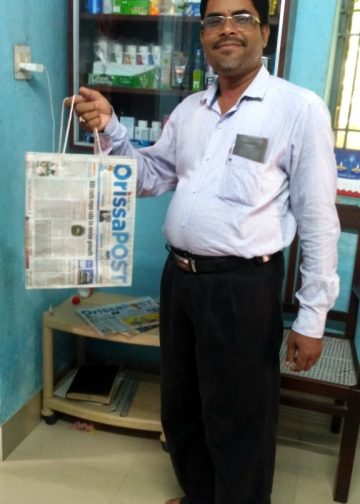
#MyPaperBagChallenge

Pratik Kumar Ghibela

December 12, 2019
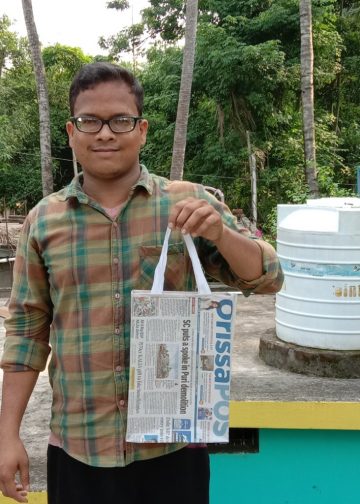
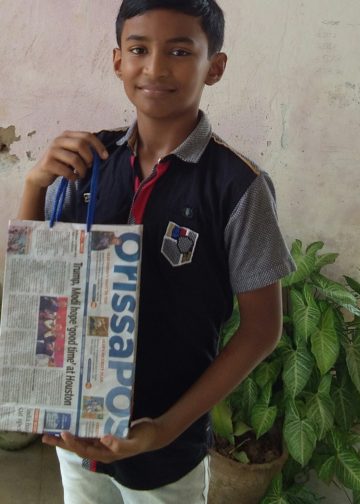
#MyPaperBagChallenge

Archit Mohapatra

December 12, 2019
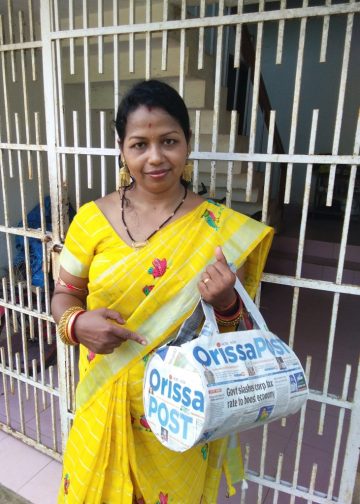
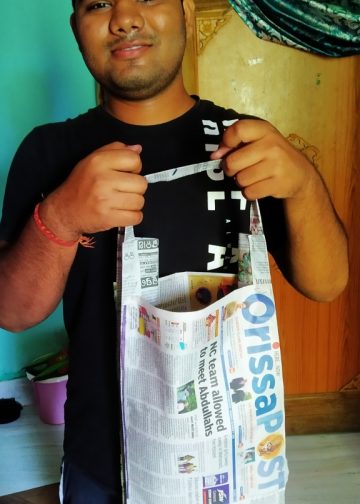
#MyPaperBagChallenge

Jyotshna Mayee Pattnaik

December 12, 2019
#MyPaperBagChallenge

Priyabrata Mohanty

December 12, 2019
#MyPaperBagChallenge

Subhajyoti Mohanty

December 12, 2019
#MyPaperBagChallenge

Subhajyoti Mohanty

December 12, 2019
#MyPaperBagChallenge

Nishikant Rout

December 12, 2019
#MyPaperBagChallenge

Sibarama Khotei

December 12, 2019
#MyPaperBagChallenge

Pragyan Priyambada

December 12, 2019
#MyPaperBagChallenge

Shreyanshu Bal

December 12, 2019
#MyPaperBagChallenge

Sipra Mishra

December 12, 2019
#MyPaperBagChallenge

Anup Mahapatra

December 12, 2019
#MyPaperBagChallenge

Manas Samanta

December 12, 2019
#MyPaperBagChallenge

Pratyasharani Ghibela

December 12, 2019
#MyPaperBagChallenge

Aishwarya Ranjan Mohanty

December 12, 2019
#MyPaperBagChallenge

Rajashree Manasa Mohanty

December 12, 2019
#MyPaperBagChallenge

Saishree Satyarupa

December 12, 2019
#MyPaperBagChallenge

Sisirkumar Maharana

December 12, 2019
#MyPaperBagChallenge

Lopali Pattnaik

December 12, 2019
#MyPaperBagChallenge

Amritansh Mishra

December 12, 2019
#MyPaperBagChallenge

Pratik Kumar

December 12, 2019
#MyPaperBagChallenge

Debasis Mohanty

December 12, 2019
#MyPaperBagChallenge

Chinmay Kumar Routray

December 12, 2019
#MyPaperBagChallenge

Narendra Kumar

December 12, 2019
#MyPaperBagChallenge

Ramakanta Sahoo

December 12, 2019
#MyPaperBagChallenge

Swarit Praharaj

December 12, 2019
#MyPaperBagChallenge

Archana Parida

December 12, 2019
#MyPaperBagChallenge

Surya Sidhant Rath

December 12, 2019
?????????????????????????????????????????????????????????????????????????????????????????????????????????????????????????????????
#MyPaperBagChallenge

Dibya Ranjan Das

December 12, 2019

Archives

Editorial

New Axis Powers

January 7, 2026

Appeasement or tacit approval of invasion and capture of foreign land helped the rise of Adolf Hitler and the formation...

Read moreDetails

New Divide

Rajnath Singh
January 6, 2026

Union Defence Minister Rajnath Singh recently, at a gathering at Udaipur’s Bhupal Nobles’ University, sought to brand the ‘educated’ citizens...

Read moreDetails

Only Energy

Venezuela
January 5, 2026

It was a moment of geopolitical déjà vu. On the same calendar day, separated by thirty-six years, United States forces...

Read moreDetails

Dragon Dominance

Aakar Patel
January 4, 2026

By Aakar Patel One of the more interesting things to look forward to in 2026 is the rivalry between the...

Read moreDetails
  • Home
  • State
  • Metro
  • National
  • International
  • Business
  • Editorial
  • Opinion
  • Sports
  • About Us
  • Advertise
  • Contact Us
  • Jobs
Developed By Ratna Technology

© 2025 All rights Reserved by OrissaPOST

  • News in Odia
  • Orissa POST Epaper
  • Video
  • Home
  • Trending
  • Metro
  • State
  • Odisha Special
  • National
  • International
  • Sports
  • Business
  • Editorial
  • Entertainment
  • Horoscope
  • Careers
  • Feature
  • Today’s Pic
  • Opinion
  • Sci-Tech
  • About Us
  • Contact Us
  • Jobs

© 2025 All rights Reserved by OrissaPOST

    • News in Odia
    • Orissa POST Epaper
    • Video
    • Home
    • Trending
    • Metro
    • State
    • Odisha Special
    • National
    • International
    • Sports
    • Business
    • Editorial
    • Entertainment
    • Horoscope
    • Careers
    • Feature
    • Today’s Pic
    • Opinion
    • Sci-Tech
    • About Us
    • Contact Us
    • Jobs

    © 2025 All rights Reserved by OrissaPOST