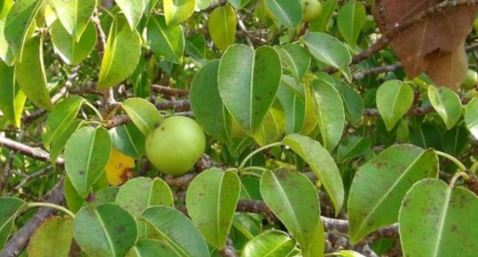
Nature is full of contrasts. While it offers beauty and life, it also hides dangers in unexpected places. One such example is the manchineel tree, often called “Tree of Death” a plant that looks harmless but is considered one of the world’s most poisonous trees.
The tree gets its name from Spanish word manzanilla, meaning “little apple,” because its fruit resembles a small apple. Found across the Caribbean, Florida, Bahamas, Central America and northern South America, the tree grows between 15 and 50 feet tall and thrives along coastlines.

What makes it so dangerous is that every part of the tree, bark, leaves, sap and fruit, contains toxic compounds. Its milky sap can cause severe skin irritation, blistering, itching and even breathing problems. Experts also warn against standing beneath the tree during rain, as water dripping from its leaves can carry the poisonous sap. Even smoke from burning its wood may irritate eyes and, in extreme cases, cause temporary blindness.
The fruit, sometimes called “little apple of death,” may taste sweet at first but quickly triggers an intense burning sensation in the mouth and throat, making swallowing difficult. In severe cases, it can lead to vomiting, bleeding and serious digestive damage.
Also Read : Watch viral video: Driver gives cop an unexpected ‘cash withdrawal’
Despite its fearsome reputation, manchineel plays an important ecological role. Its extensive root system helps stabilise coastal soil and prevents erosion, while some animals, including iguanas, can safely consume its fruit and even nest in its branches.
Manchineel is a reminder that nature’s most ordinary-looking creations can be both dangerous and indispensable, demanding equal measures of curiosity and caution.
Orissa POST – Odisha’s No.1 English Daily