
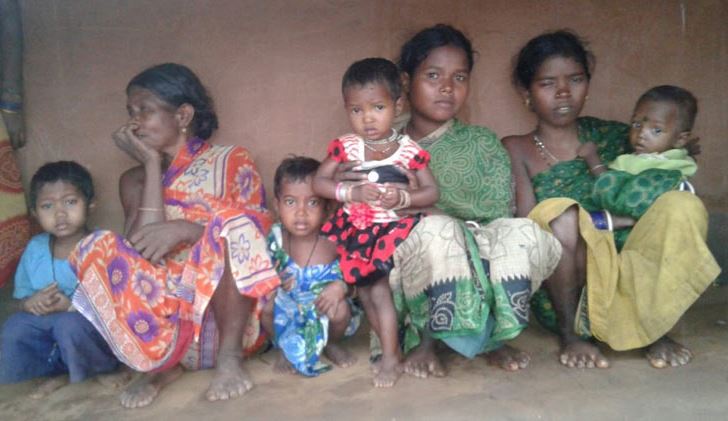
Bhubaneswar: Odisha has recorded a disturbing rise in wasting and underweight among children below five years, despite an overall improvement in stunting, according to the NFHS-5 and NFHS-6 comparison.
The proportion of under-five children suffering from wasting rose from 18.1 per cent in NFHS-5 to 22.1 per cent in NFHS-6, a four percentage-point increase, with 22 of the 30 districts reporting a deterioration.
Malkangiri saw the sharpest rise, from 19.3 per cent to 30.7 per cent. Wasting levels were particularly high in Mayurbhanj (33 per cent), Kendujhar (31.6 per cent) and Malkangiri (30.7 per cent).
The underweight indicator also worsened, rising from 29.7 per cent to 31.6 per cent statewide.
Seventeen districts recorded an increase, with Baleshwar registering the steepest rise from 22.6 per cent to 33.7 per cent.
Rayagada (46.8 per cent), Malkangiri (46.1 per cent), Kendujhar (45.2 per cent), Mayurbhanj (44.3 per cent) and Koraput (42.7 per cent) reported the highest proportions of underweight children.
The rise in wasting is particularly concerning as it indicates acute undernutrition requiring early detection and treatment.
At the same time, severe wasting showed a marginal improvement, declining from 6.1 per cent to 5.8 per cent, though the trend varied sharply across districts.
The nutritional picture is therefore mixed. Stunting declined from 31 per cent to 26.8 per cent, with 24 districts recording improvement.
However, Rayagada (47.2 per cent), Nuapada (43.1 per cent), Koraput (38.7 per cent), Malkangiri (37.3 per cent) and Balangir (36.4 per cent) continued to report high stunting levels.
Moreover, the findings point to substantial district-level disparities and underline the need for targeted nutrition interventions, particularly in areas witnessing high and rising levels of wasting and underweight.