
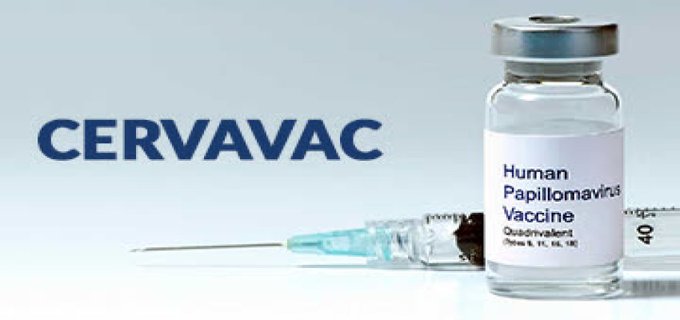
New Delhi: In a major step towards eliminating preventable cancers among women, the Union government will soon launch a nationwide human papillomavirus (HPV) vaccination programme targeting girls aged 14 years, official sources said Tuesday.
According to sources, the programme will use a single-shot Gardasil, a quadrivalent HPV vaccine, that provides protection against HPV types 16 and 18, which cause cervical cancer, as well as types 6 and 11.
The drive would be a special vaccination campaign and not under the government’s Universal Immunisation Programme. It is in line with the World Health Organisation recommendations, which identify HPV vaccination as a central pillar of the Global Strategy to Eliminate Cervical Cancer.
“Strong global and Indian scientific evidence confirms that a single dose provides robust and durable protection when administered to girls in the recommended age group,” an official source said.
The nationwide programme will target girls aged 14 years, an age at which the HPV vaccine offers maximum preventive benefit, well before potential exposure to the virus.
In the open market, quadrivalent Gardasil-4 is a two-dose vaccine — each costing Rs 3,927 — for girls below 15 years. For those above 15 years, three doses of the vaccine are required. Gardasil-4 vaccine is manufactured by MSD India.
“Vaccination under the national programme will be voluntary and free of cost, ensuring equitable access across socio-economic groups. By prioritising prevention at the right age, the programme is expected to provide lifelong protection and significantly reduce the future burden of cervical cancer in the country,” the source said.
The vaccine has an excellent safety record, supported by more than 500 million doses administered globally since its introduction in 2006. Widespread vaccination has led to substantial reductions in HPV infection, precancerous lesions, and cervical cancer incidence in several countries.
Once the vaccination programme is launched, India will join 160 countries that have introduced HPV vaccination in their national immunisation schedules. According to the source, over 90 countries are implementing single-dose HPV vaccination schedules, the source said.
HPV vaccines are among the most extensively studied vaccines worldwide, with evidence demonstrating 93 to 100 per cent effectiveness in preventing cervical cancer caused by vaccine-covered HPV types.
“The upcoming nationwide rollout (of the vaccination programme) is a significant milestone towards achieving the vision of ‘Swastha Nari’, ensuring that prevention, protection, and equity form the foundation of women’s healthcare in the country,” an official source said.
According to data, cervical cancer remains the second most common cancer among women in India, with nearly 80,000 new cases and over 42,000 deaths reported annually.
Scientific evidence establishes that almost all cases of cervical cancer are caused by persistent infection with high-risk types of Human Papillomavirus (HPV), particularly HPV types 16 and 18, which together account for more than 80 per cent of cervical cancer cases in India.
Despite being largely preventable through vaccination and early screening, cervical cancer continues to impose a heavy burden on women and families.
According to sources, the forthcoming vaccination programme directly addresses this challenge by preventing HPV infection before it can progress to cancer. The drive will be conducted at designated government health facilities, including Ayushman Arogya Mandirs (Primary Health Centres).
All vaccination sites will be linked to 24/7 government health facilities, ensuring immediate medical support and reinforcing safety and parental confidence.
To ensure uninterrupted availability and uncompromised quality, the government has secured HPV vaccine supplies through a transparent, globally supported procurement mechanism, another official source said.
Under India’s partnership with Gavi – The Vaccine Alliance, high-quality Gardasil vaccines — approved by India’s drug regulator and widely used internationally — have been made available for the national programme.
“Parents and guardians across the country should come forward and ensure that their 14-year-old daughters are vaccinated against HPV once the programme is rolled out,” the source said.