Mark Cliffe
Many governments, aiming to foster a green and inclusive post-pandemic recovery, have embraced the slogan “Build Back Better.” So far, policymakers have focused on increasing public spending in ways that address climate and environmental challenges while also creating jobs for the disadvantaged. But fiscal conservatives worry that the rising tide of red ink will drown economies in debt and lead to a financial-market backlash.
Also Read


With the pandemic not yet over, politicians are unsurprisingly loath to dampen spirits further with talk of tax increases. But the socially sustainable shift that they profess to seek will require revenue reforms.
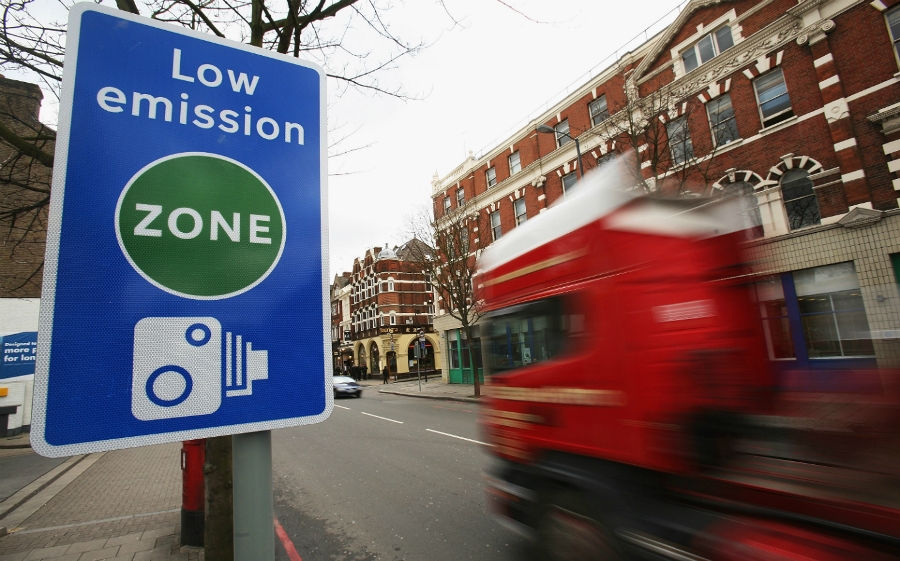
For now, the current tax debate is more about the mix of taxes than their level. It’s about smarter rather than higher taxes. The key here is to shift from taxing labour to taxing the use of resources. Policymakers should therefore consider introducing progressive consumer taxes on resource-intensive goods.
One efficient way to mitigate global warming would be to increase the price of carbon dioxide emissions by imposing carbon taxes or limiting the supply of tradable emissions permits, while phasing out long-standing fossil-fuel subsidies. This will be much discussed in the run-up to the United Nations’ COP26 climate summit in Glasgow in November.
But the broader environmental and social challenges confronting the “build back better” agenda go beyond the need to accelerate the switch from fossil fuels to renewable energy. This is where green consumer taxes come in.
Although carbon pricing would feed through supply chains to push up the prices of resource-intensive goods, the impact on production, usage, and disposal of non-energy resources would be muted and indirect. From a consumer perspective, CO2 emissions are an invisible enemy. Direct consumer taxes that are clearly linked to the harms related to the goods people are buying, using, and dumping would be more transparent and understandable.
Relating green taxes to the weight and size of goods could draw a clearer link with non-renewable resource use, and would help to shift social norms. People using bigger cars or living in bigger homes would thus pay more, making smaller options more attractive. This would also encourage producers to innovate, adopt less resource-intensive “circular” methods, and offer services allowing consumers to share rather than own assets.
Naturally, like any tax increase, these higher goods taxes would face strong opposition. But the rationale for the taxes would be clear and, crucially, fair. And their progressive nature implies that the burden would be borne disproportionately by the higher-income households that consume larger, resource-intensive goods.
According to one estimate, in 2015 the richest 10% of the world’s population were responsible for 52% of cumulative CO2 emissions, with the top 1% alone accounting for 15%. Heavily taxing the materials and energy they consume could be sold to the rich as a more palatable option than higher income or wealth taxes.
The pandemic and the associated lockdowns have given us a sense of the dangers of excessive consumption and mobility. Although people will drop some of their new forced habits once the pandemic is over, many will recognise that their happiness and well-being are better served by interacting with others than by accumulating more stuff.
An even more powerful way for governments to secure support for new consumer taxes would be to strike a “Green Grand Bargain” with the public to use the proceeds to accelerate the Build Back Better agenda. Revenue from such taxes could, for example, finance a decrease in taxes on labour, particularly for the lower paid. This would make the package doubly progressive.
One option would be a “carbon dividend,” whereby households would receive a flat-rate income financed by the green tax proceeds. This would disproportionately benefit poorer households.
Another possibility would be to use the new revenue to cut taxes or increase subsidies for services and green products. Pandemic lockdowns have severely damaged local businesses and services, particularly in the restaurant, leisure, and hospitality sectors.
In a similar vein, governments could use some of the tax proceeds to fund green investments, including by supporting households investing in electric vehicles (especially small ones) and home energy systems. Funding could also be directed to business and government investment in necessary infrastructure and research and development.
Moreover, fiscal policy in the world’s leading economies remains expansionary for the time being. This means that green consumption taxes could be phased in over a number of years, with the spending of the proceeds potentially front-loaded as a down payment on the Green Grand Bargain.
This would add to near-term government deficits, but help to kick-start a more sustainable recovery. With politicians more focused than ever on addressing the needs of people and the planet, the time is right for a more ambitious agenda to green the tax system.
The writer is a former chief economist of the ING Group. ©Project Syndicate