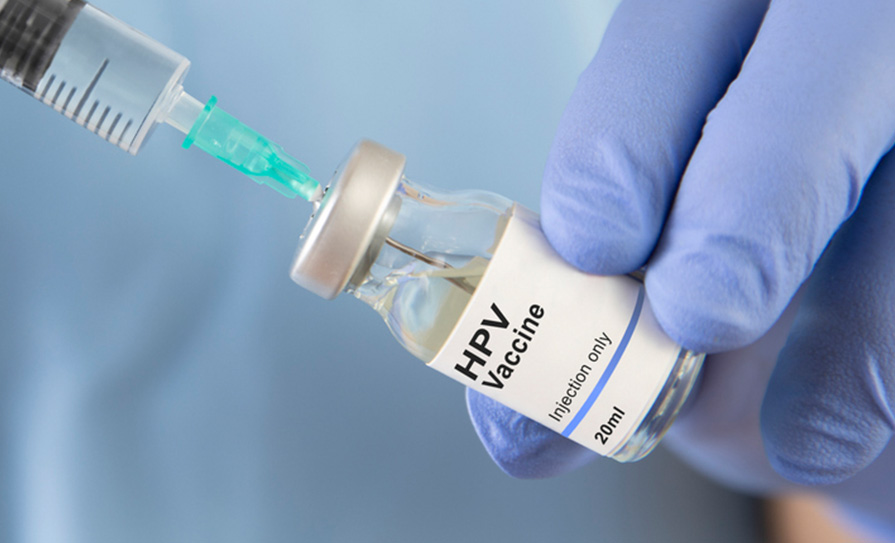
New Delhi/Bhubaneswar: Odisha has vaccinated 74.90 per cent of its identified target population of 14-year-old girls under the nationwide human papillomavirus (HPV) vaccination campaign launched by Prime Minister Narendra Modi in February this year, according to data released by the Ministry of Health and Family Welfare (MoH&FW) Saturday.
According to the ministry, India has administered more than one crore doses of the HPV vaccine to 14-year-old girls under the campaign, covering nearly 87 per cent of the identified annual target.


The campaign provides free, voluntary, single-dose vaccination to 14-year-old girls at designated government health facilities, with parental consent.
The annual target cohort comprises around 1.2 crore girls, based on the Registrar General of India’s 2021 population estimates. Six states – Gujarat, Uttar Pradesh, Andhra Pradesh, Mizoram, Madhya Pradesh and Bihar – have achieved 100 per cent coverage of their identified target populations, the ministry said.
Among the other states, Assam has recorded 95.63 per cent coverage, followed by Telangana (95.28 per cent), Karnataka (93.16 per cent) and Uttarakhand (90.17 per cent).
Chhattisgarh and Rajasthan have crossed the 80 per cent mark, recording coverage of 86.21 per cent and 85.23 per cent, respectively.
Kerala has recorded 77.02 per cent coverage, Tamil Nadu 76.12 per cent, Odisha 74.90 per cent and the Union Territory of Dadra and Nagar Haveli and Daman and Diu 72.99 per cent.
In absolute numbers, Uttar Pradesh leads with more than 29.33 lakh girls vaccinated, followed by Bihar with over 13.70 lakh and Gujarat with more than 7.75 lakh, according to the ministry.
The campaign has also focused on community engagement and the dissemination of science-based information on HPV vaccination.
Healthcare professionals, including paediatricians, gynaecologists and specialists from institutions such as AIIMS, have helped address concerns about vaccine safety and effectiveness.
HPV vaccination is considered an effective preventive intervention against infections caused by high-risk types of human papillomavirus, which are responsible for the vast majority of cervical cancer cases.
More than 800 million doses of HPV vaccines have been administered globally.
Nearly two decades of scientific research and real-world experience have demonstrated their effectiveness in protecting against vaccine-targeted HPV infections and associated precancerous conditions, the ministry said