
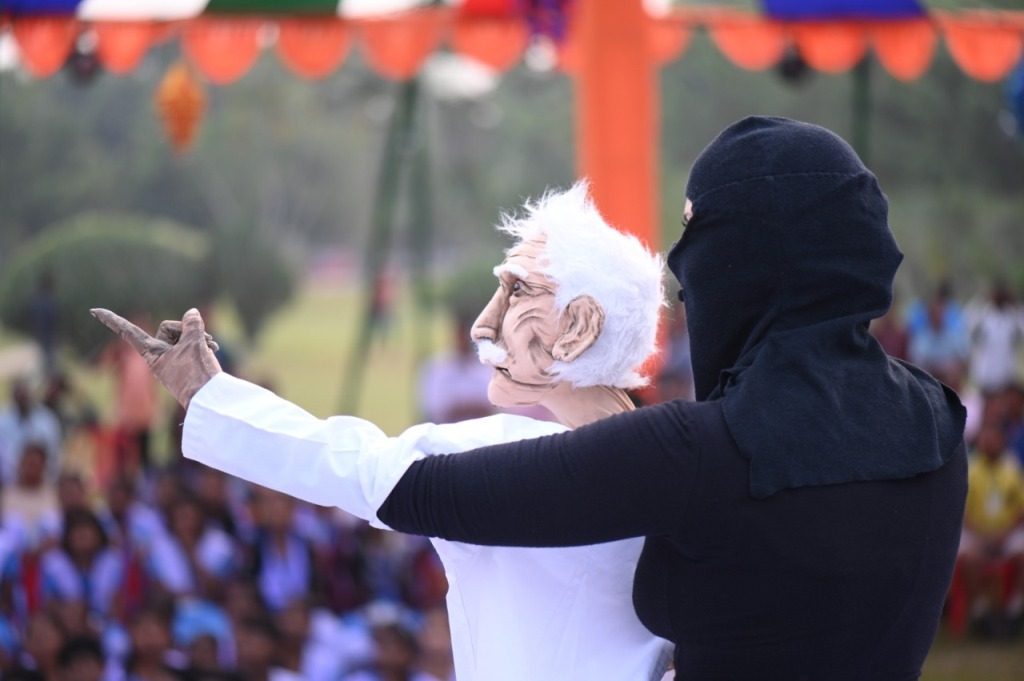
Sabrina Anastasio Arusam, a renowned French puppeteer who resides in India, had kick started her career in the theatre performing in classical dramas. Gravitating towards puppetry in the later stages, she plied her trade with several puppet companies (Cie Arketal, Ezéquiel Garcia Romeu, Cie La Main Verte). She was instrumental in creating a Franco-Indian artistic project Puppet Swing in collaboration with Kalasetu France and a show for children based on Gandhi’s philosophy of Ahimsa. She was in the city for her performance in BhuFeSto, a storytelling session under the aegis of .Fest. In a tête-à-tête with Arindam Ganguly of Orissa Post, she threw light on her undeniable talent and connects with India. Excerpts…
What inspired you to pursue puppetry professionally?
I started my career in the theatres where I used to do comedy, improvisation and clown acts among others. However, I started facing a lot of hatred and misogyny in this line of work. This prompted me to explore another art form where I could show my true talent. Puppetry fascinated me from the start. I was lucky enough to be trained by some of the prominent names in the industry like Greta Bruggman and Sylvie Osman of Arketal Company, a puppet maker and training company in France.
What draws you to India? Do you find any similarity between India and your home country?
After attending a Kathputli master class in Udaipur with Lala Bhaat in 2011, I developed a strong interest in Indian culture and arts. I followed that interest by conducting more shows in the country. I also learnt Odissi from my Guru Meera das from Odisha. India and France are two countries with very distinctive cultures. I feel the passion for one’s job is quite similar in both the countries.
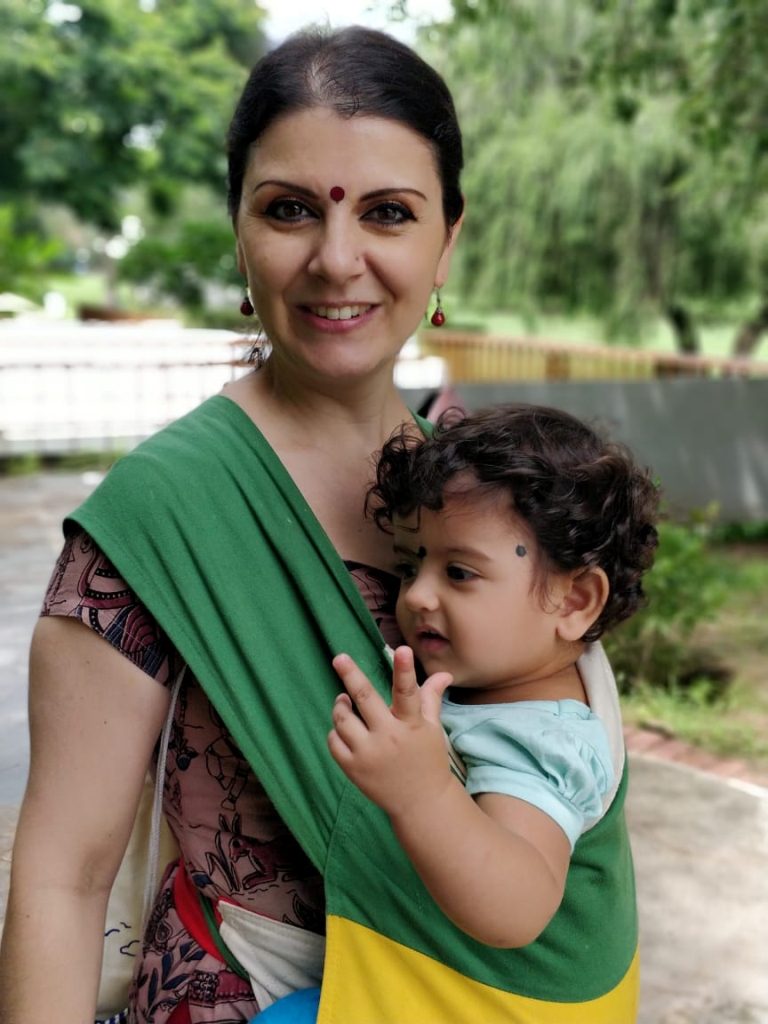

How is puppetry different in these two countries?
Puppetry, one of the oldest forms of storytelling, is undergoing a reinvention as puppeteers experiment with techniques to appeal to a larger audience. As per my experience in both these countries, I can say that there is a traditional approach towards puppetry as there is a lack of usage of contemporary forms. Few artistes in the country incorporate modern style into puppetry. Traditional puppetry would not survive the next generation if there is no innovation in this ancient art form. Puppet shows in France are in the stage of advancement as the puppeteers of the country are exploring new techniques to be incorporated into this art. Innovation is critical for the survival of Indian puppetry.
Throw light on some of the techniques that you use in your shows to make it unique.
We had started a show ‘Puppet Swing’ to stand out among other such shows. We use a musical approach in this show, where we present the story accompanied by Hindustani music. I also improvised at the spot by observing the audience and interact with them.
How was your experience at BhuFeSto?
Odisha holds a special place in my heart as I learnt Odissi dance from Guru Meera Das here. I had wonderful experience during my stay here in 2015. I had a short and intense session at BhuFeSto. The session was conducted in excellent fashion. The whole team was very professional and the audience welcomed me very warmly. I am glad to have participated in the festival.