Beirut: Lebanon and Israel are set to hold the first direct diplomatic talks in decades Tuesday in Washington, following more than a month of war between Israel and the Hezbollah militant group that has rocked the tiny Mediterranean country.
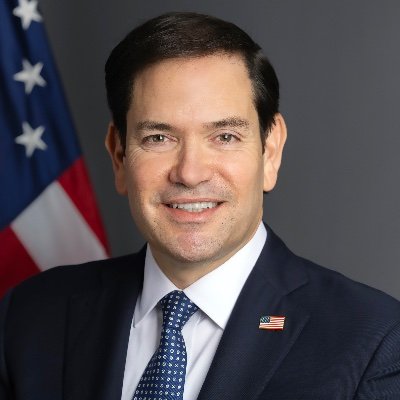
US Secretary of State Marco Rubio will take part in the talks in Washington with Israeli Ambassador to the US Yechiel Leiter and Lebanese Ambassador to the US Nada Hamadeh Moawad.
Hezbollah opposes the direct talks and will not be represented. Wafiq Safa, a high-ranking member of the militant group’s political council, told The Associated Press that it will not abide by any agreements made in the talks.
At least 2,089 people have been killed in Israeli strikes in Lebanon, the Health Ministry said, among them 252 women, 166 children and 88 medical workers, while 6,762 others were wounded. More than 1 million people are displaced.
The Lebanese government hopes the talks will pave the way to an end to the war. While Iran has set ending the wars in Lebanon and the region as a condition for talks with the United States, Lebanon insists on representing itself.
Iran-backed Hezbollah and other critics are sceptical of such direct talks, maintaining that Lebanon’s government in Beirut lacks leverage and that it should instead back the position of Iran, Hezbollah’s key ally and patron.
Hezbollah enjoys wide influence in Beirut’s southern suburbs, as well as large swaths of the country’s southern and eastern provinces. Hezbollah-allied politicians hold two Cabinet minister positions, though the group’s ties have soured with Lebanon’s top political authorities, who have been critical of Hezbollah’s decision to enter the war last month and who have since criminalised the group’s military activities in the country.
The Israeli military has continued an invasion into southern Lebanon, which some Israeli officials have said aims to create a “security zone” from the border to the Litani River, some 30 kilometres (20 miles) to the north.
Israel’s defence minister says hundreds of thousands of people uprooted from southern Lebanon will not be allowed to return home until the area is demilitarised and Israel believes its northern communities are safe. Hezbollah, though weakened in its last war with Israel that ended in November 2024, still fires drones, rockets and artillery daily into northern Israel and on ground troops inside Lebanon.
The Israeli and Lebanese governments are meeting to discuss ways to ensure long-term security on Israel’s northern border and support for Lebanon seeking to take control of its territory and political future from Iran-backed Hezbollah, a US State Department official said. The official spoke on condition of anonymity because they were not authorised to comment publicly about the talks.
They will be the first talks between the two since 1993.
Lebanon’s top political authorities, critical of Hezbollah’s decision to fire rockets towards Israel March 2 in solidarity with Iran, quickly proposed direct talks in a bid to stop the escalation, hoping that Israel would not launch its ground invasion. Israel did not respond positively until last week, after it launched 100 strikes across the country, including in the heart of the Lebanese capital.
Beirut wants a truce as a prerequisite to talks, similar to Pakistan-brokered negotiations between the US and Iran.
“Israel’s destruction of Lebanese territories is not the solution, nor will it yield any results,” said Lebanese President Joseph Aoun on Monday, who came to power vowing to disarm non-state groups, including Hezbollah. “Diplomatic solutions have consistently proven to be the most effective means of resolving armed conflicts globally.”
Israel has ruled out a ceasefire.
Foreign Minister Gideon Saar, Tuesday, denied having disputes with Lebanon and said, “The problem is Hezbollah.”
“Hezbollah also has its financial roots; there are a lot of dimensions holding this organisation, practically keeping Lebanon under Iranian occupation,” Saar said.
Hezbollah and its supporters are critical of the direct talks, calling them a free concession to Israel unless there is first an end to the war and a pullout of Israeli troops from the country.
Hezbollah Secretary-General Naim Kassem delivered a fiery speech calling on Lebanon to cancel the talks. Hezbollah wants a return to the 2024 agreement under which talks were conducted indirectly with the US, France and the United Nations peacekeeping mission in southern Lebanon as mediators.
Orissa POST – Odisha’s No.1 English Daily